Wire rod coils are not usually traded individually; they are bought and sold in high tonnage and standard coil weights. This volume increases the total transaction value and makes the choice of payment method sensitive, even when the price per kilogram is low.
Why Tonnage Determines Risk
A several-ton load of wire rod coils, when purchased all at once and in cash, can tie up a significant portion of your liquidity until the goods are sold. This risk is directly related to turnover speed; a high-demand diameter such as ۶.۵ that you sell quickly is less risky to purchase in cash than a low-demand diameter.
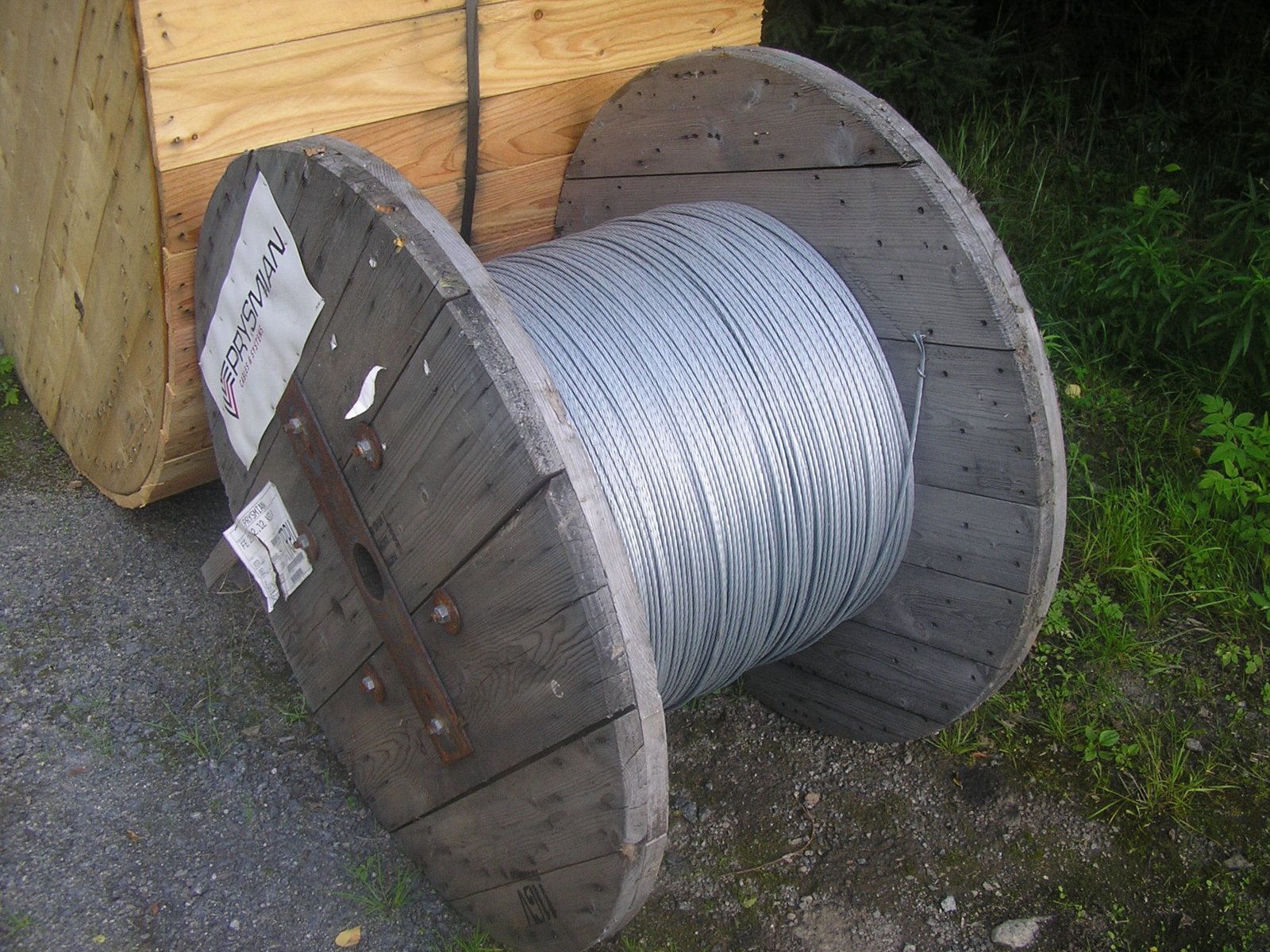
The larger the transaction tonnage, the more important the choice of payment method becomes.
Comparing Payment Methods
| Method | Advantage | Risk |
|---|
| Cash | Possibility of a discount; immediate ownership | Liquidity tied up for high tonnage until the load is sold |
| Post-dated check | Purchase without immediately tying up liquidity | The large transaction amount magnifies the impact of a bounced check |
| Credit for a regular customer | Smoother cash flow in recurring transactions | Requires a strong credit history due to the high tonnage |
Practical Approach
- For a bulk purchase, divide the load into several stages if possible.
- Coordinate the payment method with the sales speed of high-demand diameters.
- For a recurring customer or supplier with high tonnage, examine the credit history more carefully.
The main rule is always the same: the payment method must match your liquidity and turnover speed. For wire rod coils, this equation revolves more around tonnage.
Global Price Fluctuations Make the Decision More Complicated
The price of wire rod is sensitive to the global billet and dollar rates. If you obtain a post-dated check and the global price falls during the period before maturity, you have effectively sold the same goods at a higher price than the current market price; if the price rises, the opposite is true and it benefits you. For high-tonnage transactions, take this fluctuation into account when determining the check term and price margin, not just the counterparty's creditworthiness. The longer the check term, the greater this fluctuation risk becomes.

Reader comments
0 comments
No comments yet
Be the first to share your experience with this article.