
Article
Calculating the Price of Steel Pipes for a Project; Formula and Example Purchasing
Prices mentioned in this article were accurate as of 2026/09/26.
Article
Prices mentioned in this article were accurate as of 2026/09/26.
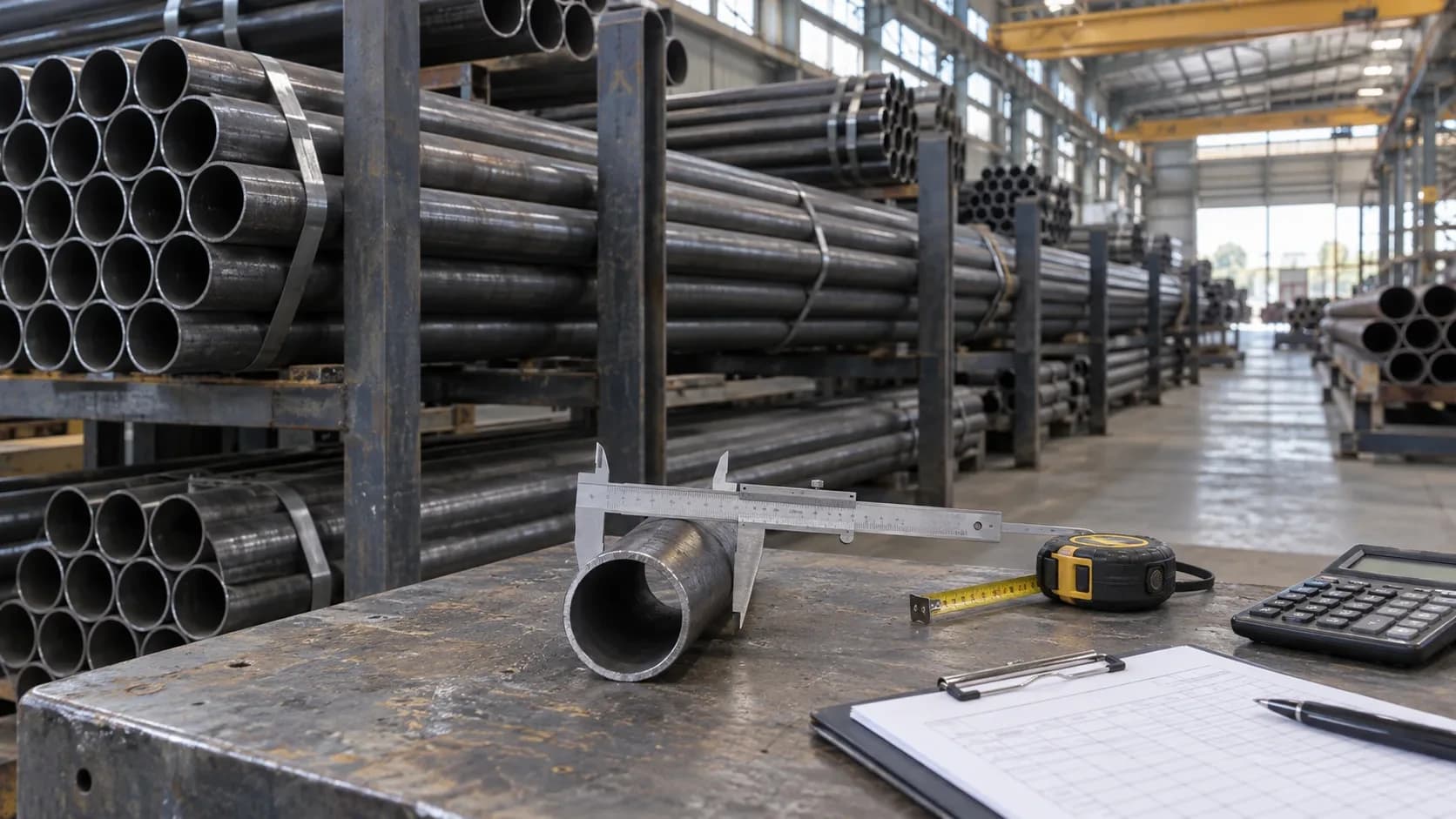
A guide to choosing between light and heavy pipe: how furniture, industrial, scaffolding, galvanized and Mannesmann (seamless) pipe differ in price, weight, standard and use.
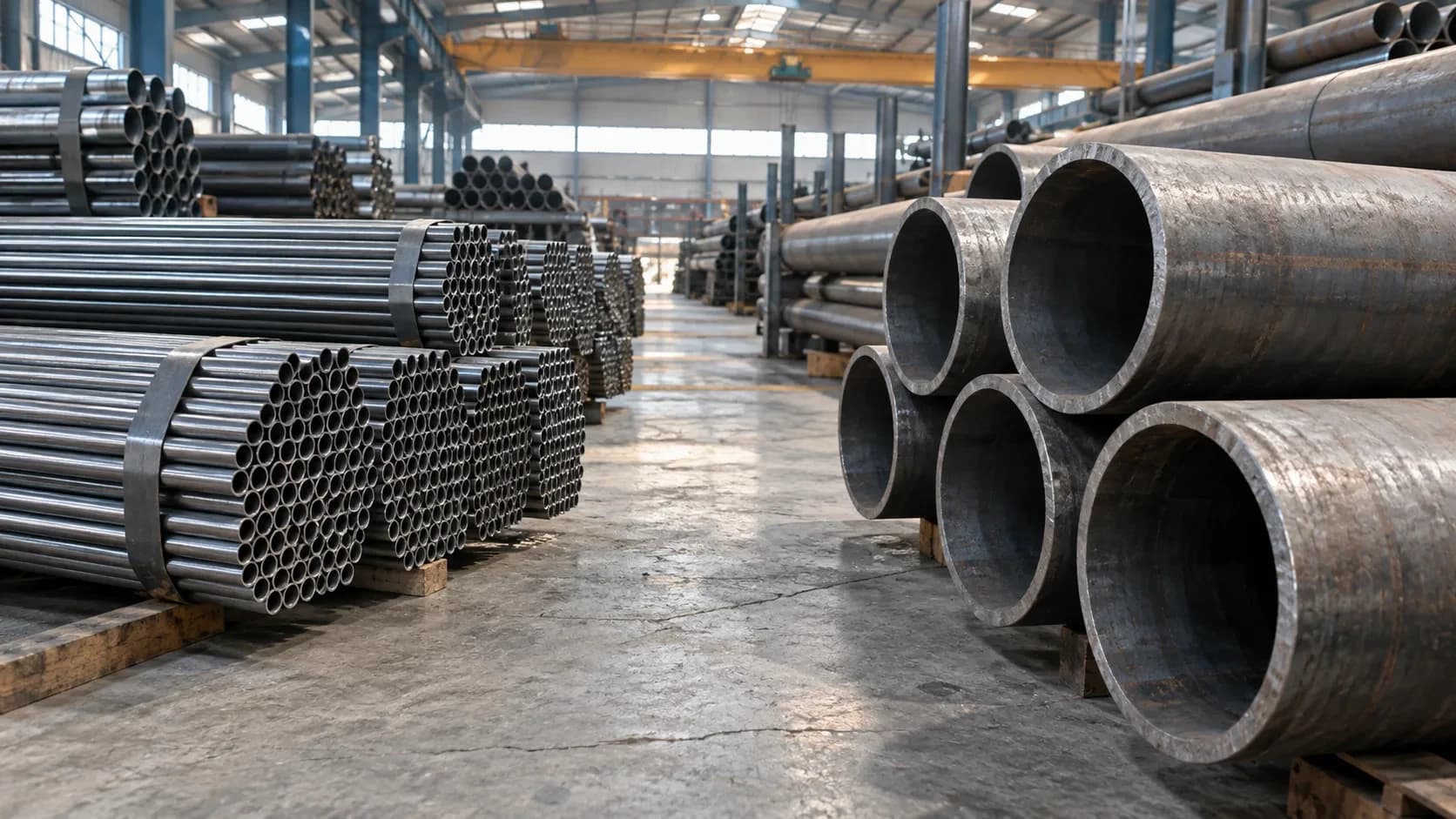
Compare steel pipe prices across mills using dated data, technical criteria, shipping cost and an inquiry checklist, to choose more precisely among the mills of the Iranian market.
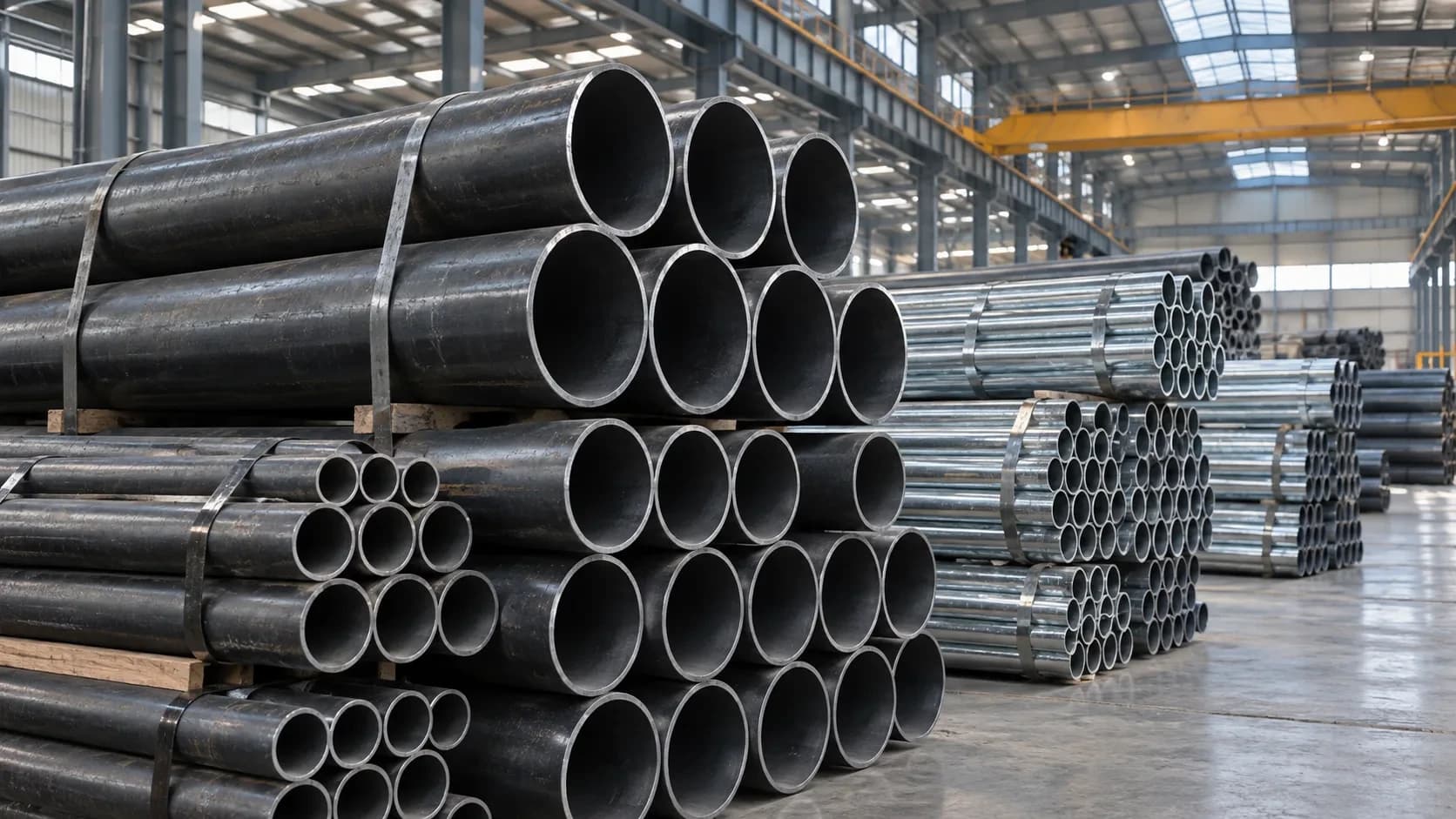
Is Iranian steel pipe better than imported? A real comparison of quality, mills, documents and cost using Ahantime market data, with a selection table and a buying checklist.
To calculate the price of steel pipes for a project, first determine the purchase quantity from the cutting list. If the sale is by kilogram, multiply the billable weight by the per-kilogram rate; then calculate any applicable discount, services, freight, unloading, and taxes.
Product price in weight-based sales = purchase quantity (meters) × weight per meter (kilograms) × per-kilogram rate
Supply cost to the project site = discounted product price + separate service and delivery costs + applicable taxes and duties
Your essential inputs are: pipe specifications, piece lengths, stock length, sales and currency unit, weight basis, and delivery destination. In the example in this article, purchasing ۵۳ six-meter lengths of ۲-inch Schedule ۴۰ pipe at an assumed rate costs approximately ۱۴۵٫۳۲ million tomans before tax. Below, you will see how this quantity and amount were obtained.
Reading path: product specifications ← cutting schedule ← purchase weight ← pricing unit ← delivery cost ← pro forma invoice review.
“۲-inch pipe” is not sufficient for an accurate inquiry. Two pipes with this name may have different thicknesses, weights, production methods, and prices. Extract this information from the drawing or purchase list:
| Information | What to write in the inquiry |
|---|---|
| Type and material | Welded or seamless, carbon or alloy steel, grade, and acceptable mill |
| Dimensions | Outside diameter and thickness; or nominal size, Schedule, and relevant standard |
| Quantity | Number of pieces, length of each piece, and available supply length |
| Services and documents | Cutting, threading, beveling, coating, insulation, testing, or required certificates |
| Purchase conditions | Price unit, weight basis, destination, delivery date, payment terms, and rate validity |
For galvanized pipe, also specify the coating requirements; for seamless pipe, the term “heavy” does not replace the Schedule and grade. Thickness and material must comply with the project requirements. A dimensional table or weight calculation alone does not determine the allowable pressure or suitability of the pipe. ASME B36.10 dimensional reference
If the stock length is ۶ meters, dividing the total length by ۶ gives only an initial minimum. The actual quantity depends on the piece lengths and whether they can be cut efficiently.
Suppose ۱۰ single-piece sections of ۳٫۱ meters are required. The total length is ۳۱ meters; however, ۶ lengths will not be enough. Only one ۳٫۱-meter piece can be obtained from each ۶-meter length. If splicing is not permitted, you must purchase ۱۰ lengths.
Therefore, review the cutting list before pricing: piece lengths, cutting width, pipe-end trimming, and usable remnants. Deduct warehouse inventory from the purchase requirement only when its material, dimensions, and length suit the project.
For a preliminary estimate, you can write:
Estimated purchase length = net length × (۱ + reserve factor)
Obtain this factor from the project conditions. There is no fixed percentage for all jobs; if waste has already been included in the cutting schedule, do not add the same waste again to the number of lengths.
For an uncoated round carbon-steel pipe, using an approximate density of ۷۸۵۰ kilograms per cubic meter:
Weight per meter (kilograms) = ۰٫۰۲۴۶۶ × (outside diameter − thickness) × thickness
Both diameter and thickness are in millimeters. The weight of each length is obtained by multiplying this number by the length. Formula by Benqiu, technical data from Alpha Steel Piping
For example, for an outside diameter of ۶۰٫۳ and a thickness of ۳٫۹۱ millimeters:
۰٫۰۲۴۶۶ × (۶۰٫۳ − ۳٫۹۱) × ۳٫۹۱ ≈ ۵٫۴۳۷ kilograms per meter
A ۶-meter length has a theoretical weight of approximately ۳۲٫۶۲۳ kilograms.
Check these two points here:
Ask the seller clearly: “Is settlement based on scale weight, theoretical weight, or the number of lengths?” This answer determines which quantity you multiply by the rate.
| Nominal size NPS | Outside diameter (millimeters) | Thickness (millimeters) | Calculated weight per meter (kilograms) |
|---|---|---|---|
| ۱ inch | ۳۳٫۴ | ۳٫۳۸ | ۲٫۵۰۲ |
| ۱٫۵ inch | ۴۸٫۳ | ۳٫۶۸ | ۴٫۰۴۹ |
| ۲ inch | ۶۰٫۳ | ۳٫۹۱ | ۵٫۴۳۷ |
| ۳ inch | ۸۸٫۹ | ۵٫۴۹ | ۱۱٫۲۹۲ |
| ۴ inch | ۱۱۴٫۳ | ۶٫۰۲ | ۱۶٫۰۷۵ |
The dimensions were taken from the Atlas Steels technical table, ۲۰۰۲ edition, first page, Schedule ۴۰ column; the weights are calculated in this article using the ۰٫۰۲۴۶۶ factor and rounded to three decimal places. The table’s theoretical weight is not a definitive settlement basis or proof of product quality. For purchasing, compare the dimensions with the standard stated in the project specifications and the Atlas product reference; this short table does not replace the contract standard.
If you have the inside diameter: outside diameter = inside diameter + twice the thickness. Do not substitute the inside diameter directly for the outside diameter in the formula above.
The formula for calculating the steel pipe price depends on the sales unit:
| Sales unit | Product price calculation |
|---|---|
| By kilogram | Billable weight × rate per kilogram |
| By meter | Billable length × rate per meter |
| By length | Number of lengths × rate per length |
| By ton | Billable weight in tons × rate per ton |
In weight-based sales, price per meter = weight per meter × per-kilogram rate and price per length = price per meter × length.
For comparison, you can divide a per-length rate by the weight of that same length; however, the agreed sales basis does not change. Convert a ton rate to a kilogram rate by dividing by ۱۰۰۰, and convert a rial amount to tomans by dividing by ۱۰. Write the currency next to every rate.
All rates and costs in this example are hypothetical; they are not current prices or a pipe-selection recommendation.
The net requirement of this educational project is ۳۰۰ meters: ۵۰ single-piece sections of ۵٫۹ meters and five one-meter sections. The available stock lengths are six meters. We assume a cutting width of three millimeters and total end trimming of ۲۰ millimeters per length.
| Required pieces | Cutting schedule | Number of lengths |
|---|---|---|
| ۵۰ pieces of ۵٫۹ meters | One piece from each length; consumption with cutting and end trimming, ۵٫۹۲۳ meters | ۵۰ |
| Five pieces of one meter | Five pieces from one length; consumption with cutting and end trimming, ۵٫۰۳۵ meters | ۱ |
| Reserve decided for this example | Two complete uncut lengths | ۲ |
| Total purchase | ۵۳ × ۶ = ۳۱۸ meters | ۵۳ |
Thus, ۵۱ lengths are purchased for this cutting list, plus two lengths for reserve. The ۱۸-meter difference between the purchase quantity and the net requirement is a combination of reserve, remnants, and cutting loss; it is not all “discarded waste.” This quantity is valid for the piece lengths and assumptions of this example only.
The outside diameter is ۶۰٫۳, the thickness is ۳٫۹۱ millimeters, and the assumed rate is ۸۰٬۰۰۰ tomans per kilogram. We assume settlement based on theoretical weight.
| Item | Hypothetical result or amount |
|---|---|
| Purchase | ۵۳ lengths; ۳۱۸ meters |
| Theoretical order weight | Approximately ۱۷۲۹٫۰۱۶ kilograms |
| Price per meter, product only | Approximately ۴۳۴٬۹۷۳ tomans |
| Product price | ۱۳۸٬۳۲۱٬۰۰۰ tomans |
| Freight | ۴٬۰۰۰٬۰۰۰ tomans |
| Unloading | ۱٬۰۰۰٬۰۰۰ tomans |
| Separate services | ۲٬۰۰۰٬۰۰۰ tomans |
| Total before taxes and duties | ۱۴۵٬۳۲۱٬۰۰۰ tomans |
Calculations were made using unrounded weights, and the product price and total costs were rounded to the nearest thousand tomans. Add tax according to the valid items and conditions of the same transaction. If it is already included in the rate, do not calculate it again.
In this example, the supply cost before tax is approximately ۴۵۷ thousand tomans per purchased meter and ۴۸۴٫۴ thousand tomans per meter of the project’s net requirement. When comparing budgets, specify which “meter” you mean.
On ۵ Mehr ۱۴۰۵, the pipe price page displayed a rate of ۱۳۷٬۲۷۳ tomans per kilogram, with an update date of ۴ Mehr ۱۴۰۵, for ۱۶-inch spiral pipe, ۶ thickness, Navard Lوله, and Neyzar coating. The same product page
If we assume a purchase quantity of ۱۰۰۰ kilograms for educational purposes:
۱۰۰۰ × ۱۳۷٬۲۷۳ = ۱۳۷٬۲۷۳٬۰۰۰ tomans product price, excluding tax and delivery costs
In the Ahantime cost calculator, selecting the “pipe” category, the product above, the “kilogram” unit, and disabling the value-added tax option produced the same amount. The length weight of this product was not registered in the tool; therefore, we did not convert an assumed number of lengths into kilograms.
This is an educational estimate using the site’s historical rate, not an executed purchase invoice. The quantity of ۱۰۰۰ kilograms is hypothetical, and the rate must be checked again for an order today. Add freight, services, discount, and tax according to the pro forma invoice for that order; with the settings above, the tool’s “total” amount was only the product amount.
A lower per-kilogram rate does not always produce a lower total invoice. For the same order weight, consider these two hypothetical offers:
| Seller | Rate per kilogram | Freight and unloading | Product and delivery total |
|---|---|---|---|
| A | ۸۰٬۰۰۰ tomans | ۵ million tomans | Approximately ۱۴۳٫۳۲ million tomans |
| B | ۷۹٬۰۰۰ tomans | ۸ million tomans | Approximately ۱۴۴٫۵۹ million tomans |
Assuming identical specifications and other costs, offer B costs approximately ۱٫۲۷ million tomans more. For a real comparison, also make quality, documents, delivery time, and payment terms identical.
Add cutting, threading, beveling, packaging, inspection, or coating costs only if they are charged separately. For insulated pipe, also specify whether the rate includes the base pipe, insulation, and protective layer.
Suppose ۱۲ six-meter lengths of ۱٫۵-inch Schedule ۴۰ carbon pipe are added to the order above. The quantity for this line comes independently from its cutting list. Settlement for both lines is based on theoretical weight, and the rates are for educational purposes.
| Line | Purchase quantity | Weight per meter | Order weight | Rate per kilogram (tomans) | Product price (tomans) |
|---|---|---|---|---|---|
| ۲ inch; ۶۰٫۳ × ۳٫۹۱ millimeters | ۳۱۸ meters | ۵٫۴۳۷ | ۱۷۲۹٫۰۱۶ kilograms | ۸۰٬۰۰۰ | ۱۳۸٬۳۲۱٬۰۰۰ |
| ۱٫۵ inch; ۴۸٫۳ × ۳٫۶۸ millimeters | ۷۲ meters | ۴٫۰۴۹ | ۲۹۱٫۵۴۳ kilograms | ۷۸٬۰۰۰ | ۲۲٬۷۴۰٬۰۰۰ |
| Product total | ۳۹۰ meters | — | ۲۰۲۰٫۵۵۹ kilograms | — |
The total was calculated from unrounded figures; therefore, it may differ from the sum of the line items rounded to the nearest thousand tomans. If the total service and delivery cost for this combined order is seven million tomans, add it once: ۱۶۸٬۰۶۲٬۰۰۰ tomans before tax. Do not apply the freight amount for a single-size order to the new order without seller confirmation.
۱. Exact product specifications and deliverable quantity or amount; ۲. Currency and sales unit, weight basis, and discount; ۳. Services included in the rate and separate costs, together with tax status; ۴. Responsibility for loading, freight, unloading, and the exact delivery location; ۵. Availability, rate validity, delivery date, and settlement terms.
Complete this text with your project information:
Please provide a pro forma invoice for [type, material/grade, standard, and acceptable mill], with dimensions [outside diameter and thickness or NPS and Schedule] and quantity [number of lengths × length]. Specify separately the currency and sales unit, weight settlement basis, discount, services and documents, tax, party responsible for loading/freight/unloading to [destination], delivery date, rate validity, and payment terms.
For budget control, repeat this line for each product: specifications ← number and length of lengths ← invoice weight basis ← unit and rate ← discount ← product amount. Add shared costs after totaling the line items.
| Your need | Tool and method of use |
|---|---|
| Converting dimensions and number of lengths into theoretical weight | Pipe weight calculator: select “pipe” and enter outside diameter, thickness, length, and quantity. |
| Pricing a specified quantity of a product | Purchase cost calculator: select the exact product, quantity unit, and value-added tax status; check services and delivery separately. |
| Preliminary estimate for construction steel or a shed | Project estimate: useful for an overall structural estimate; obtain the pipe quantity in this article from the drawing and cutting list. |
To recreate the ۳۰۰-meter example in the weight calculator, enter diameter ۶۰٫۳, thickness ۳٫۹۱, stock length ۶, and quantity ۵۳. In the tool review, the weight per length was displayed as ۳۲٫۶۲ and the order weight as ۱۷۲۹٫۰۲ kilograms; the apparent difference from the article table results from the number of displayed decimal places.
Take the rate for the same product from the pipe price page. None of these tools alone confirms your order’s cutting, documentation, or delivery costs; finalize the estimate with the final pro forma invoice.
The minimum based on length division is ۱۷ lengths, or ۱۰۲ meters. The final quantity is determined by the cutting list, cutting width, and whether splicing is permitted.
The table uses assumed dimensions and density; manufacturing tolerance, actual length, coating, and weighing method affect the delivered weight. Check the difference against the product standard and sales documents. Vehicle or packaging weight must be deducted from the billable weight according to the agreed basis.
For a weight-based purchase, change in product price = billable weight × change in per-kilogram rate. For this example’s weight of ۱۷۲۹٫۰۱۶ kilograms, a one-thousand-toman increase in the rate adds approximately ۱٫۷۲۹ million tomans to the product price; the effect of tax and other costs is separate.
At the same per-kilogram rate, lower weight reduces the product amount; however, only a product that meets the project’s approved specifications may be purchased. Reducing thickness requires technical approval.
No. For an execution budget, calculate fittings, valves, supports, installation, welding, equipment, and testing separately from the bill of quantities. Two projects with the same length may have different execution costs.
The cutting examples, seller comparison, and multi-size order are independent educational calculations in this guide; no actual purchase or technical reviewer’s approval is claimed for them. Calculations use unrounded figures, and the rounding approximation is stated next to each table. The weight formula is based on the annular cross-sectional area and carbon-steel density: factor = π × ۷۸۵۰ ÷ ۱٬۰۰۰٬۰۰۰ ≈ ۰٫۰۲۴۶۶. Dimensional sources, manufacturer formulas, and the sample public rate are linked in the relevant sections. The sample rate and the output of the two Ahantime tools were reviewed on ۵ Mehr ۱۴۰۵.
| ۱۶۱٬۰۶۲٬۰۰۰ |
Reader comments
0 comments
No comments yet
Be the first to share your experience with this article.