In flanges and fittings, a project order can include dozens of different items: slip-on and weld-neck flanges in various classes, elbows, tees, and reducers in different sizes and materials. This variety and the high number of items make correctly recording the invoice in the Taxpayers’ System one of the most accuracy-demanding parts of the process.
Four points to check on every invoice
| Item | Taxpayers’ System requirement | Why it is more sensitive here |
|---|
| Unique invoice ID | Unique code for each official invoice | The high value of a project order makes errors noticeable |
| Parties’ economic codes | Buyer’s and seller’s codes | Project transactions are more often with legal entities |
| Line-item product code | The correct code for each type, class, material, and size | The high number and variety of items make errors more likely |
| Exact specifications of each item | Type, class, material, size, standard | It must correspond exactly to the actual shipment |
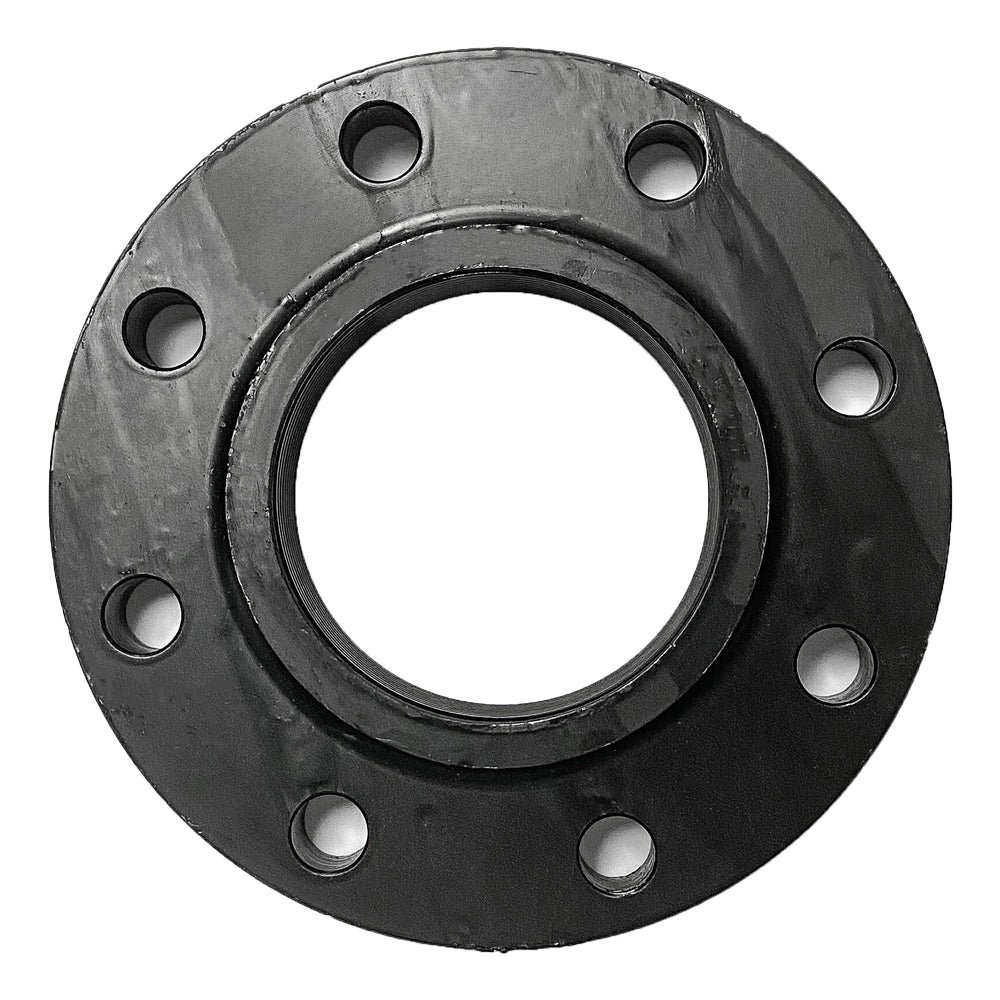
The high variety and number of flange and fitting items make correctly recording the product code in the Taxpayers’ System demanding in terms of accuracy.
Why an incorrect product code is more dangerous in a large order
In a project order with dozens of items, if the wrong class or material is recorded for several items, these discrepancies accumulate and become a significant figure in the quarterly VAT report. Unlike a single product, the volume of items here makes errors easier to occur and harder to find.
Practical steps before submitting the invoice
- Check each item separately against the product code in terms of type, class, material, and size.
- For long orders, compare the entire list with the actual shipment once.
- Reconfirm the buyer’s economic code, especially for project transactions.
- Register the invoice in the Taxpayers’ System within the prescribed time period.
This accuracy prevents costly tax follow-ups and accumulated discrepancies for an order that is both high-value and contains a large number of items.
An additional point for multi-item orders
For long lists, recording each item’s product code immediately after determining it, before moving on to the next item, greatly reduces the risk of forgetting or switching rows compared with reviewing the entire list together at the end.



Reader comments
0 comments
No comments yet
Be the first to share your experience with this article.