
Each stainless steel grade has a different composition, resistance, and price, and is suitable for a specific application. Let’s become familiar with the differences between 304, 316, 430, and 201 for making the right sale to customers.
The customer says they want stainless steel, but stainless steel is not one single thing; it is a family of grades, each made for a different job. Selling the wrong grade either creates cost issues for the customer or causes their product to fail sooner than expected. Knowing these grades is the most important skill for a stainless steel salesperson.
Four Main Grades on the Market
304 stainless steel is the most common grade, with approximately 18 percent chromium and 8 percent nickel. It is nonmagnetic and has good corrosion resistance. 316 stainless steel is the same as 304, plus approximately 2 percent molybdenum, which increases its resistance in chloride environments such as seawater. 430 stainless steel contains chromium but no nickel; it is ferritic and magnetic, and is less expensive. 201 stainless steel is also an economical grade with low nickel and high manganese.
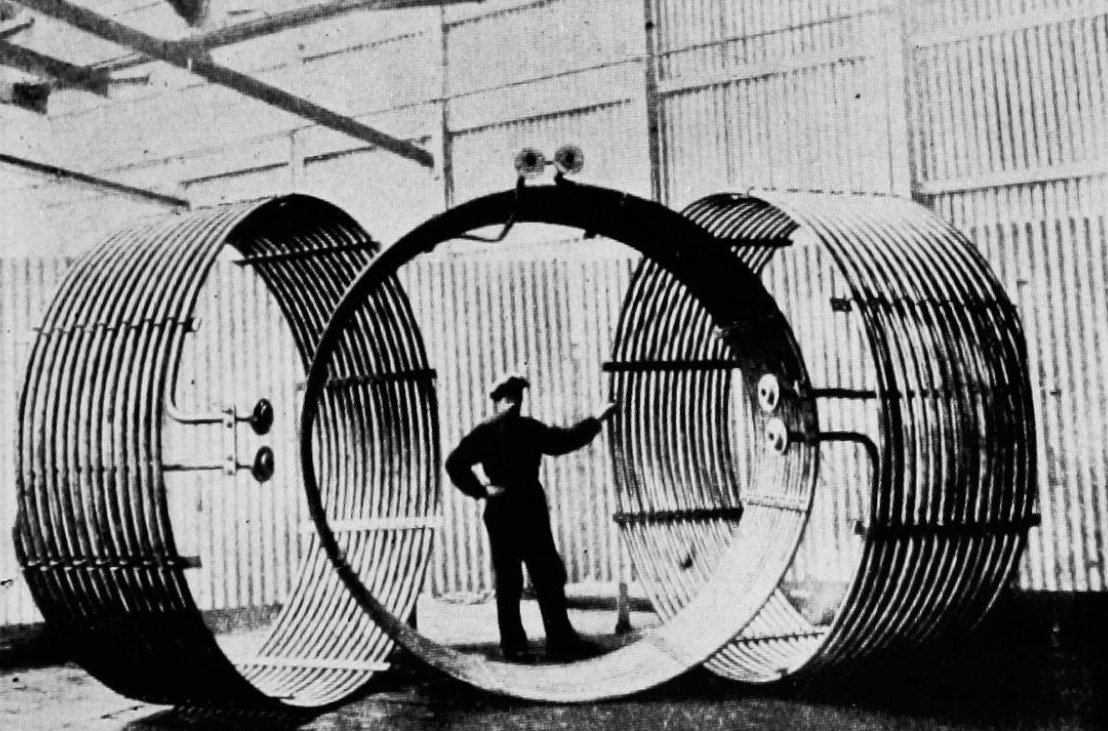
Each stainless steel grade has a different composition and resistance; the right choice depends on the customer’s environment and application.
Grade Comparison Table
| Grade | Key composition | Corrosion resistance | Common application |
|---|---|---|---|
| 304 | 18% chromium, 8% nickel | Good | Cookware, architecture, general uses |
| 316 | 304 + 2% molybdenum | Excellent (chloride environment) | Marine, chemical, medical |
| 430 | 18% chromium, no nickel | Moderate | Economical uses, low-moisture decorative applications |
| 201 | Less chromium, low nickel, high manganese | Less than 304 | Economical, low-contact applications |
Why Asking About the Application Environment Is Key
If the customer wants stainless steel for a wet environment or near the sea and you provide 304 instead of 316, they may see corrosion a few months later. Conversely, if you recommend expensive 316 for a dry indoor railing, you have imposed an additional cost. One question about the environment and application prevents both mistakes.
A salesperson who knows the grades and provides the right guidance becomes a consultant for the customer rather than merely a supplier.
A Practical Tip for Quick Identification
Although accurate testing requires a laboratory, a simple magnet is a good initial guide: 304 and 316 are practically nonmagnetic, while 430 and 201 show a noticeable magnetic response because of their ferritic structure or low nickel content. This test takes only a few seconds and is your first layer of assurance before any important transaction.
Frequently Asked Questions
چه زمانی مشتری به استیل ۳۱۶ نیاز دارد نه ۳۰۴؟
وقتی محیط حاوی کلرید است، مثل مجاورت آب دریا یا محیطهای شیمیایی. استیل ۳۱۶ به دلیل داشتن حدود ۲ درصد مولیبدن، مقاومت خوردگی بالاتری در این شرایط دارد و طبیعتاً گرانتر است.
استیل ۴۳۰ چه فرقی با ۳۰۴ دارد؟
استیل ۴۳۰ حدود ۱۸ درصد کروم دارد اما فاقد نیکل است، ساختار فریتی دارد و همیشه مغناطیسی است. به دلیل نبود نیکل ارزانتر است اما مقاومت خوردگی کمتری دارد.
کدام گرید برای ظروف آشپزخانه مناسب است؟
معمولاً ۳۰۴ که تعادل خوبی بین مقاومت خوردگی، بهداشت و قیمت دارد. ۳۱۶ برای مصارف حساستر و ۴۳۰ برای مصارف اقتصادیتر و کمتماس با رطوبت بهکار میرود.
Reader comments
Be the first to share your experience with this article.