
Sheets are supplied in standard factory-made dimensions and in cut-to-size form. Learn about common dimensions, the difference between buying factory-made and cut-to-size sheets, and their effect on waste and price.
Imagine two sheet sellers: one has a warehouse full of sheets in standard dimensions, while the other keeps coils and cuts them to order. Neither is necessarily wrong; they are simply two different strategies, each suited to a particular type of customer. Understanding this difference helps you organize your inventory more intelligently.
Standard Dimensions You Should Know
Factory-made sheets are supplied in specific, standard factory dimensions; the most common are ۱ by ۲, ۱.۲۵ by ۲.۵, ۱.۵ by ۳, and ۱.۵ by ۶ meters. Sheets are also produced in coils with standard widths such as ۱۰۰۰, ۱۲۵۰, and ۱۵۰۰ millimeters, which can later be cut to the desired length.
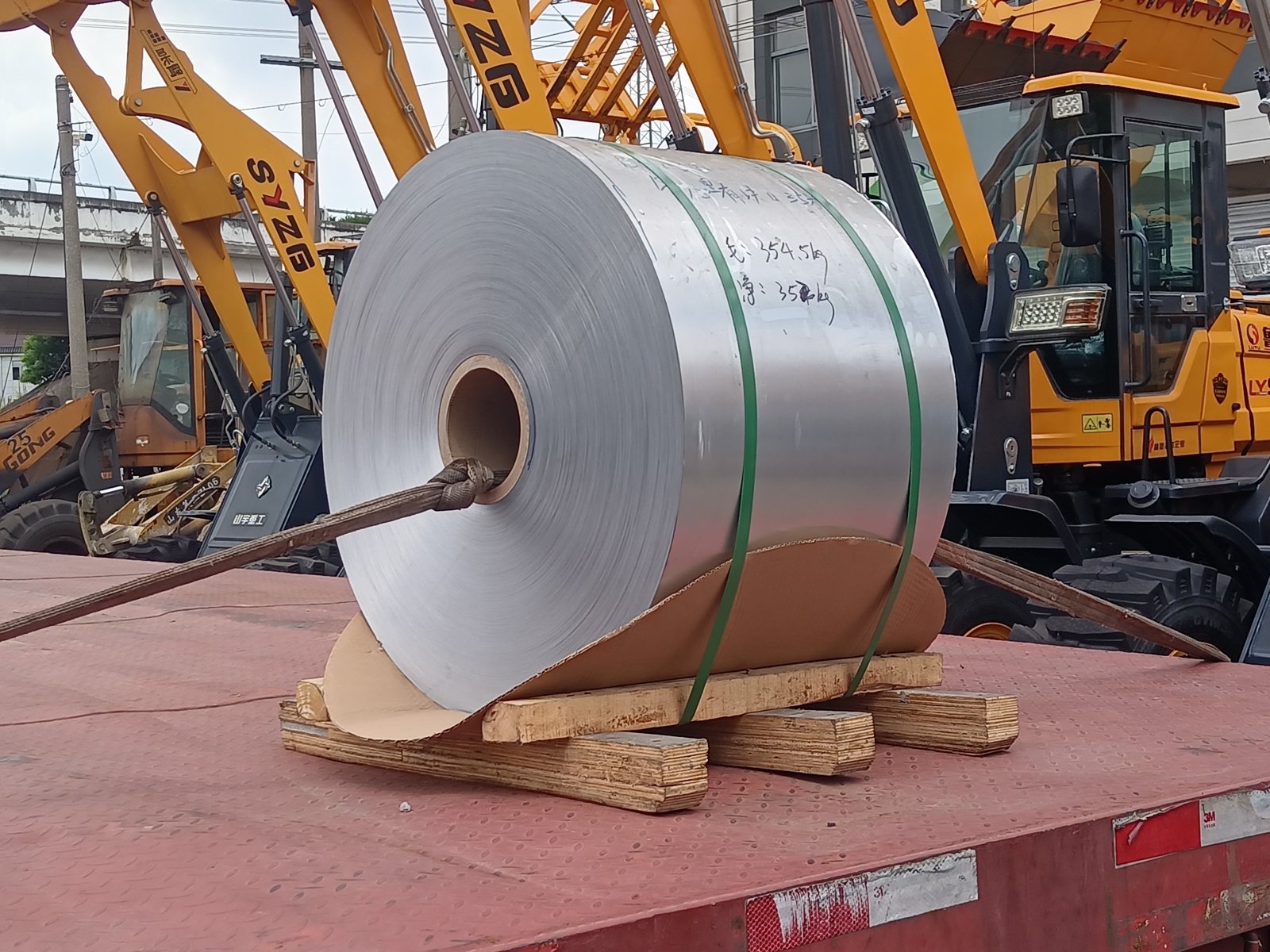
Choosing between factory-made and cut-to-size sheets is, in fact, a choice between rapid inventory turnover and dimensional flexibility.
Factory-Made Versus Cut-to-Size
| Criterion | Factory-made sheet | Cut-to-size sheet |
|---|---|---|
| Dimensions | Standard and fixed by the factory | Custom, cut from a coil or large sheet |
| Flexibility | Low; the available dimensions must be used | High; suited to the customer’s order |
| Cost | No cutting cost | Usually involves a cutting cost |
| Waste | Less for customers requiring standard dimensions | If managed correctly, less waste for special dimensions |
| Suitable for | Rapid turnover and general customers | Special-dimension and project-based orders |
Inventory Decisions Based on Customers
If most of your customers require standard dimensions, keeping factory-made sheets gives your capital faster turnover. However, if orders generally involve special dimensions, keeping coils or large sheets and cutting to order both reduces waste and allows you to respond to a wider range of orders.
A common mistake is storing a large volume of one particular factory-made dimension that only some customers need; this ties up capital. Balancing several high-demand factory-made dimensions with some cutting capacity usually provides the widest coverage with the least tied-up capital.
A Brief Note About Storage
Cut-to-size sheets, especially in non-standard dimensions, are generally more difficult to fit into a warehouse than standard factory-made sheets and waste more space; include this hidden space cost in your decision between these two strategies.
Frequently Asked Questions
ابعاد استاندارد ورق چیست؟
رایجترین ابعاد فابریک شامل ۱ در ۲، ۱.۲۵ در ۲.۵، ۱.۵ در ۳ و ۱.۵ در ۶ متر است. ورق کویل هم در عرضهای استاندارد مثل ۱۰۰۰، ۱۲۵۰ و ۱۵۰۰ میلیمتر عرضه میشود.
فرق ورق فابریک و برشی چیست؟
ورق فابریک همان ابعاد کامل و استاندارد کارخانه است؛ ورق برشی، ورقی است که از کویل یا ورق بزرگتر به اندازهٔ دلخواه بریده شده. برشی انعطاف ابعاد میدهد اما معمولاً هزینهٔ برش و احتمال پرت دارد.
برای انبار، فابریک بهتر است یا برشی؟
بستگی به مشتریهای شما دارد. اگر مشتریانتان بیشتر ابعاد استاندارد میخواهند، فابریک گردش سریعتری دارد. اگر سفارشها ابعاد خاص دارند، نگهداری کویل یا ورق بزرگ و برش بهسفارش، پرت کمتر و انعطاف بیشتری میدهد.
Reader comments
Be the first to share your experience with this article.