
In sheets, fraud usually comes from undersizing by a few tenths of a millimeter, not anything else. Learn how to detect undersized sheets, check them with a micrometer, and compare actual weight with theoretical weight.
You buy a “۳ میلیمتری” black sheet, the load arrives, and it looks exactly like a ۳ میلیمتری sheet. But when you measure it with a micrometer, the actual thickness is ۲.۷ میلیمتر. This ۰.۳ میلیمتر cannot be seen with the naked eye, but because sheet prices are based on weight and weight is directly dependent on thickness, this small difference means that around ۱۰ percent of the money you paid was for steel you never actually received.
Why Sheet Fraud Differs from Rebar and I-Beams
In rebar, the main fraud involves reducing the diameter, while in I-beams it involves reducing the flange thickness. With sheets, the matter is simpler and, at the same time, more concealed: the sheet’s own thickness is what determines both the price and the easiest place to commit fraud. Since sheet thickness is measured in tenths of a millimeter, a small difference that cannot be detected by eye can shift a significant percentage of the weight and, consequently, the price.
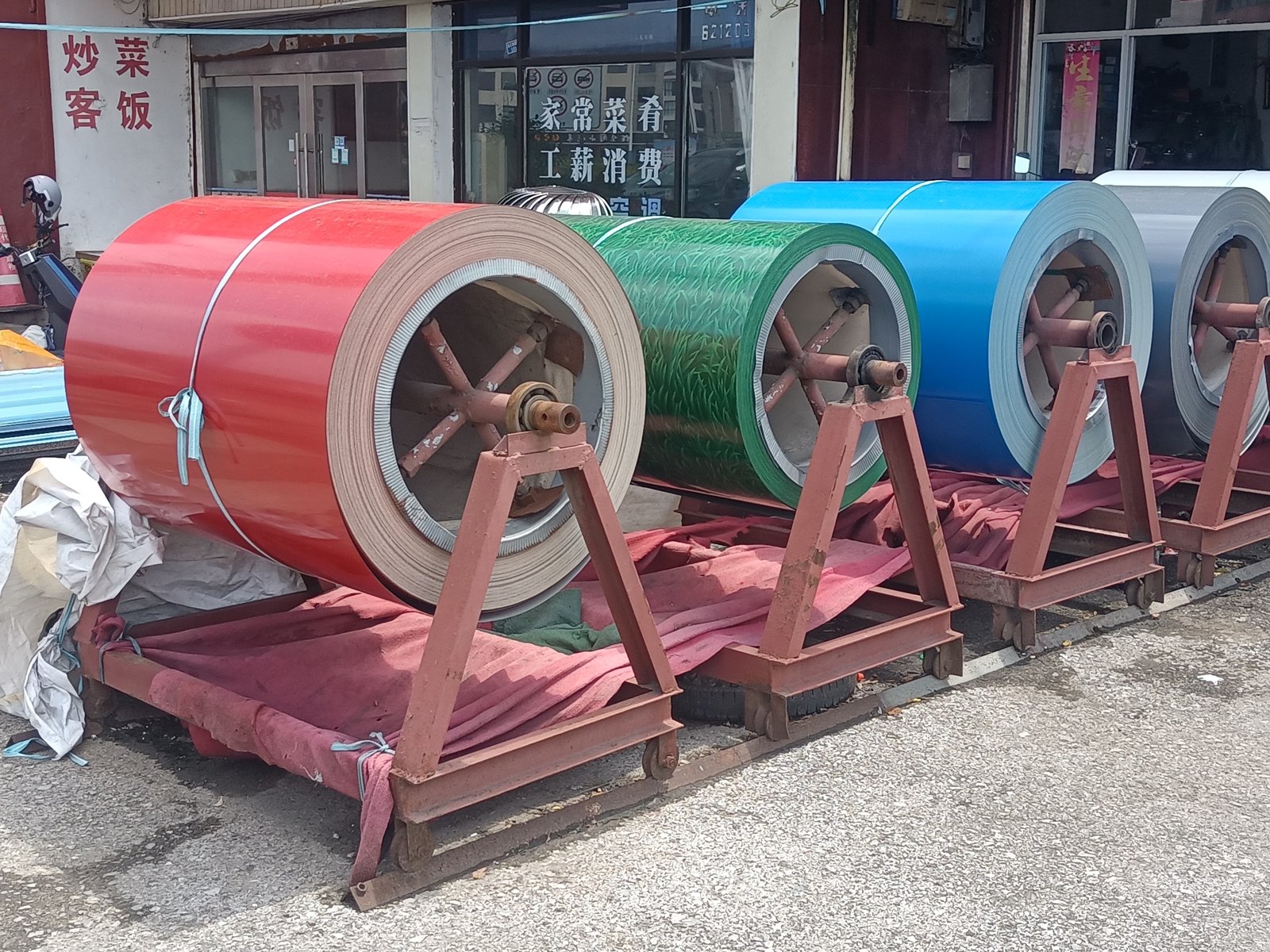
With sheets, it is those few tenths of a millimeter in thickness that create the price difference—something visible only through measurement, not by looking.
Three Main Signs of a Suspicious Sheet
| Sign | How to check | Why it matters |
|---|---|---|
| Undersizing | Use a micrometer at several points, especially the center and edges | A difference of a few tenths of a millimeter means a percentage of your weight and money has been lost |
| Actual weight lower than theoretical | Compare the load’s weight using the length×width×thickness×۷.۸۵ formula | If the weighbridge weight is noticeably lower than the theoretical figure, either the thickness or the dimensions are lower |
| No roll mark or factory label | Look for the Mobarakeh/Oxin/Kavian stamp and label | Its absence could indicate an imported sheet passed off as a domestic product |
Weight Check: Your Simplest Weapon
The good thing about sheets is that their weight can be calculated exactly. If you have a sheet measuring ۲ by ۱ meters with a thickness of ۳ میلیمتر, its theoretical weight is ۲ × ۱ × ۳ × ۷.۸۵, equal to ۴۷.۱ kilograms. If the actual weight on the weighbridge is noticeably lower than this figure, it is cause for concern. This check can also be performed on the entire load: calculate the total theoretical weight of all the sheets and compare it with the weighbridge weight.
A few minutes of measurement with a micrometer and a simple calculation, for a product priced by the kilogram, can prevent a loss that becomes a significant amount across an entire large load.
Frequently Asked Questions
چرا کمضخامتی در ورق مهمترین نوع تقلب است؟
چون قیمت ورق مستقیم بر اساس وزن است و وزن ورق با ضخامت رابطهٔ مستقیم دارد. یک ورق «۳ میل» که در واقع ۲.۷ میل است، حدود ۱۰ درصد کمتر وزن دارد و همان درصد از پول شما هدر میرود، بیآنکه با چشم دیده شود.
چطور ضخامت واقعی ورق را چک کنیم؟
با میکرومتر یا کولیس دقیق، ضخامت را در چند نقطهٔ مختلف ورق، بهخصوص وسط و لبهها، اندازه بگیرید. اختلاف چند دهم میلیمتر با ضخامت اعلامشده یعنی ورق زیرسایز است.
چطور بفهمیم ورق چینی بهجای داخلی فروخته شده؟
ورق داخلی معمولاً رولمارک و برچسب کارخانه (مبارکه، اکسین، کاویان) دارد. نبود این نشانهها، یا آنالیز و ضخامتی که با استاندارد کارخانهٔ داخلی نمیخواند، باید شما را به بررسی بیشتر وادار کند.
Reader comments
Be the first to share your experience with this article.