
Sheet prices are shaped by several factors at the same time: the dollar exchange rate, the Iran Mercantile Exchange base price, the hot–cold price gap, and competition from imported sheets. We examine their effects on buying and selling.
The price of sheet is not a simple figure determined by a single factor; it is the result of several forces acting at the same time. If you understand them, you can better anticipate which direction the price is heading and when to buy or sell.
The Two Main Drivers: The Dollar and the Commodity Exchange
The weekly base price of steel sheet is discovered on the Iran Mercantile Exchange, and part of this formula depends on the dollar exchange rate. The base price of Mobarakeh Steel usually serves as the benchmark, and the rest of the market, from wholesalers to retailers, adjusts itself accordingly. When the dollar fluctuates significantly over a short period, this fluctuation is also seen in the sheet free market with a slight delay.
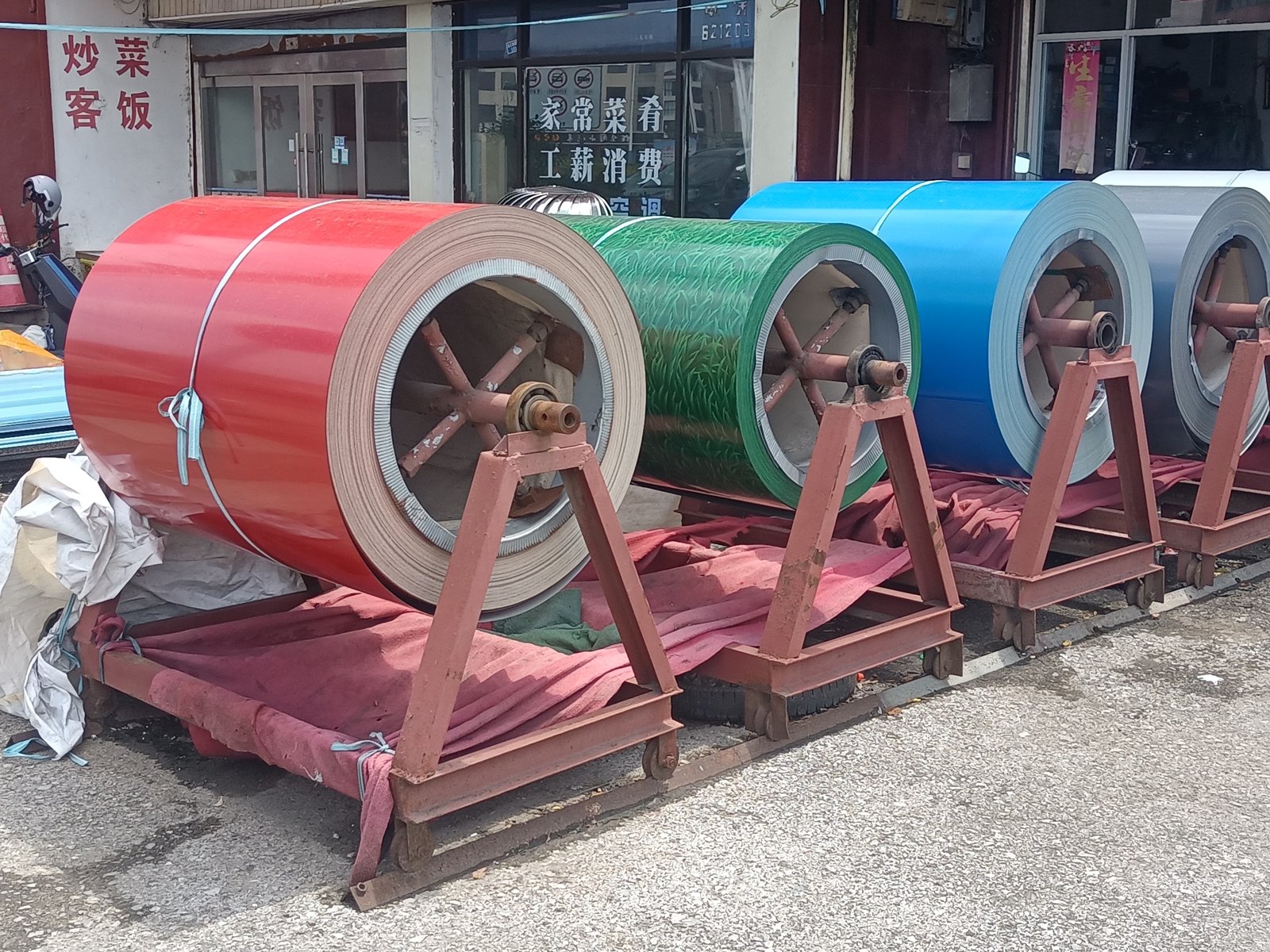
Sheet prices are shaped by several factors at the same time; understanding them means a more accurate estimate of the market direction.
The Factor Specific to Sheet: The Hot–Cold Price Gap
Cold-rolled sheet has one more production stage than hot-rolled sheet, so it is always more expensive; however, the size of this gap is not constant. Sometimes the gap widens due to high demand from industries that consume cold-rolled sheet, and sometimes it narrows. An alert market participant monitors this gap, because its change can indicate which one is currently more economical to buy.
| Factor | How it affects sheet prices |
|---|---|
| Dollar exchange rate | Part of the Commodity Exchange base-price formula depends on the dollar |
| Commodity Exchange base price | The weekly sheet price, especially Mobarakeh, is the basis for the entire market |
| Hot–cold price gap | Changes in this gap determine which type is currently more economical to buy |
| Imported sheet | Competitive Chinese sheet can put price pressure on domestic sheet |
| Gas and electricity outages at factories | Energy restrictions reduce sheet production and make prices more prone to rising |
How to Use This Understanding
- Monitor Mobarakeh’s weekly base price and the dollar exchange rate together to understand the overall market direction sooner.
- Keep an eye on the hot–cold price gap; its narrowing or widening tells you where a buying opportunity exists.
- Take news of sheet imports or import restrictions seriously, because it directly affects domestic sheet prices.
No one can predict tomorrow’s price precisely, but anyone who views these factors together will be surprised far less often than someone who only looks at today’s price.
Frequently Asked Questions
مهمترین عامل قیمت ورق چیست؟
قیمت پایهای که هفتگی در بورس کالای ایران کشف میشود و بخشی از آن به نرخ دلار وابسته است. قیمت مبارکه معمولاً مرجع بازار است و بقیه خودشان را با آن تنظیم میکنند.
چرا فاصلهٔ قیمت ورق گرم و سرد گاهی کم و زیاد میشود؟
چون ورق سرد یک مرحلهٔ تولید بیشتر دارد، هزینه و تقاضای این مرحله میتواند فاصلهٔ قیمت گرم و سرد را تغییر دهد. رصد این فاصله به شما کمک میکند بدانید کدامیک در حال حاضر برای خرید صرفه دارد.
ورق وارداتی چه اثری روی قیمت دارد؟
وقتی ورق وارداتی (مثلاً چینی) با قیمت رقابتی وارد بازار میشود، میتواند فشار قیمتی روی ورق داخلی بگذارد. برعکس، محدودیت واردات یا نوسان ارز میتواند ورق داخلی را گرانتر کند.
Reader comments
Be the first to share your experience with this article.