
Hot-rolled and cold-rolled sheets are not only different in price; their thickness, surface and applications are completely different. Let’s become familiar with the differences and which one is suitable for which customer.
The customer comes in and says, “I want sheet,” and that’s it. The first question you should ask is: hot-rolled or cold-rolled? Although both are steel sheets, they are completely different in terms of thickness, appearance, price and application, and the wrong recommendation means either the customer suffers a loss or you are left with unsold stock.
Where the Difference Begins
Hot-rolled sheet, which is also called black sheet in the market, is produced through the hot-rolling process; its surface is dark and somewhat rough, and it is supplied in higher thicknesses, approximately from ۲ millimeters upward. Cold-rolled sheet, also called oiled sheet, is the same sheet with an additional cold-rolling stage, making it thinner, smoother and shinier; its thickness is usually between ۰.۴ and ۲ millimeters.
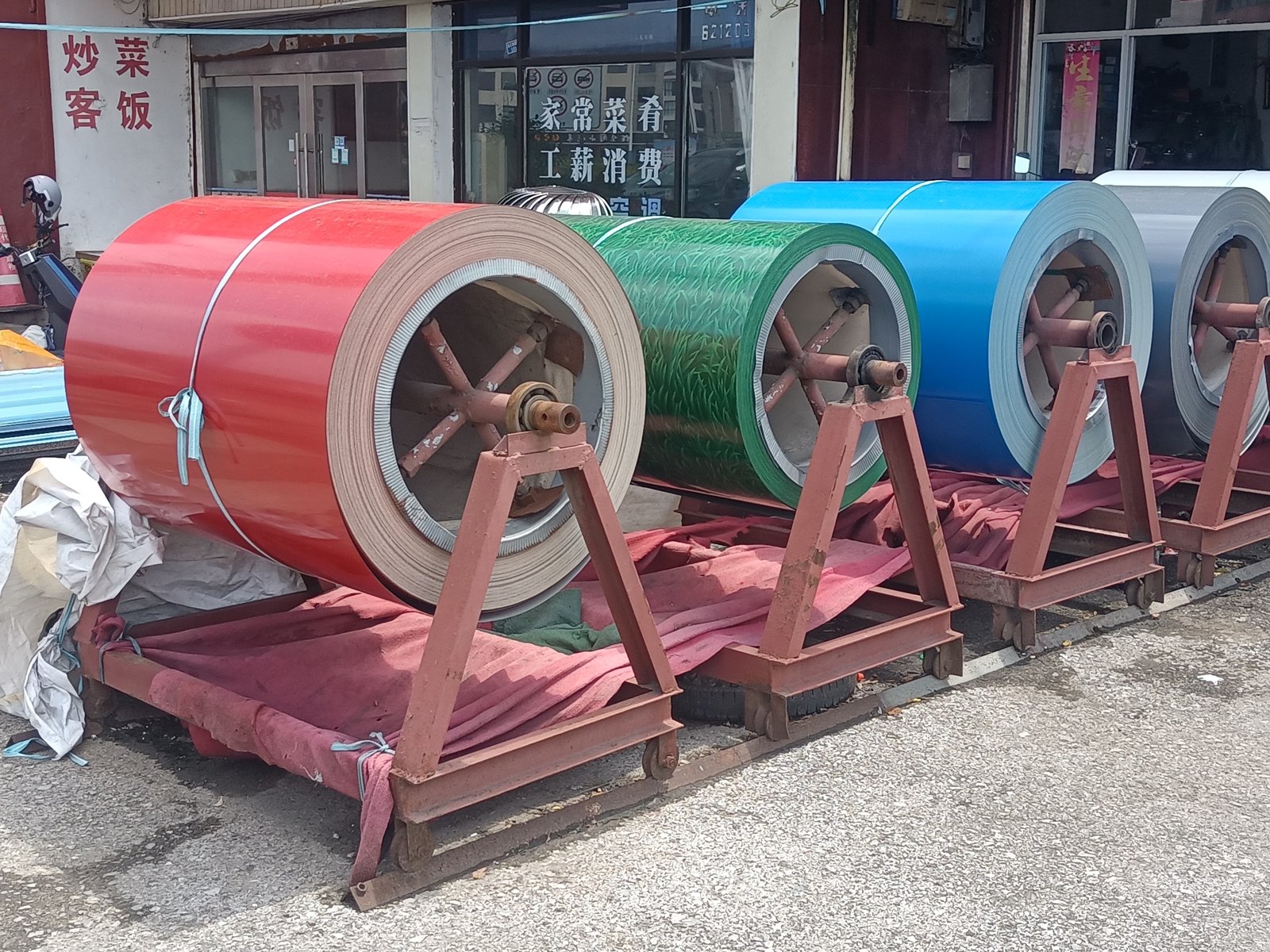
The choice between hot-rolled and cold-rolled sheet depends first and foremost on the customer’s required thickness and application, not just the price.
A Practical Comparison for Sales
| Feature | Hot-rolled sheet (black) | Cold-rolled sheet (oiled) |
|---|---|---|
| Common thickness | Approximately ۲ to ۱۵ millimeters and more | Approximately ۰.۴ to ۲ millimeters |
| Surface | Dark and somewhat rough | Smooth, shiny and clean |
| Price | Cheaper | More expensive (one additional production stage) |
| Common grade | ST37 and ST52 | DC01 and ST12 |
| Typical application | Structures, columns, plates, thick work | Body panels, household appliances, fine work requiring a smooth surface |
A Common Mistake to Avoid
Sometimes the customer looks only at the price and buys the cheaper hot-rolled sheet for a job that actually requires the smooth surface of cold-rolled sheet; the result is a dissatisfied customer returning. The opposite also happens: someone chooses a thin cold-rolled sheet for a structural job, even though it does not have the required strength at all. Your role as an experienced seller is precisely to guide the customer to the right sheet by asking the right question.
When you clearly explain the difference between the two to the customer, you both gain their trust and reduce the likelihood of returned goods and subsequent disputes; in the long term, this is more valuable to your business than the profit from a single transaction.
Frequently Asked Questions
مهمترین تفاوت ورق گرم و سرد چیست؟
ورق گرم (سیاه) در ضخامتهای بالاتر (حدود ۲ تا ۱۵ میلیمتر و بیشتر) با سطح زبر و تیره تولید میشود و ارزانتر است؛ ورق سرد (روغنی) در ضخامتهای نازک (حدود ۰.۴ تا ۲ میلیمتر) با سطح صاف و براق تولید میشود و گرانتر است.
چرا ورق سرد گرانتر از گرم است؟
چون ورق سرد یک مرحلهٔ تولید بیشتر دارد؛ ورق گرم پس از نورد گرم، در دمای پایینتر دوباره نورد و اصلاح سطح میشود تا نازکتر، صافتر و دقیقتر شود. همین فرآیند اضافه، قیمت را بالاتر میبرد.
مشتری ساختمانی به کدام نیاز دارد؟
معمولاً ورق گرم (سیاه)؛ چون کاربردهای سازهای، ستون، پلیت و کارهای ضخیم به استحکام و ضخامت بالاتر نیاز دارند. ورق سرد بیشتر برای بدنه، لوازم خانگی و کارهای ظریف با سطح صاف کاربرد دارد.
Reader comments
Be the first to share your experience with this article.