
Sheet steel delivery has points that don't apply to rebar or I-beams: checking thickness with a micrometer, inspecting for surface waviness and rust, and matching the analysis certificate — all in one checklist.
You take delivery of a shipment of black sheet, and the number of sheets is correct. But two weeks later, the customer comes back and says the sheets are wavy and useless for their work. That is when you realize that receiving sheet is not just about counting the number of sheets; it has several specific considerations that, if not checked at the time of delivery, cannot be remedied later.
Why the Sheet Checklist Is Different from Rebar
With rebar and I-beams, the main focus is on weight and dimensions. With sheet, three additional factors come into play: precise thickness (which must be measured with a micrometer), surface condition (waviness, rust, scratches), and steel grade (which is verified through the mill test certificate). All three may appear correct but actually have problems.
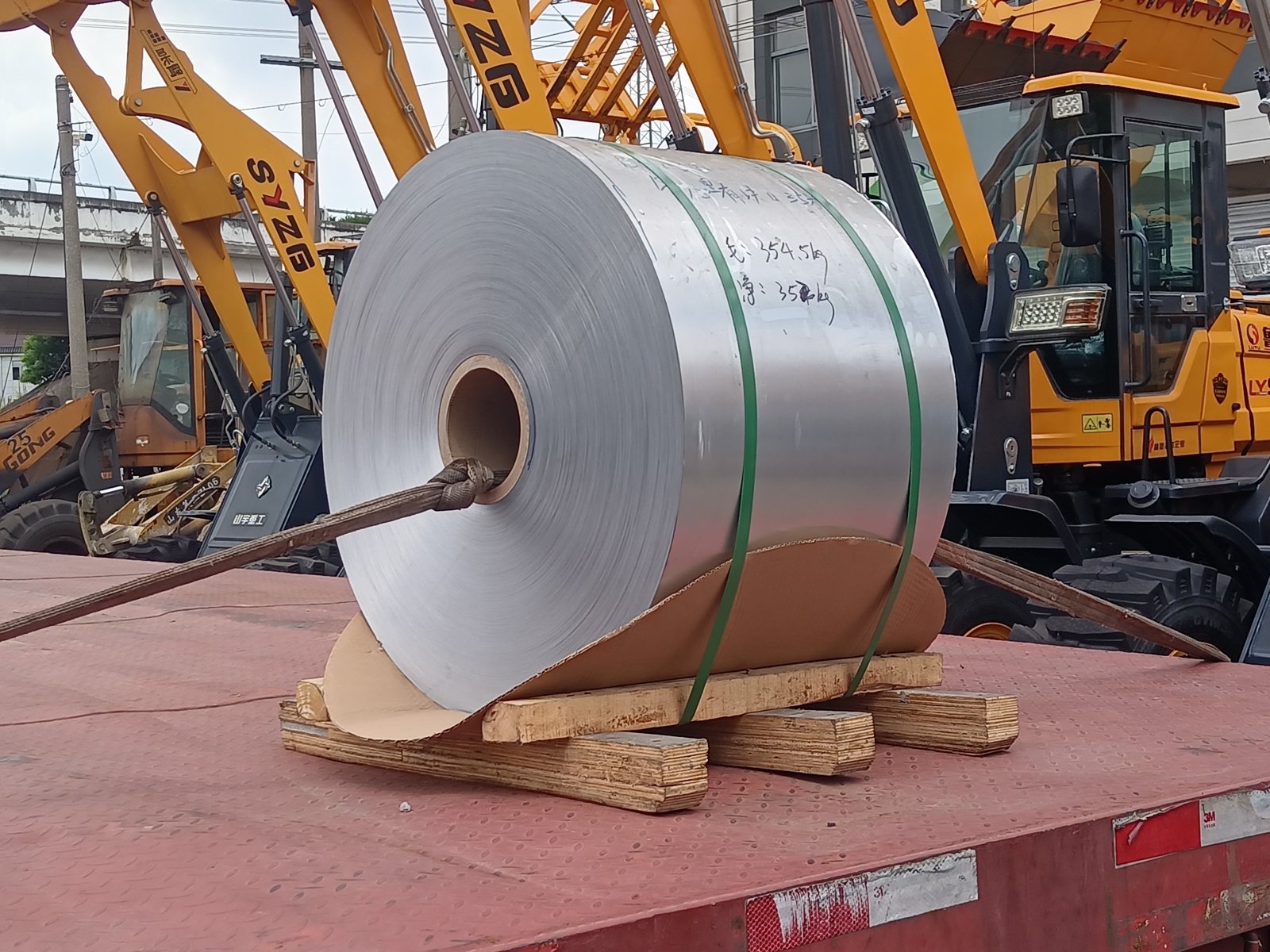
Inspecting the sheet’s thickness and surface reveals what counting the number of sheets can never show.
Step-by-Step Sheet Delivery Checklist
- Before unloading: Check the invoice and waybill against the sheet type (hot/cold/galvanized), dimensions, thickness, and quantity.
- Thickness check: Using a micrometer, measure the thickness at several points on several different sheets, especially at the center and edges.
- Weight control: Calculate the total theoretical weight (length×width×thickness×۷.۸۵) and compare it with the weighbridge weight.
- Surface inspection: Look for waviness, rust, scratches, and crushed edges, especially in cold-rolled and galvanized sheet, where surface condition is important.
- Analysis matching: Match the mill test certificate with the grade you ordered (for example, ST37 or ST52).
- In case of a discrepancy: Take photos and contact the seller before settlement; early payment means implicit acceptance of the shipment.
Common Surface Defects and What Each One Means
The sheet surface, especially in cold-rolled and galvanized sheet, is just as important as thickness. Recognizing common defects helps you decide at the time of delivery whether to accept the shipment.
| Surface defect | What it indicates | Effect on application |
|---|---|---|
| Waviness | Stress or improper rolling | Makes it unsuitable for applications requiring a flat surface |
| Rusting | Improper storage or a damp warehouse | Reduces surface quality and, in severe cases, thickness |
| Scratching | Rolling defect or transportation damage | Damages the appearance of cold-rolled and galvanized sheet |
| Crushed edge | Damage during handling | Makes part of the sheet unusable and creates waste |
A Point Most Traders Forget
Do not check thickness at just one point. Sometimes the sheet has the correct thickness in the center but is thinner at the edges, or vice versa. Measuring at several points on several different sheets in the shipment provides a more accurate picture and prevents several thin sheets from being slipped into an otherwise sound shipment.
These few minutes of inspection are a negligible cost for a product traded by the kilogram and at high value, compared with the loss that a problematic shipment can cause.
Frequently Asked Questions
مهمترین بازرسی هنگام تحویل ورق چیست؟
چک ضخامت با میکرومتر در چند نقطه؛ چون قیمت ورق مستقیم به ضخامت گره خورده و کمضخامتی رایجترین نوع تقلب است.
چه عیوب سطحی در ورق مهماند؟
موجدار بودن، زنگزدگی، خطافتادگی و لهیدگی لبه. این عیوب میتوانند ورق را برای کاربردهایی که به سطح صاف نیاز دارند غیرقابلاستفاده کنند، حتی اگر ضخامت درست باشد.
آنالیز یا گواهی ورق چه کمکی میکند؟
گواهی آنالیز کارخانه گرید و ترکیب ورق (مثلاً ST37 یا ST52) را تأیید میکند. تطبیق آن با چیزی که سفارش دادهاید، جلوی جازدن گرید پایینتر بهجای بالاتر را میگیرد.
Reader comments
Be the first to share your experience with this article.