
Construction and industrial profiles are not only different in price; their thickness ranges and load-bearing capacities are completely different. Let us learn about this difference and the right selection guide for each customer.
The customer says they want a profile without saying what it is for. Your next question determines whether you should recommend a construction or industrial profile, and this choice is not merely a matter of preference; if you make the wrong choice, either the customer pays more for something they did not need, or they buy a product that is not sufficient for their actual load.
Where Does the Difference Begin?
Construction profiles are made from sheets usually between ۰.۵ and ۸ millimeters thick and are sufficient for light to medium structures, such as the frameworks of ordinary residential and commercial buildings. Industrial profiles are made from thicker sheets, between ۵ and ۱۶ millimeters, and are used for heavier structures such as large halls, industrial warehouses, and machinery components.
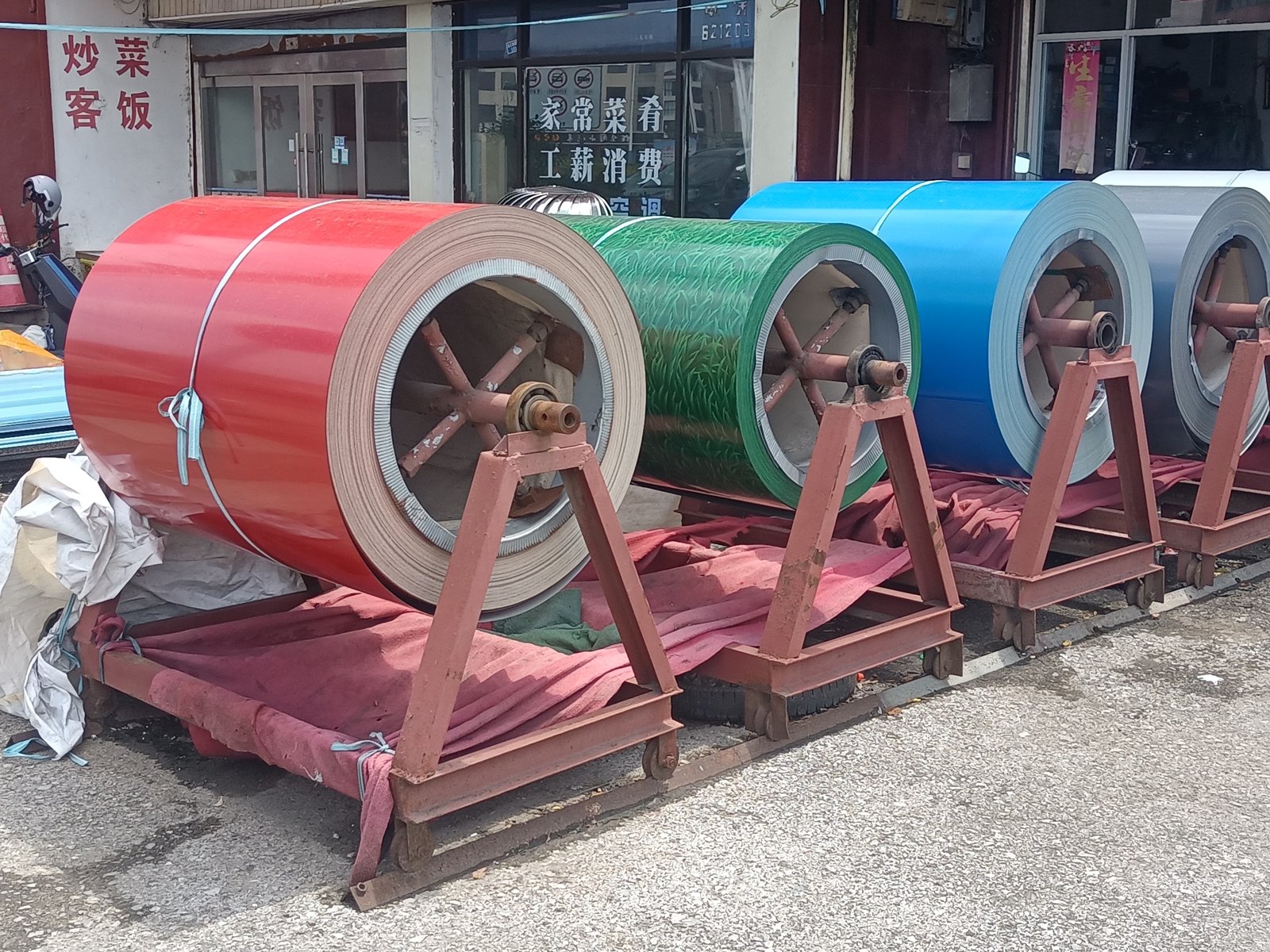
Both construction and industrial profiles are made by rolling these sheets and coils; the difference lies in the thickness of the raw material.
A Practical Comparison for Sales
| Feature | Construction Profile | Industrial Profile |
|---|---|---|
| Thickness range | ۰.۵ to ۸ millimeters | ۵ to ۱۶ millimeters |
| Weight and strength | Lower | Higher |
| Price | Lower | Higher |
| Common applications | Frameworks of ordinary residential and commercial buildings, railings and guards | Large halls, industrial warehouses, machinery, automotive manufacturing |
A Common Mistake to Avoid
Sometimes the customer only notices the lower price of a construction profile and uses it for a heavy industrial structure; the result can be structural problems. The opposite also happens: someone buys a more expensive industrial profile for a simple railing or guard without needing it. Asking about the actual application is precisely the step that prevents this mistake.
Clearly explaining this difference to the customer builds their long-term trust and keeps you away from the trouble of selling an unsuitable product for a sensitive structure.
A Quick Guide to Asking the Right Question
Instead of asking, “What do you need the profile for?” and getting an ambiguous answer, ask, “What weight will this profile have to bear, and what structure will it be placed in?” The answer to this specific question directly leads you to the correct thickness range and prevents guessing based only on the product name.
Frequently Asked Questions
تفاوت اصلی پروفیل ساختمانی و صنعتی چیست؟
ضخامت. پروفیل ساختمانی معمولاً بین ۰.۵ تا ۸ میلیمتر ضخامت دارد و برای سازههای سبک و متوسط مناسب است؛ پروفیل صنعتی بین ۵ تا ۱۶ میلیمتر است و برای سازههای سنگین بهکار میرود.
چرا پروفیل صنعتی گرانتر و سنگینتر است؟
چون از ورق ضخیمتر و در ابعاد بزرگتر ساخته میشود، وزن و استحکامش بیشتر است. به همین دلیل هم قیمتش بالاتر است.
پروفیل صنعتی برای چه کاربردهایی مناسب است؟
سازههای صنعتی مثل سولههای بزرگ، انبارهای سنگین، اجزای ماشینآلات صنعتی و خودروسازی؛ برخلاف پروفیل ساختمانی که بیشتر در سازههای مسکونی و تجاری معمولی بهکار میرود.
Reader comments
Be the first to share your experience with this article.