
Seasonal construction demand and the risk of reduced supply in the cold season create a predictable pattern throughout the year. Read tips for buying and stocking rebar each season.
Consider two sellers who both have similar needs for summer. One buys and stores part of what he needs in Ordibehesht. The other waits until the middle of Tir, when everyone is looking to buy at the same time. Even if the base price has remained the same during these two periods, the first seller will usually find the material more easily and at a more competitive price, because competition for supply has not yet reached its peak.
Why the Timing of Your Purchase Is as Important as the Daily Price
Seasonal construction demand and the risk of reduced supply during the cold season create a relatively predictable pattern throughout the year. This pattern does not guarantee prices, but it provides a logical framework for purchase planning—one that many sellers do not use, choosing instead to buy reactively.
| Season | Demand Status | Supply Status | Buying or Storage Note |
|---|---|---|---|
| Spring | Start of the construction season; demand is increasing | Relatively stable | A good time to begin volume purchases before peak demand |
| Summer | Peak construction season and highest demand | Stable to volatile | Prices are usually under demand pressure; buying before the season's peak is preferable |
| Autumn | Gradual decline in demand from construction projects | Potential for a gradual decline in supply as the cold season approaches | A suitable time to assess inventory status before the cold season |
| Winter | Lowest seasonal demand | Risk of reduced supply due to gas outages affecting industries | If you have storage capacity, buying before this season reduces the risk of shortages |
Spring and Early Summer: The Year's Key Window
The construction season in Iran usually begins in spring and peaks in summer. High demand during this period creates upward pressure on prices. If you are planning for a project or resale in summer, buying and storing part of your needs in spring, before peak demand, can cost less than buying in the middle of the season. The point is that this requires forecasting several months ahead, not making a momentary decision.
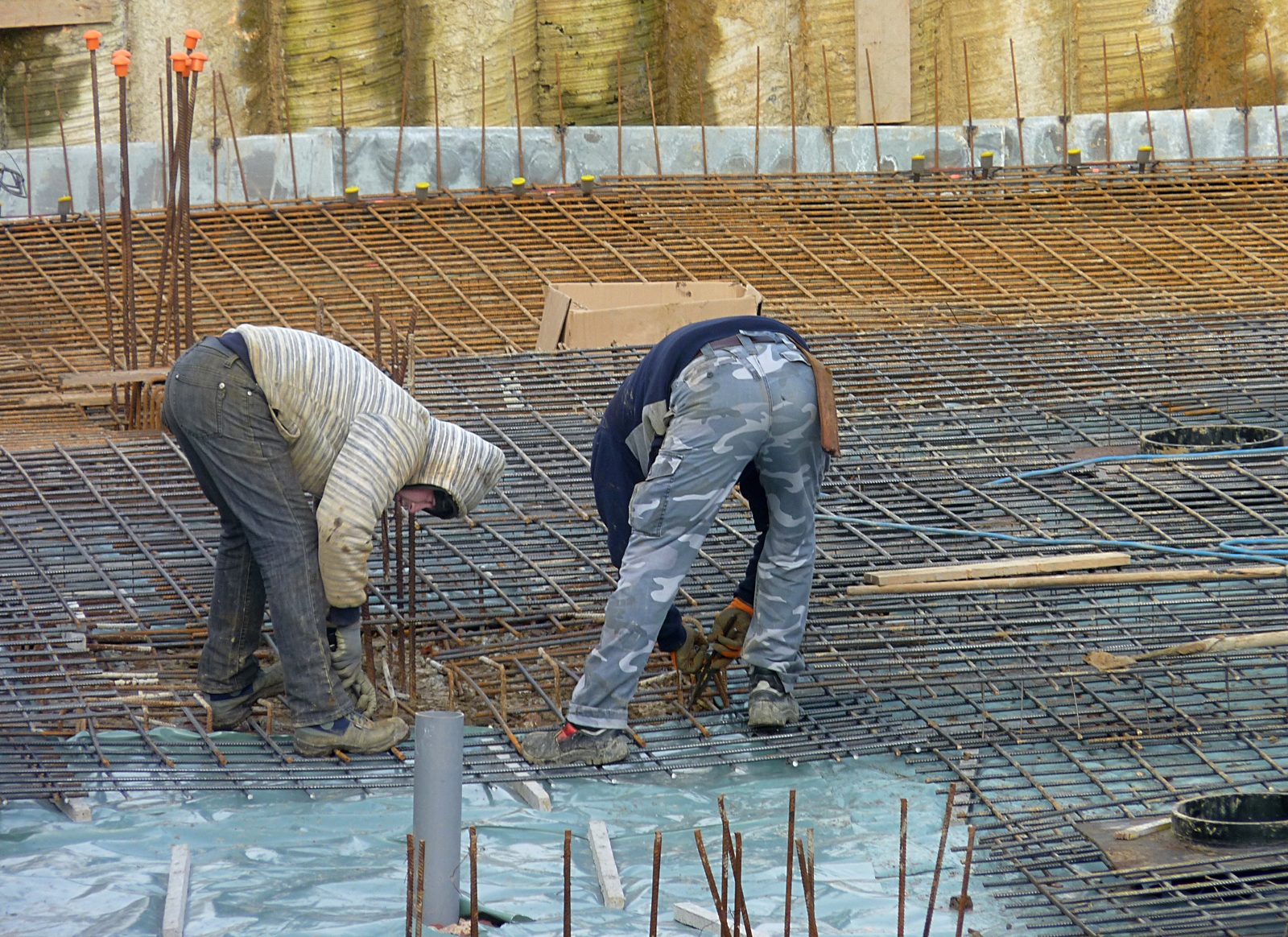
The decision to store material must take two things into account at the same time: the cost of holding the material and the risk of seasonal supply shortages.
Winter: The Risk of Shortages, Not Just Price Risk
As mentioned in the analysis of rebar price factors, the cold season usually limits factory supply because household gas consumption is given priority. This means that the main risk in winter is not just higher prices; sometimes, even finding material with the required grade and volume becomes more difficult. If you have storage capacity, sourcing part of your winter needs in autumn reduces this risk, even if the autumn price is slightly higher than in summer.
The Question You Should Ask Yourself Before Any Storage Decision
“If I do not buy now, will I be able to find this same volume under the same conditions next month?” If the confident answer is “yes,” there is no need to rush into storage. If the answer is uncertain, especially as the cold season approaches, this uncertainty itself is a reason to secure supply earlier, regardless of whether the exact price moves up or down by a few تومان.
Calculate These Before Deciding to Store Material
- Weigh storage costs—including warehouse space, insurance, and the risk of rust during long-term storage—against potential price savings.
- Rebar rusts faster in an open, humid warehouse; suitable covering and drainage are necessary for long-term storage.
- Storing a volume greater than your available liquidity can create cash-flow problems, even when your seasonal forecast is correct.
- The seasonal pattern is a general tendency, not an absolute guarantee; also monitor the dollar rate and Commodity Exchange decisions.
Planning purchases based on this seasonal pattern is more than guessing prices. The right balance between working capital, storage space, and demand forecasting is what ultimately creates real seasonal profit—not simply buying on a day when the price appears low.
Frequently Asked Questions
بهترین زمان برای خرید حجمی میلگرد چه فصلی است؟
بهار، پیش از اوج تقاضای فصل ساختوساز در تابستان، معمولاً زمان مناسبی برای شروع خریدهای حجمی است، چون هنوز فشار تقاضای تابستانی روی قیمت کامل شکل نگرفته.
چرا زمستان برای تأمین میلگرد ریسک بیشتری دارد؟
در فصل سرما، اولویت گاز مصرفی خانگی است و کارخانههای فولادسازی معمولاً با کاهش یا قطعی گاز مواجه میشوند که عرضه را محدود میکند؛ این یعنی هم قیمت و هم دسترسی به بار با گرید مورد نیاز میتواند سختتر شود.
قبل از تصمیم به انبار کردن میلگرد چه نکاتی را باید سنجید؟
هزینهٔ نگهداری (فضا، بیمه، ریسک زنگزدگی)، تأثیر آن روی نقدینگی موجود، و شرایط نگهداری صحیح (پوشش و زهکشی برای نگهداری بلندمدت) را باید در برابر صرفهجویی احتمالی قیمت سنجید.
Reader comments
Be the first to share your experience with this article.