For couplers and structural fittings, product variety (type and size), along with the certification requirement, makes accurate invoice registration in the Taxpayer System essential, especially for project orders that include several different types and sizes.
Four points to check on every invoice
| Item | Taxpayer System requirement | Why it is more sensitive here |
|---|
| Unique invoice identifier | Unique code for each official invoice | High-value project transactions make errors more noticeable |
| Parties’ economic code | Buyer’s and seller’s codes | Transactions are more often with corporate contractors |
| Line-item product code | Correct code for the coupler type and size | The variety of types and sizes makes code selection difficult |
| Accurate product specifications | Coupler type and corresponding rebar size | They must match the actual shipment and the certificate |
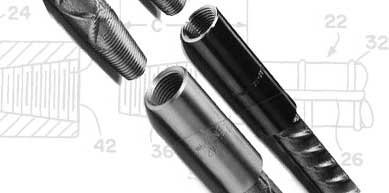
The variety of coupler types and sizes and the certification requirement make accurate invoice registration in the Taxpayer System essential.
Why an incorrect product code causes trouble
If you register the standard coupler code for a reducing coupler, or enter the size incorrectly, this discrepancy will appear in the quarterly value-added tax report. In project orders involving several types and sizes, these errors are more likely to occur and must be registered with greater care.
Practical steps before sending the invoice
- Match the exact type and size of each coupler with the product code.
- For structural transactions, consider referencing or attaching the test certificate.
- Reconfirm the buyer’s economic code (contractor).
- Register the invoice within the time period specified by the system.
This level of care prevents tax discrepancies and technical ambiguity in a transaction that is both project-based and high-value and involves product variety and a certification requirement.
Two common mistakes that are repeated
One is registering a general product code for all couplers without considering the connection type (standard coupler, parallel coupler, or threaded coupler), which does not match the actual shipment during a subsequent inspection. The other is omitting the corresponding rebar size from the line-item description; without this information, the coupler cannot be matched to the drawings by the contractor, and this results in the invoice being returned or corrected late. Both issues can be prevented with a simple check before sending.

Reader comments
0 comments
No comments yet
Be the first to share your experience with this article.