
In non-ferrous metals, the most common fraud is a thin copper coating over a cheaper metal. With a magnet test and a density test, you can distinguish genuine products from counterfeits.
You buy a spool of copper wire that looks completely copper, but its weight is slightly lower than expected. You bring a small magnet close to it and see that it is attracted. At that moment, you realize that this is not pure copper; it has an iron core covered with only a thin layer of copper. In non-ferrous metals, these two simple tests can prevent the biggest losses.
Why Non-Ferrous Metals Differ from Steel
In steel products, fraud usually involves reducing dimensions and weight. In non-ferrous metals, because the value per kilogram is much higher, the incentive for fraud is also greater, and the common form is to make a cheaper metal (usually iron or an inferior alloy) look like a more expensive metal by applying a layer of copper or paint. Fortunately, the physical properties of these metals themselves provide you with the tools for identification.
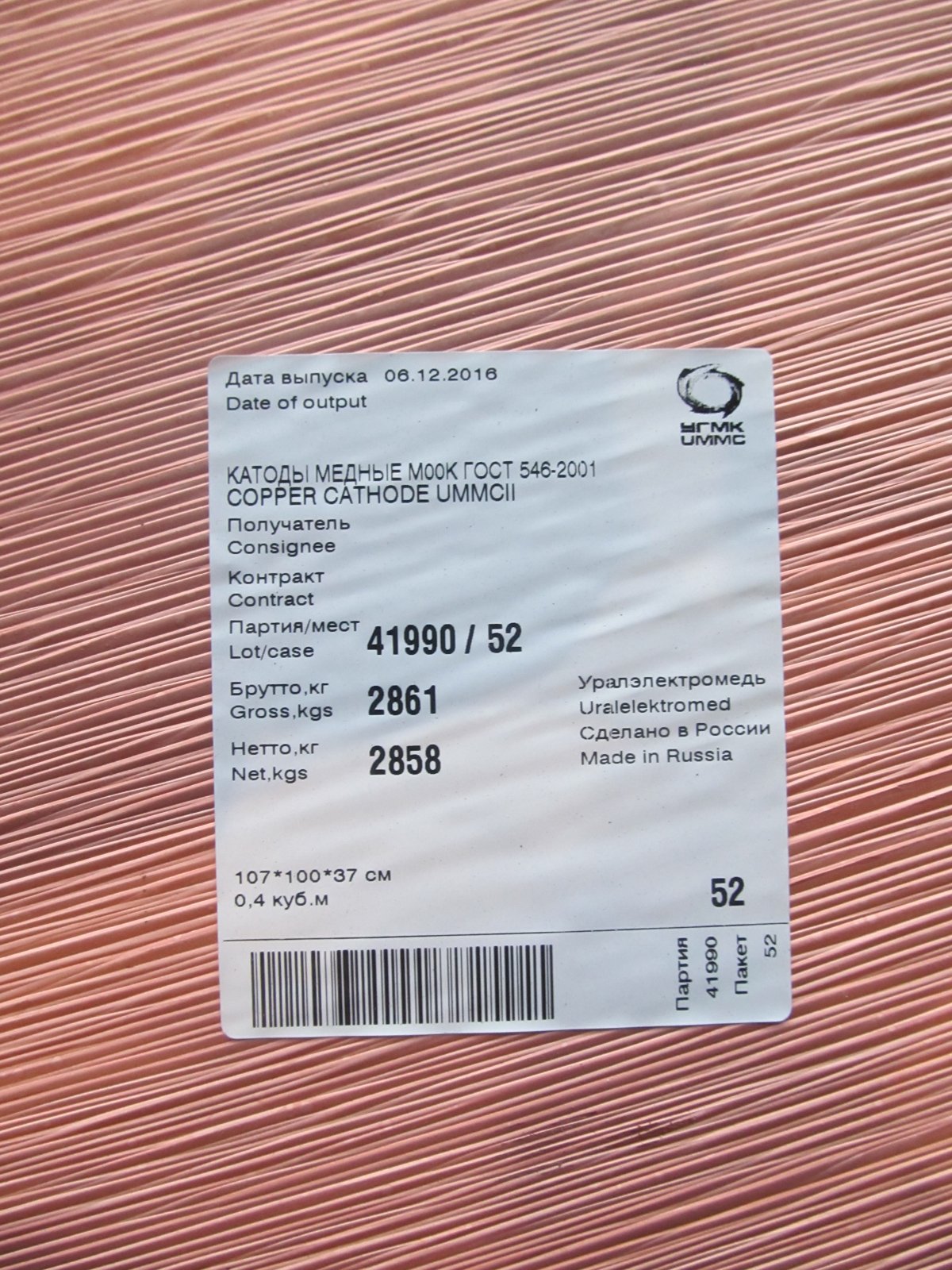
Pure copper is non-magnetic and has a high density; these two properties are the simplest tools for distinguishing genuine products from counterfeits.
Two Key Tests Every Trader Should Know
| Test | Method | Result for Genuine Metal |
|---|---|---|
| Magnet | Bring a magnet close to the piece | Pure copper and aluminum are not attracted; attraction means an iron core |
| Density (weight to volume) | Compare the weight of a specific volume with the reference density | Copper ۸.۹۶, aluminum ۲.۷, brass ۸.۴ to ۸.۷ |
| Color and shine | Examine the surface for brightness and uniformity | Pure copper is bright and shiny; dullness indicates impurities or coating |
A Common Trap in Wire and Cable
A common trick in wire and cable is making the insulation excessively thick compared with the conductor so that the actual volume of copper appears not to be lower. If the coating thickness is unusually high relative to the copper conductor, there may be a possibility that the copper weight has been reduced and compensated for with insulation. Cutting a sample and observing the actual conductor diameter reveals this fraud.
A few seconds of working with a magnet and a scale, for a product that costs several times more per kilogram than steel, is the cheapest insurance against a major loss.
Frequently Asked Questions
چرا تست آهنربا برای تشخیص مس مهم است؟
چون مس و آلومینیوم خالص غیرمغناطیسیاند و آهنربا آنها را جذب نمیکند. اگر یک قطعهٔ بهظاهر مسی به آهنربا بچسبد، احتمالاً هستهٔ آهنی یا فولادی دارد که با لایهٔ نازک مس روکش شده.
تست چگالی چطور کمک میکند؟
هر فلز چگالی مشخصی دارد: مس حدود ۸.۹۶، آلومینیوم ۲.۷، برنج ۸.۴ تا ۸.۷ و آهن ۷.۸۵ گرم بر سانتیمتر مکعب. با وزنکردن یک حجم مشخص و مقایسه با چگالی واقعی، میتوان تقلب یا آلیاژ نامرغوب را تشخیص داد.
رنگ و ظاهر چقدر قابل اعتماد است؟
مس خالص رنگ روشن و براق دارد؛ رنگ کدر یا مات میتواند نشانهٔ ناخالصی یا روکش نازک روی فلز دیگر باشد. اما رنگ بهتنهایی کافی نیست و باید با آهنربا و چگالی تکمیل شود.
Reader comments
Be the first to share your experience with this article.