
The value per kilogram of copper and brass is several times that of steel, so even a seemingly small deal can amount to a large sum. Here's a look at how this high value affects the choice of payment method.
In steel, a small load is usually a small amount of money as well. In non-ferrous metals, this rule changes: because the value of each kilogram of copper or brass is several times that of steel, even a low-weight load can involve a very large amount of money. This makes the decision about the payment method more sensitive in this market than anywhere else.
Why High Value Changes Everything
A load of several hundred kilograms of copper can be equivalent in value to several tons of steel. When you buy such a load in cash, a large portion of your liquidity remains tied up until the sale; and when you sell by check, one bounced check causes a loss equivalent to several steel transactions. The high value of each kilogram increases the risk for both sides.
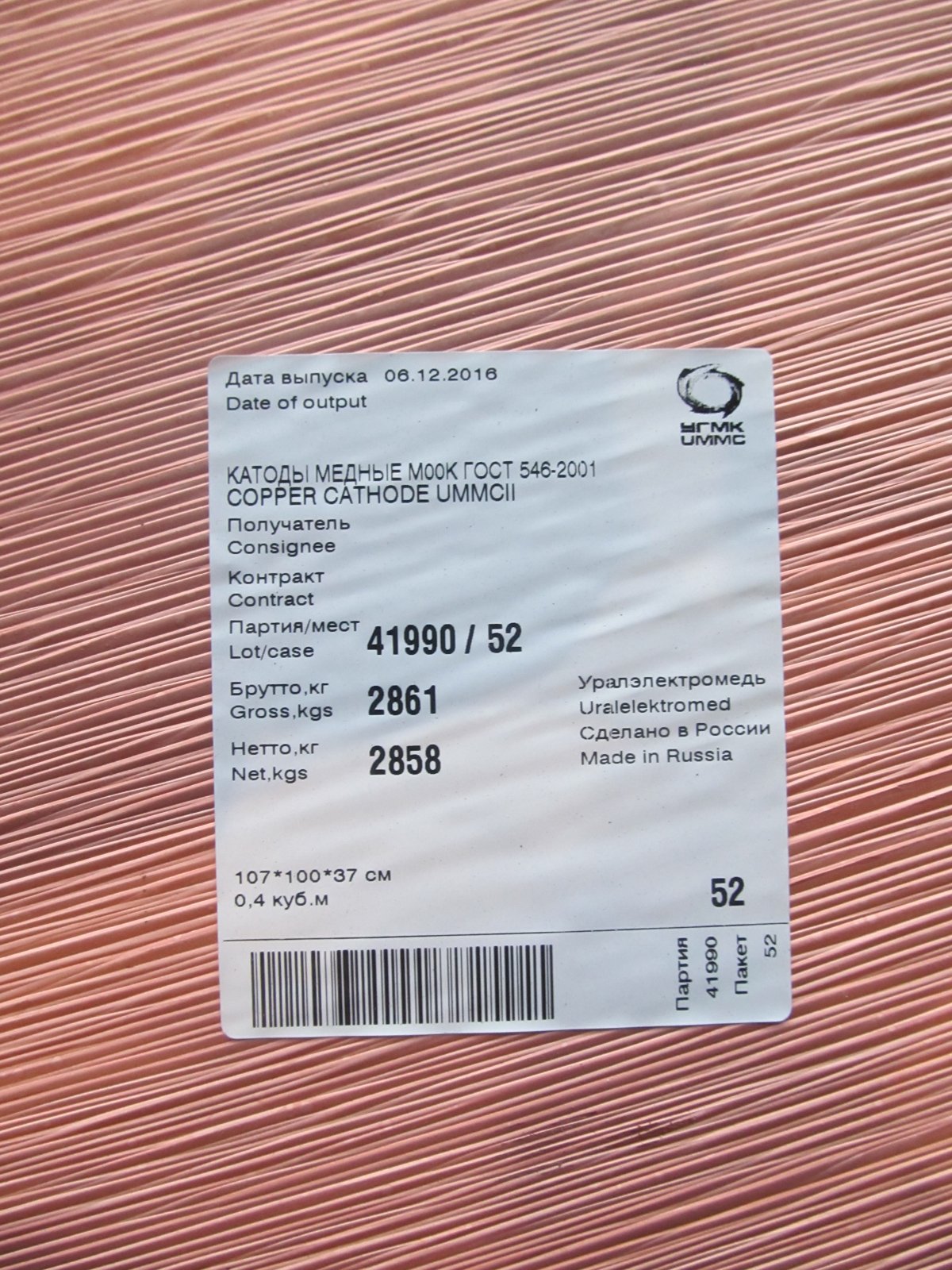
The value of each kilogram of copper is several times that of steel; this value increases the risk of every payment decision.
Comparing Payment Methods
| Method | Advantage | Risk in Non-Ferrous Metals |
|---|---|---|
| Cash | Possibility of a discount; immediate ownership | A large amount of liquidity becomes tied up even for a low-weight load |
| Term check | Purchase without immediately tying up liquidity | The large amount of the check multiplies the damage caused by a bounced check |
| Credit for a regular customer | Smoother cash flow | Requires very strong trust and history due to the high value |
Practical Solution
- Examine the transaction party's credit history more seriously for non-ferrous metals than for steel.
- If possible, divide large transactions into several stages.
- Take daily fluctuations in global prices into account; prices change more quickly in non-ferrous metals.
The main rule is the same: the payment method must match your liquidity and risk tolerance. In non-ferrous metals, because the value of each kilogram is high, this decision must be made with several times more caution.
A Practical Note on Separating Metals
Copper usually has a higher value than brass or aluminum; in a mixed order, settle the copper portion separately and with greater caution, even if the entire transaction is closed under a single invoice. This mental separation makes decision-making about the higher-risk portion of the transaction easier.
Frequently Asked Questions
چرا روش پرداخت در فلزات رنگی حساستر است؟
چون ارزش هر کیلو مس یا برنج چند برابر فولاد است؛ حتی یک بار کوچک از نظر وزن، مبلغ کل بزرگی دارد و ریسک نقدینگی و چک برگشتی را بزرگتر میکند.
چک برگشتی در معاملهٔ مس چقدر خطرناکتر است؟
به دلیل ارزش بالای هر کیلو، مبلغ چک در معاملهٔ فلزات رنگی معمولاً بزرگ است؛ یک چک برگشتی میتواند ضرری معادل چند معاملهٔ فولادی وارد کند.
چطور ریسک معاملات بزرگ فلزات رنگی را کم کنیم؟
بررسی دقیقتر سابقهٔ اعتباری طرف معامله، و در صورت امکان تقسیم معاملات بزرگ به چند مرحله، ریسک را متعادلتر میکند.
Reader comments
Be the first to share your experience with this article.