
Non-ferrous metals come in different metal types, purities, forms, and new-vs-scrap condition — and carry high value. That makes getting the product code right in Iran's e-invoicing system critical.
In non-ferrous metals, both the value per kilogram is high and product variety is considerable: type of metal, purity, form, and whether the material is new or scrap. The combination of high value and variety makes correctly registering the invoice in the Taxpayers System one of the most sensitive parts of the process.
Four points to check on every invoice
| Item | Taxpayers System requirement | Why it is more sensitive for non-ferrous metals |
|---|---|---|
| Unique invoice identifier | Unique code for each official invoice | The high invoice amount makes errors highly noticeable during audits |
| Parties’ economic code | Buyer’s and seller’s code | High-value transactions are more often conducted with legal entities |
| Line-item product code | Correct code for the type, purity, form, and new/scrap status | High variety and the separation of new from scrap make code selection difficult |
| Exact product specifications | Type of metal, grade, form, new or scrap | It must correspond exactly to the actual load |
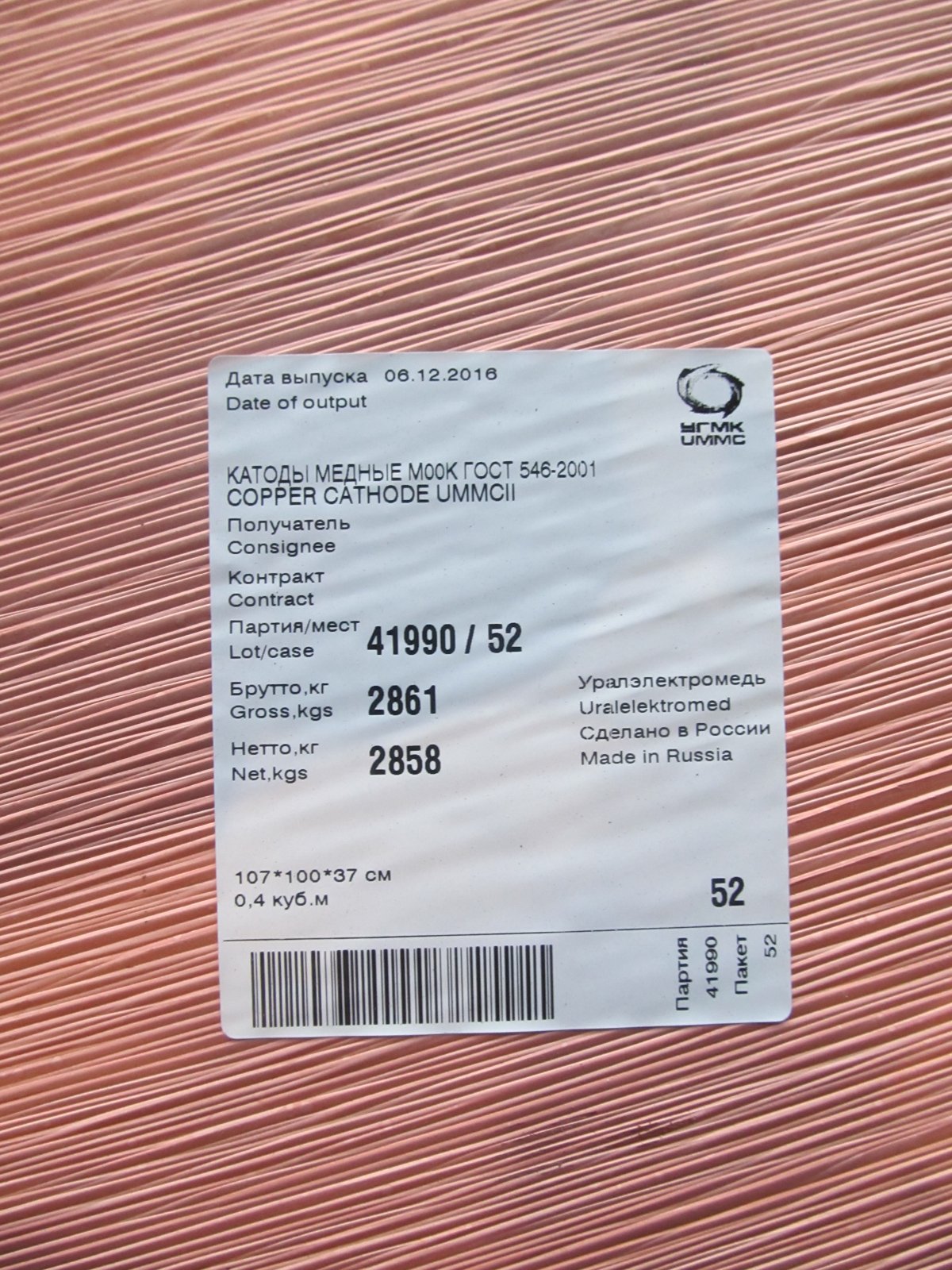
The high value and variety of non-ferrous metals make correctly registering the product code in the Taxpayers System more sensitive than in steel.
Why an incorrect product code is more costly here
If you register scrap copper with the code for new copper, or enter the purity and form incorrectly, this discrepancy will appear in the quarterly value-added tax report. Since the amounts of non-ferrous metal transactions are large, this error creates a large absolute figure, and its tax follow-up is also more serious.
Practical steps before submitting the invoice
- Match the type of metal, purity/grade, form, and new or scrap status with the product code.
- Enter the exact weight based on a reliable weighbridge, not an estimate.
- Reconfirm the buyer’s economic code, particularly for high-value transactions.
- Register the invoice in the time period stipulated by the system.
This several-minute check prevents costly tax follow-ups for a transaction that is both high-value and prone to errors because of its product variety.
Separating scrap on the invoice, not only in the warehouse
Copper scrap and brass scrap, although both are used non-ferrous metals, have different product codes and base prices. If you register a mixed load under a single code, both the tax assessment will become ambiguous and the actual price of each component will be lost. Separating scrap before invoicing is just as necessary for correct registration as it is for accurate weighing.
Frequently Asked Questions
چرا ثبت فاکتور فلزات رنگی حساستر است؟
چون ارزش هر کیلو بالاست و مبلغ فاکتورها بزرگ است؛ هر خطای ثبت، رقم مطلق بزرگی در گزارش فصلی ایجاد میکند که در ممیزی کاملاً محسوس است.
چرا تفکیک نو از قراضه در فاکتور مهم است؟
چون فلز نو و قراضه کد کالا و گاهی احکام مالیاتی متفاوتی دارند؛ ثبت اشتباه یکی بهجای دیگری، مغایرت و دردسر مالیاتی ایجاد میکند.
چه اطلاعاتی باید در فاکتور درج شود؟
شناسهٔ یکتای فاکتور، کد اقتصادی طرفین، کد کالای درست هر ردیف، و مشخصات دقیق (نوع فلز، خلوص/گرید، فرم، نو یا قراضه).
Reader comments
Be the first to share your experience with this article.