
Receiving non-ferrous metals requires greater accuracy due to their high value: use magnet and density tests to assess purity, control weight precisely, and check for the absence of coatings. Let’s review the step-by-step checklist.
You are receiving a load of copper, and it looks good. But since the price of each kilogram of copper is several times higher than steel, any small error in purity or weight turns into a loss that would never be this large with steel. That is why the checklist for receiving non-ferrous metals is stricter than for any other commodity.
Why Accuracy Matters Several Times More Here
In non-ferrous metals, the high value of each kilogram magnifies the impact of every mistake. One percent impurity or a few kilograms of underweight in a copper load can equal the loss from an entire load of steel. The three main inspection areas are purity and authenticity, accurate weight, and surface condition.
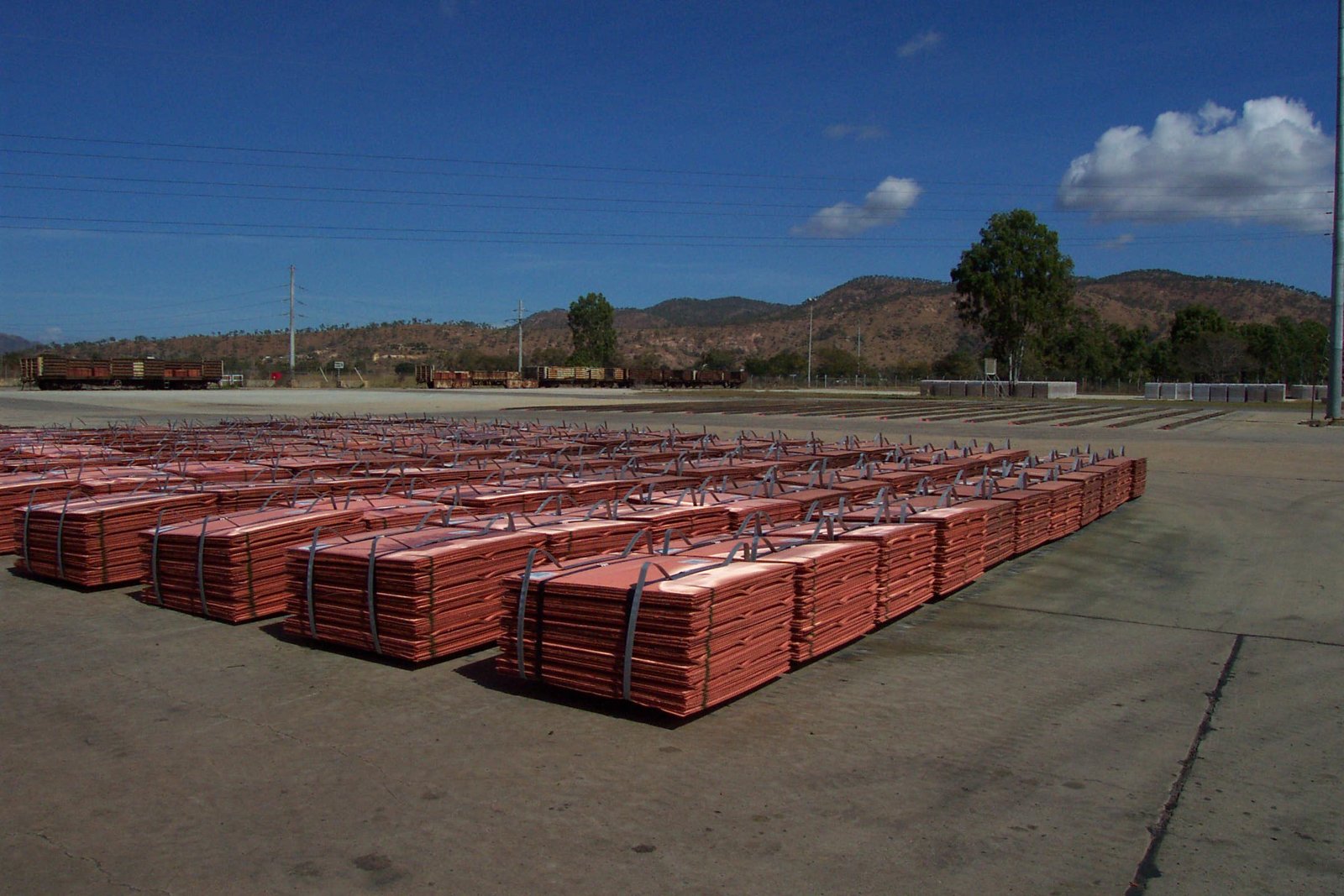
Due to the high value of each kilogram, inspecting the purity and weight of non-ferrous metals is stricter than for any other commodity.
Step-by-Step Checklist
- Before unloading: Check the invoice against the metal type, grade/purity, form, and declared weight.
- Authenticity test: Use a magnet to make sure the metal is not magnetic (an indication that there is no iron core).
- Purity assessment: If possible, estimate the purity through a density test or by cutting a sample.
- Accurate weight control: Read the weight on a reliable weighbridge and compare it with the invoice.
- Surface inspection: Check for severe oxidation, green copper patina, or white aluminum powder.
- In case of discrepancy: Take photos before settlement and contact the seller.
Signs of a Problematic Load
| Sign | What It Indicates | Action |
|---|---|---|
| Attracted to a magnet | Iron core beneath the coating | Reject the load; the metal is not genuine |
| Weight lower than the volume | Impurity or substituted lighter metal | Perform a density test and request an explanation |
| Severe dullness or patina | Oxidation or low quality | Check the depth and request a discount |
| Thick coating on the conductor | Reducing the weight of the genuine metal | Cut a sample and check the actual diameter |
This inspection, which takes a few minutes, is the most essential step before settlement for a commodity whose value per kilogram is several times higher than steel.
An Additional Point About the Weighbridge
In non-ferrous metals, where each kilogram has a high value, even a small weighing error has a noticeable financial impact. If possible, compare the load’s weight on two different weighbridges—your own weighbridge and the carrier’s weighbridge; an unusually large difference indicates the need for calibration or a more detailed inspection of the load.
Frequently Asked Questions
مهمترین چک هنگام تحویل فلزات رنگی چیست؟
تأیید خلوص و اصل بودن فلز با تست آهنربا و چگالی، چون ارزش بالای هر کیلو، هر تقلب یا ناخالصی را به ضرر بزرگی تبدیل میکند.
چرا کنترل وزن اینجا حساستر است؟
چون قیمت هر کیلو فلز رنگی چند برابر فولاد است؛ حتی چند کیلو اختلاف وزن، رقم قابلتوجهی میشود. وزن باید دقیق و با باسکول معتبر کنترل شود.
علائم اکسیداسیون را چطور بررسی کنیم؟
سطح مس نباید بیشازحد کدر یا سبزرنگ (زنگار) باشد و آلومینیوم نباید پودر سفید اکسید داشته باشد؛ اکسیداسیون شدید، نشانهٔ نگهداری نامناسب یا کیفیت پایین است.
Reader comments
Be the first to share your experience with this article.