
Unlike steel, whose price is determined mostly domestically, copper and aluminum prices are tied to the London Metal Exchange (LME). Here, we examine this mechanism and the role of the dollar in domestic pricing.
The steel market is accustomed to checking Iran Mercantile Exchange prices in the mornings; but non-ferrous metals traders need to go one step further and keep their eyes on the London Metal Exchange. Because copper and aluminum are global commodities, and their real prices are determined on the other side of the world.
Why Non-Ferrous Metals Are Priced Globally
In today’s market, no industrial commodity operates independently, but base metals such as copper, aluminum, zinc, and lead are particularly affected by a global pricing chain. The London Metal Exchange (LME) is the world’s most important pricing reference for these metals, and their benchmark prices are discovered there. Even when your transaction is conducted in Iran and in rials, the base figure comes from that global market.
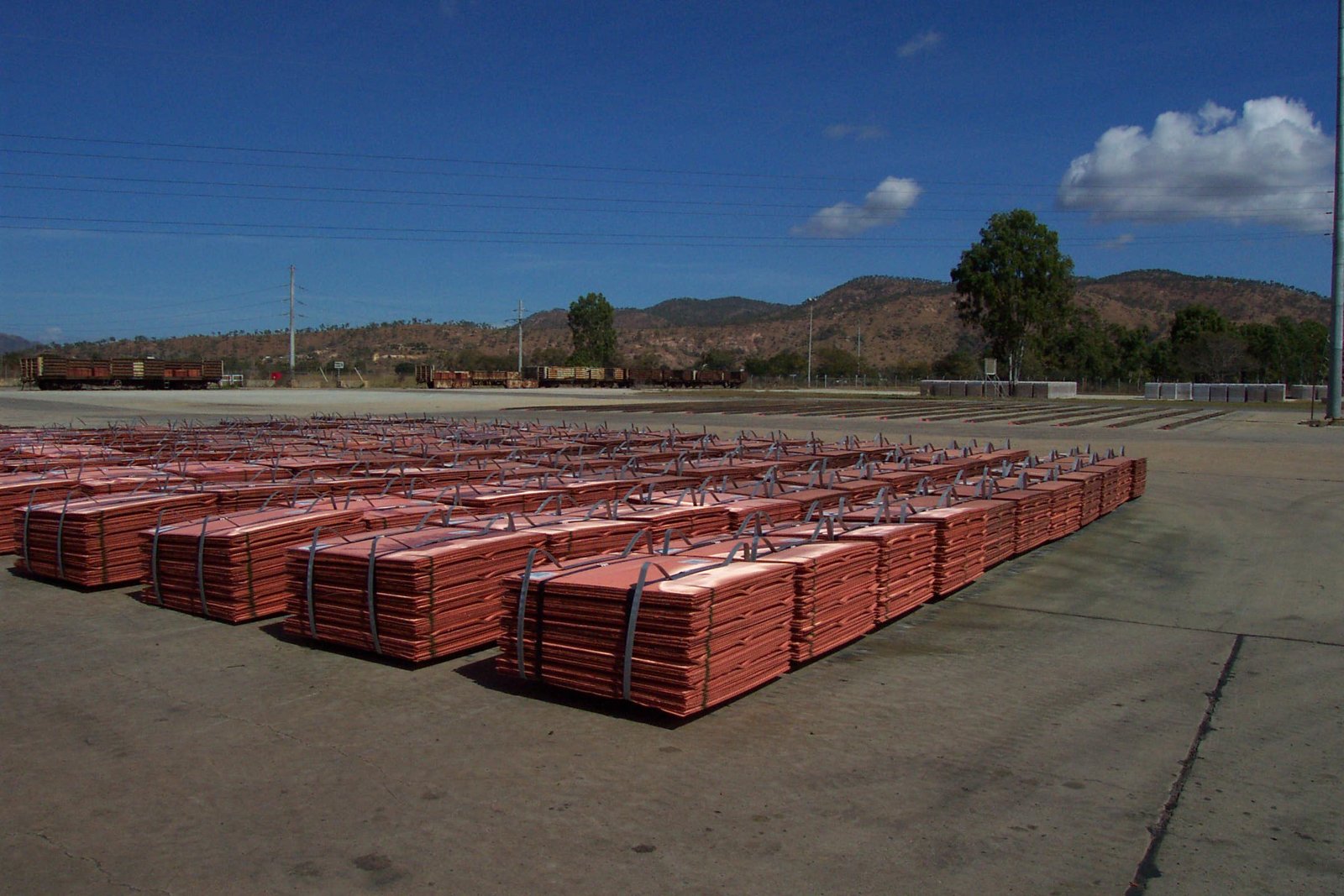
Copper and aluminum prices are determined first and foremost on the London Metal Exchange, and the domestic market aligns with them.
From the Global Price to Your Market Price
The domestic benchmark price of copper and aluminum is usually obtained from a combination of three things: the global LME price, the exchange rate, and the formulas announced by the Ministry of Industry, Mine and Trade and the Iran Mercantile Exchange. This means that when the global copper price rises or the dollar surges, both will show themselves in the domestic market price with a slight delay.
| Factor | Effect on Non-Ferrous Metal Prices |
|---|---|
| London Metal Exchange (LME) | Main reference for the global prices of copper, aluminum, zinc, and lead |
| Dollar exchange rate | Converts the global price into rials; a dollar surge has a direct effect |
| Ministry of Industry, Mine and Trade and Iran Mercantile Exchange formula | Determines the domestic benchmark price based on LME and the exchange rate |
| Domestic supply and demand | Short-term fluctuation around the benchmark price |
How to Use This Understanding
- Follow the price trend of copper and aluminum on the LME, even on a weekly basis.
- Monitor the dollar exchange rate at the same time, because the domestic price depends on both.
- Before making a large-volume purchase, look at the global trend, not just the current domestic market price.
Anyone who views the domestic price alongside the LME and the dollar understands the real direction of prices much sooner than someone who looks only at the local market.
Frequently Asked Questions
بورس فلزات لندن (LME) چه نقشی در قیمت مس دارد؟
LME مرجع جهانی قیمت فلزات پایه مثل مس، آلومینیوم، روی و سرب است. قیمت پایهٔ این فلزات در بازار جهانی آنجا کشف میشود و بازار داخلی ایران هم با آن هماهنگ میشود.
چرا قیمت فلزات رنگی از فولاد بینالمللیتر است؟
چون فولاد بیشتر تحت تأثیر عرضه و تقاضای داخلی و بورس کالای ایران است، اما فلزات رنگی کالای جهانیاند و قیمت پایهشان مستقیم از LME و نرخ دلار میآید.
قیمت داخلی چطور از LME بهدست میآید؟
قیمت پایهٔ داخلی معمولاً از ترکیب قیمت جهانی LME، نرخ ارز و فرمولهای اعلامی وزارت صمت و بورس کالا محاسبه میشود؛ یعنی هم قیمت جهانی و هم دلار در آن اثر دارند.
Reader comments
Be the first to share your experience with this article.