
The price of angles and channels depends on billets and sheets, the dollar exchange rate, the Commodity Exchange, and the difference between rolled and pressed products. Let’s become familiar with these factors and their effects on buying and selling.
The price of an angle and channel is not an independent figure; it is the result of several forces occurring simultaneously. A market participant who only looks at today’s price is always one step behind, but someone who follows these factors together can anticipate the market’s direction sooner.
The Price Chain from Billets to Sections
Rolled angles and channels are made from billets and steel sections whose base prices are discovered weekly on the Commodity Exchange, and part of this formula depends on the dollar exchange rate. When the price of raw materials rises, the price of angles and channels also increases, with a slight delay.
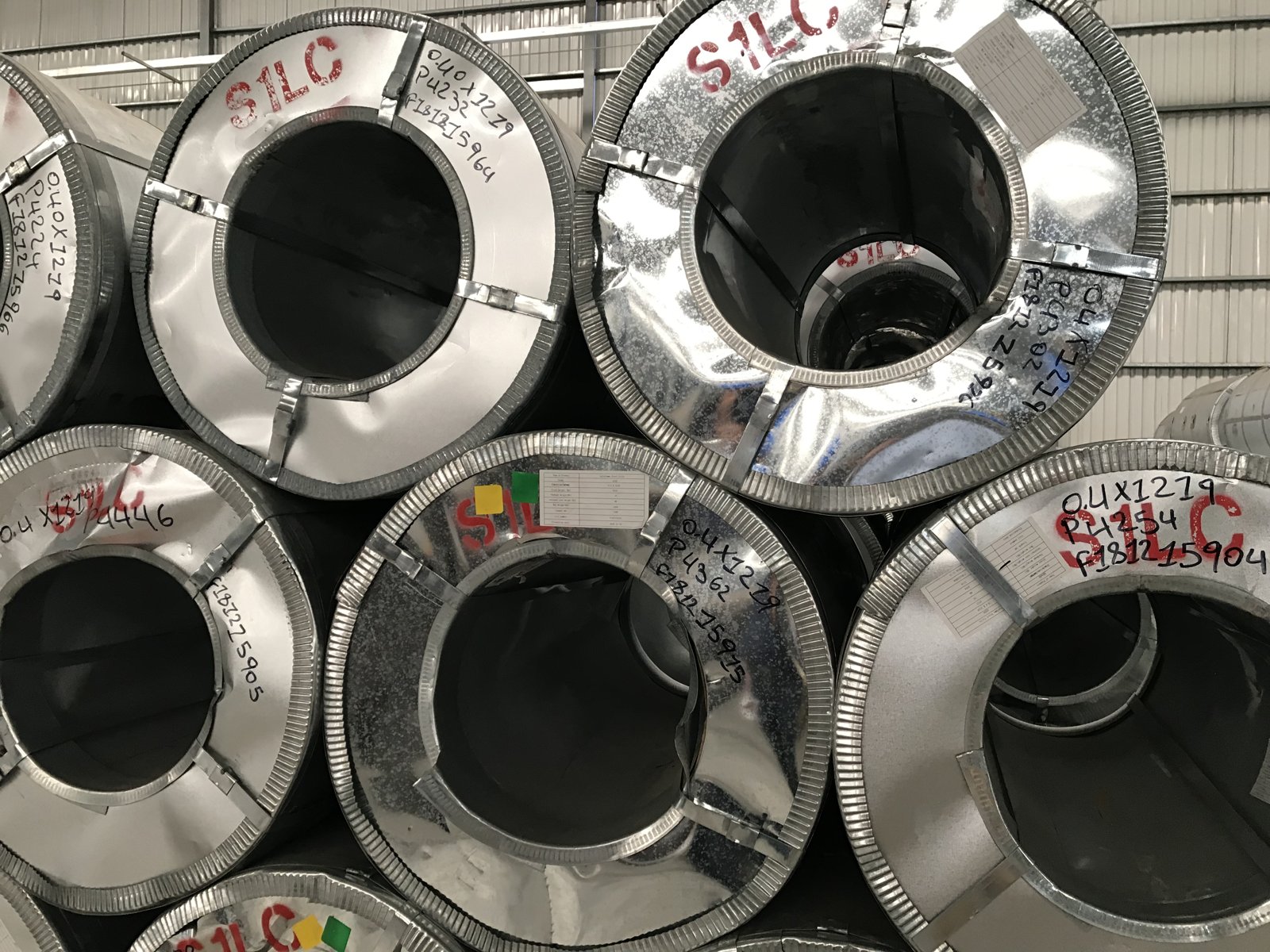
The price of angles and channels does not move independently of the billet and sheet chain; monitoring this chain provides a more complete picture.
Key Factors at a Glance
| Factor | Effect on Price |
|---|---|
| Price of billets and sections | The main basis; an increase directly affects the price of angles and channels |
| Dollar exchange rate | Part of the Commodity Exchange base-price formula depends on the dollar |
| Difference between rolled and pressed products | Pressed angles are cheaper; monitoring this gap is important when buying |
| Construction season | High demand in spring and summer can drive prices up |
How to Use This Knowledge
- Monitor the weekly price of billets and sections and the dollar exchange rate together.
- Keep an eye on the price gap between rolled and pressed products to know where it is more economical.
- Before making a bulk purchase during the high-demand season, review the recent trend in raw-material prices.
No one knows tomorrow’s price precisely, but someone who considers these factors together is much less likely to be caught off guard.
Why Quoting Angle and Channel Prices Is More Complex Than Rebar
For rebar, only the diameter and mill are important, but for angles and channels, you must simultaneously account for the type (rolled or pressed), size, whether the product is light or heavy, and the mill when determining the price. This means that two products that appear to be “6 angle” can have different actual prices. If you do not account for these differences in your quotations, you will either incur losses or lose the customer by offering an unrealistic price.
Accurate pricing in this category is itself a sales skill; someone who correctly reflects the differences between rolled and pressed products and between light and heavy products in the price both preserves their own profit and maintains customer trust.
Frequently Asked Questions
مهمترین عامل قیمت نبشی و ناودانی چیست؟
قیمت شمش و مقاطع فولادی که پایهاش هفتگی در بورس کالا کشف میشود و بخشی از آن به نرخ دلار وابسته است. نبشی و ناودانی نوردی از همین زنجیره قیمت میگیرند.
چرا نبشی پرسی معمولاً ارزانتر از نوردی است؟
چون پرسی از خمکردن ورق ساخته میشود و فرآیند و کیفیتش با محصول نوردی فرق دارد. همین باعث میشود قیمت پرسی پایینتر باشد و رصد این فاصله برای خرید مهم است.
فصل ساختوساز چطور روی قیمت اثر میگذارد؟
در فصلهای پرکار ساختوساز، تقاضا برای نبشی و ناودانی بالا میرود و همین میتواند قیمت را نسبت به فصلهای کمکار افزایش دهد.
Reader comments
Be the first to share your experience with this article.