
Angle and channel come as hot-rolled or pressed, equal or unequal leg, light or heavy, and in many sizes — this variety makes registering the right product code in Iran's e-invoicing system critical.
The product diversity in the angle and channel market is high: rolled or pressed, equal-leg or unequal-leg, light or heavy channels, and multiple sizes. This diversity makes accurate invoice registration in the Taxpayers’ System require greater precision, especially when the transaction is tonnage-based and high-value.
Four points to check on every invoice
| Item | Taxpayers’ System requirement | Why it is more sensitive here |
|---|---|---|
| Unique invoice identifier | Unique code for each official invoice | The high value of the tonnage-based transaction makes errors more noticeable during audits |
| Parties’ economic codes | Buyer’s and seller’s codes | Large-volume transactions are more often with legal entities and project-based customers |
| Line-item product code | The correct code for each combination of type, size, and rolled/pressed production | The high diversity of these sections makes code selection more difficult |
| Precise product specifications | Type, size, thickness, rolled or pressed | It must correspond exactly to the actual cargo |
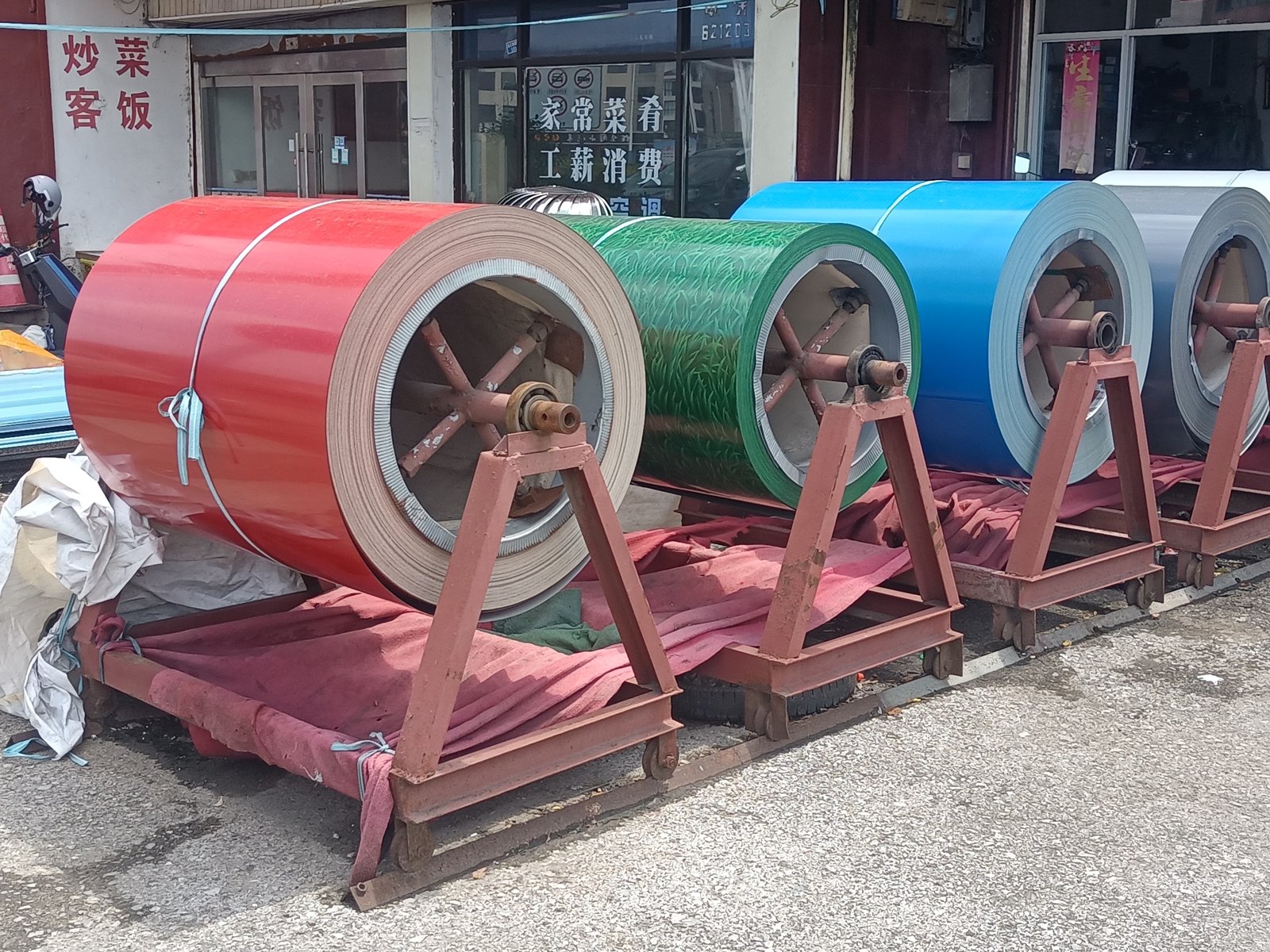
The diversity in the types and sizes of angles and channels makes accurately registering the product code in the Taxpayers’ System more demanding.
Why an incorrect product code creates problems
If you register a rolled product code for a pressed angle, or mistake a light channel for a heavy one, this discrepancy will appear in the quarterly value-added tax report and may lead to follow-up with the Tax Administration. Since transactions involving these sections are usually tonnage-based, the error is repeated on a larger scale.
Practical steps before submitting the invoice
- Match the precise section type (angle/channel, equal-leg/unequal-leg, light/heavy, rolled/pressed) with the product code.
- Enter the size and thickness based on the actual cargo, not from memory.
- Reconfirm the buyer’s economic code, especially for a new customer.
- Register the invoice in the time period specified by the system, particularly for tonnage-based transactions.
This few minutes of precision prevents costly subsequent tax follow-ups for a transaction that is both tonnage-based and high-value, while its product diversity makes errors more likely.
An additional point
For a mixed rolled and pressed shipment in a single order, physically separating the two types in the warehouse before invoicing reduces the likelihood of selecting the wrong code.
Frequently Asked Questions
چرا انتخاب کد کالا برای نبشی و ناودانی دقت میخواهد؟
چون این مقاطع در انواع نوردی و پرسی، بال مساوی و نامساوی، سبک و سنگین و سایزهای متعدد عرضه میشوند و هر ترکیب میتواند کد کالای خودش را داشته باشد؛ انتخاب اشتباه باعث مغایرت در گزارش فصلی میشود.
چه اطلاعاتی باید در فاکتور رسمی درج شود؟
شناسهٔ یکتای فاکتور، کد اقتصادی خریدار و فروشنده، کد کالای درست هر ردیف، و مشخصات دقیق (نوع مقطع، سایز، ضخامت، نوردی یا پرسی).
چرا خطای ثبت اینجا سنگین تمام میشود؟
چون معاملات نبشی و ناودانی معمولاً تناژی و پرمبلغاند و هر خطای ثبت، رقم مطلق بزرگتری در گزارش ایجاد میکند که در ممیزی محسوستر است.
Reader comments
Be the first to share your experience with this article.