
Delivering angle bars and channels has a few specific checkpoints: checking flange and web thickness, distinguishing rolled from pressed sections, and inspecting section straightness and twisting. Let’s go through the step-by-step checklist.
You receive a shipment of ۶ angle bars, and the number of sections is correct. A few weeks later, the customer comes back and says the angle bars were pressed rather than rolled, or that their thickness is below specification. These are the things that cannot be identified by counting the sections at the time of delivery and must be checked separately.
Why the Checklist for These Sections Is Different
For angle bars and channels, three things must be inspected at the same time: flange and web thickness (which determine weight and strength), production type (rolled or pressed), and section straightness and condition. All three may appear correct at first glance but actually have problems.
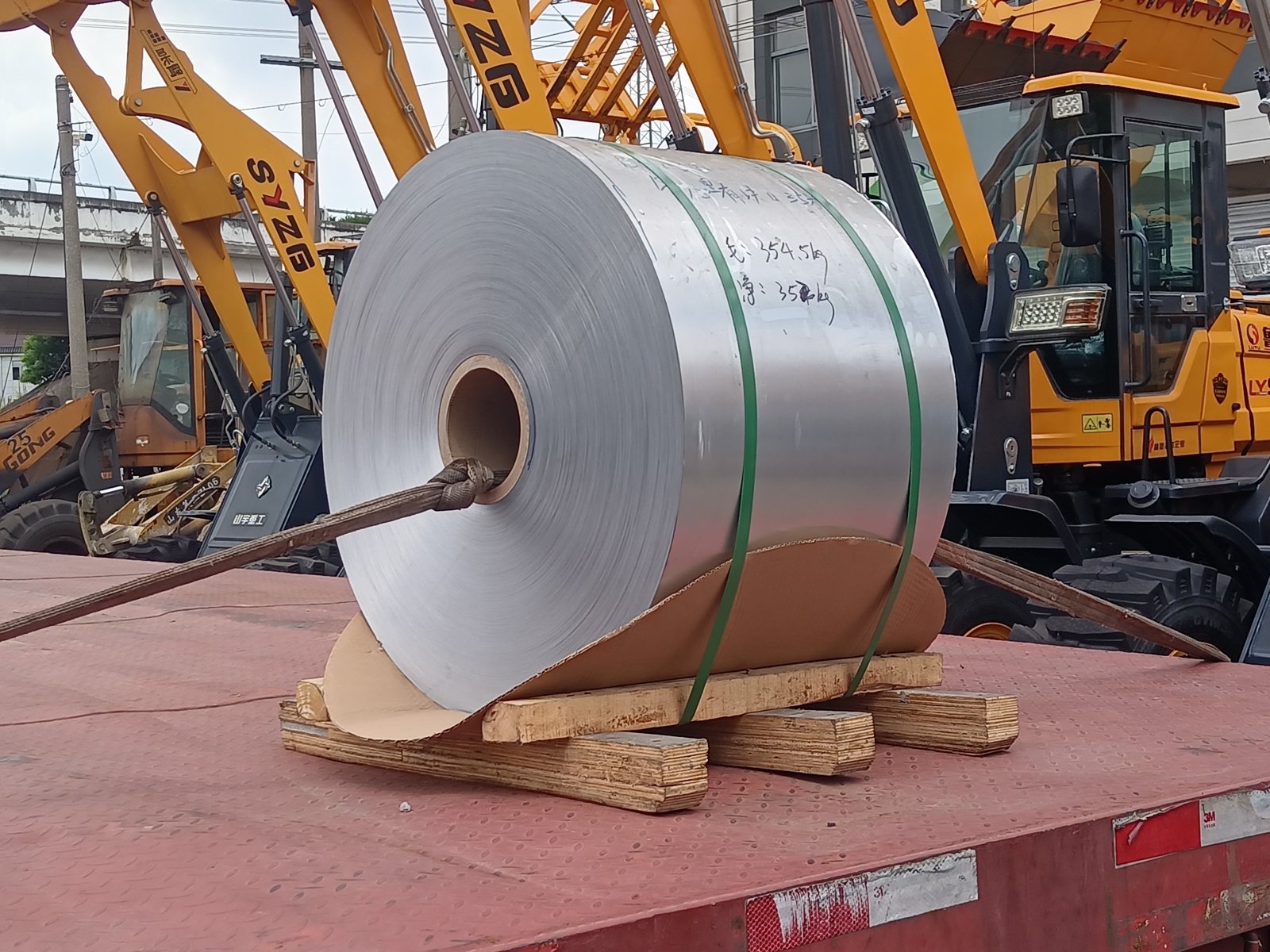
Inspecting flange thickness and production type is exactly what counting the number of sections can never reveal.
Step-by-Step Checklist
- Before unloading: Check the invoice and waybill against the size, type (angle bar/channel, light/heavy), rolled or pressed production, and number of sections.
- Thickness check: Using calipers, measure the flange and web thickness at several points on several different sections.
- Distinguishing rolled/pressed: Look at the outer corner; a curve means pressed, while a sharp corner means rolled.
- Straightness check: Visually inspect the sections for twisting, bending, and crookedness.
- Weight control: Compare the theoretical total weight of the shipment with the weighbridge reading.
- In case of discrepancy: Take photos before settlement and contact the seller.
Visual Signs That Should Not Be Ignored
| Sign | What It Indicates | Action |
|---|---|---|
| Curve on the outer corner | Pressed angle bar instead of rolled | Compare with the order; if there is a discrepancy, request correction |
| Twisting or crookedness of the section | Improper transportation or storage | Set aside the defective section for structural work |
| Deep rust | Prolonged storage in a humid environment | Check the depth of the rust and request a discount if it is severe |
| Difference in thickness between sections | Possibility of a mixed shipment | Check several sections from different points in the shipment |
These few minutes of inspection are a negligible cost for a product traded by the kilogram and used for structural work, compared with the risk of a problematic shipment.
Frequently Asked Questions
مهمترین چک هنگام تحویل نبشی و ناودانی چیست؟
اندازهگیری ضخامت بال و جان با کولیس در چند نقطه؛ چون کمضخامتی مستقیم روی وزن و استحکام اثر میگذارد و در ظاهر راحت دیده نمیشود.
چطور بفهمیم نبشی نوردی است یا پرسی؟
به گوشهٔ بیرونی نگاه کنید: انحنای گوشه نشانهٔ پرسی و گوشهٔ تیز ۹۰ درجه نشانهٔ نوردی است. اگر نوردی سفارش دادهاید، همان لحظهٔ تحویل این را چک کنید.
چرا راستی شاخه مهم است؟
شاخهٔ نبشی یا ناودانی که پیچخورده یا کج است، در کار سازهای مشکل ایجاد میکند و ممکن است نشانهٔ نگهداری یا حمل نامناسب باشد.
Reader comments
Be the first to share your experience with this article.