
Non-ferrous metals are traded in the forms of billets, wire rods, sheets, and scrap, each with its own customers and turnover rate. Learn how to choose the right form for inventory management.
Unlike a single rebar category, non-ferrous metals are traded in highly diverse forms: from cathodes and raw billets to wire rods, sheets, and even scrap. Each form has its own customers and turnover rate, and choosing which one to stock directly affects your tied-up capital.
The Chain of Forms from Raw to Finished
Copper starts with cathodes, slabs, and billets (the initial form), is converted into wire rods and drawn wire (the intermediate form), and ultimately reaches sheets, tubes, and finished products. Aluminum is also converted from billets into profiles and sheets. Alongside these, scrap from both metals has a large market, because the recycling value of non-ferrous metals is much higher than that of iron.
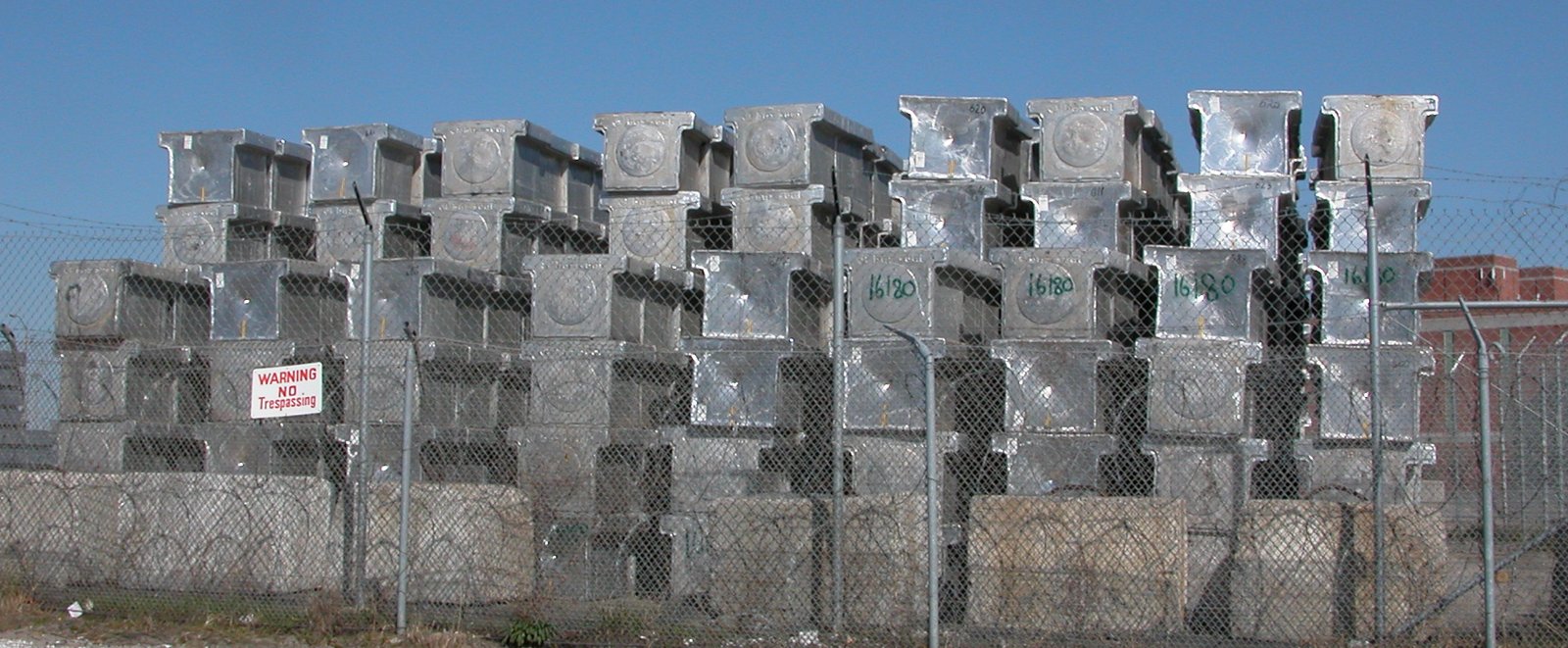
A billet is the initial form of aluminum; from here, it is converted into profiles, sheets, and finished products.
Guide to Choosing the Form for Inventory
| Form | Main Customer | Inventory Note |
|---|---|---|
| Cathode/Billet | Melting and wire-rod-making workshops | High value; ties up substantial capital |
| Wire Rod/Wire | Wire and cable manufacturers, electrical applications | Good turnover in most markets |
| Sheet/Tube | Manufacturing industries, installations | Consumable; but dimensional variety is capital-intensive |
| Scrap | Remelting workshops | Variable price and quality; should be traded separately |
Why Balance Among Forms Matters
Stocking a large volume of a high-value form such as cathode ties up substantial capital, and if its turnover is slow, it results in a loss. Conversely, not having the high-demand form in your region means losing customers. The best approach is to understand your actual customers: if most of them are wire and cable workshops, wire rod should be the priority; if they are manufacturing industries, sheets and tubes should take precedence.
In non-ferrous metals, where the value per kilogram is high, every wrong inventory decision costs several times more than in steel; that is why understanding the forms and customers becomes doubly important.
Practical Note on Scrap
Never mix copper and aluminum scrap, even for temporary storage; separating the two after they have been mixed is practically impossible and costly. The best method is to separate them as soon as the load enters the warehouse and store them in two completely separate compartments.
Frequently Asked Questions
فرمهای رایج مس در بازار کداماند؟
کاتد و اسلب و بیلت (فرم اولیه)، مفتول و سیم (فرم کشیدهشده)، ورق و لوله (فرم نهایی) و قراضه (برای ذوب مجدد). هر فرم مشتری خودش را دارد.
قراضه چه جایگاهی در بازار فلزات رنگی دارد؟
قراضهٔ مس و آلومینیوم بازار بزرگی دارد چون ارزش بازیافت این فلزات بالاست؛ اما قیمت و کیفیتش با فلز نو فرق دارد و باید جدا معامله شود.
کدام فرم برای انبار کوچک مناسبتر است؟
فرمهایی که گردش سریعتری در منطقهٔ شما دارند؛ برای بیشتر بازارها مفتول و ورق مصرفیتر از شمش خاماند، اما این به نوع مشتریان شما بستگی دارد.
Reader comments
Be the first to share your experience with this article.