
By knowing the density of each non-ferrous metal, you can both estimate the weight of a piece and assess its purity without a laboratory. Let’s become familiar with the density table and the method.
In non-ferrous metals, density is not merely a physical number; it is a working tool. With this single number, you can both estimate the weight of a piece before weighing it and, without any laboratory, make an initial assessment of whether the metal in front of you is really what it claims to be or not.
Density Table of Non-Ferrous Metals
Every metal has its own specific density, and this difference is the key. The table below shows the density of common non-ferrous metals on the market; memorize these figures, because they will come in handy many times.
| Metal | Density (grams per cubic centimeter) | Note |
|---|---|---|
| Copper | ۸.۹۶ | Heavy and expensive; the basis of wire, pipe, and busbar |
| Brass | ۸.۴ to ۸.۷ | An alloy of copper and zinc; density between the two |
| Zinc | ۷.۱۴ | Lighter than copper; used in galvanizing and alloys |
| Aluminum | ۲.۷ | Very light; about one-third the weight of copper |
| Lead | ۱۱.۳۴ | The heaviest common metal on the market |
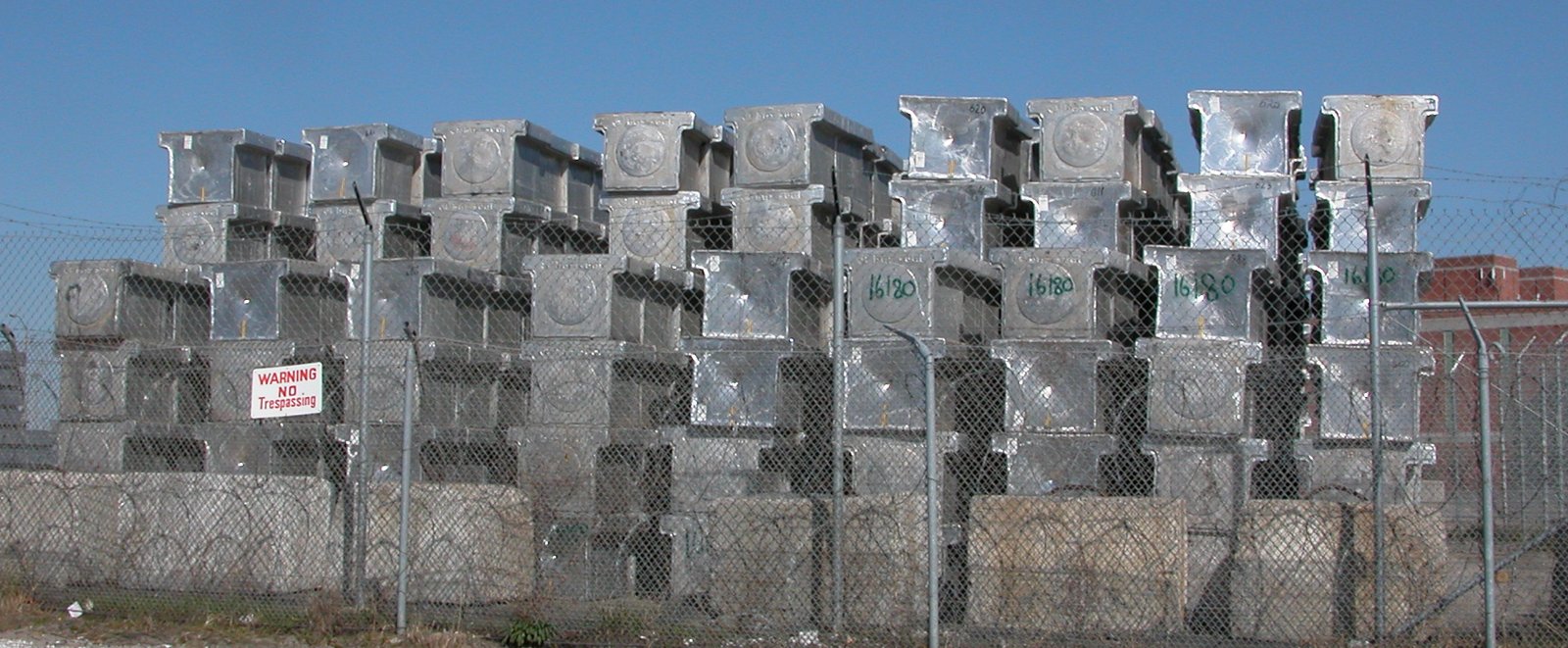
With a density of ۲.۷, aluminum weighs about one-third as much as copper; this lightness is both an advantage and a distinguishing characteristic.
How to Estimate Purity Without a Laboratory
The simple method is to take a piece with a measurable volume, weigh it, and divide the weight by the volume to obtain the actual density. If the figure is close to the reference density of that metal, the purity is acceptable; if it is noticeably lower or higher, there may be impurities, an inferior alloy, or a different metal. This method does not replace precise laboratory analysis, but for a trader at the point of transaction, it is the fastest possible assessment.
This same simple relationship between weight and volume is the difference between someone who buys blindly and someone who knows exactly what they are buying.
A Practical Point About Alloys
Alloys such as brass have a density range rather than a fixed number because their exact composition varies. If the obtained figure falls within this range, do not worry; however, if it is completely outside the stated range, the alloy’s composition may differ from what has been claimed, or another metal may have been mixed with it. For major alloy transactions, it is better to accompany this estimate with an additional test.
Frequently Asked Questions
چگالی فلزات رنگی رایج چقدر است؟
مس حدود ۸.۹۶، آلومینیوم ۲.۷، برنج ۸.۴ تا ۸.۷، روی ۷.۱۴ و سرب ۱۱.۳۴ گرم بر سانتیمتر مکعب. این اعداد پایهٔ محاسبهٔ وزن و سنجش خلوصاند.
چطور با چگالی خلوص را بسنجیم؟
وزن یک قطعه با حجم مشخص را اندازه بگیرید و چگالی واقعی را حساب کنید؛ اگر عدد بهدستآمده با چگالی مرجع آن فلز نخواند، احتمال ناخالصی یا آلیاژ نامرغوب وجود دارد.
چرا آلومینیوم اینقدر سبکتر از مس است؟
چون چگالی آلومینیوم (۲.۷) حدود یکسوم مس (۸.۹۶) است. همین سبکی، هم مزیت کاربردی آلومینیوم است و هم یک نشانهٔ سریع برای تشخیص آن از فلزات سنگینتر.
Reader comments
Be the first to share your experience with this article.