Several letters and numbers are usually engraved on the body of an industrial valve: API, ASME, a pressure class, and a material code. These are not decorative; each has a precise meaning and is key to distinguishing a reliable valve from a questionable one. A seller who understands this language can verify authenticity much more easily.
The Language of Standards
The key standards for industrial valves each cover a specific aspect: API 600 and API 602 are standards for the design of gate valves, API 598 concerns testing and inspection, ASME B16.34 defines design and the pressure–temperature relationship, and ASME B16.5 concerns flanges. When these marks appear on the body, it means that the valve claims to have been manufactured according to that standard.
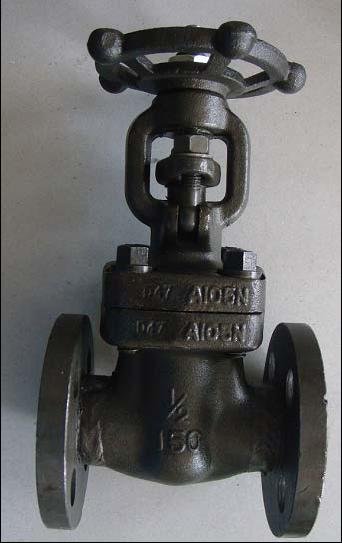
API and ASME marks on the valve body have specific meanings, but the factory certificate confirms them.
From Mark to Certificate
| Standard | What it covers |
|---|
| API 600 / 602 | Design of steel gate valves |
| API 598 | Valve testing and inspection |
| ASME B16.34 | Design and pressure–temperature relationship |
| ASME B16.5 | Flange dimensions and class |
Why Brand and Certificate Complement Each Other
The mark on the body is a claim; the certificate and factory testing are proof. Reputable brands generally provide traceable documentation and have more consistent casting and sealing quality. For sensitive services such as oil and gas and steam, purchasing a certified product from a reputable brand provides assurance that justifies the higher cost. For general low-pressure applications, more economical options are also acceptable, provided that the class and material are correct.
A professional seller understands both the language of standards and where the certificate must be taken seriously, as well as where the application justifies a more economical option.
A Practical Note About Brands in the Iranian Market
Iran’s industrial valve market is a combination of domestic production and imports (European, Korean, Japanese, and Chinese). Reputable European and East Asian brands are generally more expensive, but they offer traceable certification and quality; more economical brands work for general low-pressure applications. What matters is selecting the brand and certification level appropriate to the sensitivity of the service for each application, rather than always selling the most expensive or always the cheapest option.
This very alignment of brand level with application sensitivity is the skill that distinguishes an experienced valve seller from a seller focused solely on price.

Reader comments
0 comments
No comments yet
Be the first to share your experience with this article.