
The valve body material must match the fluid and operating conditions: cast iron for water, carbon steel for pressure and steam, stainless steel for corrosive environments, and bronze for specific applications.
Two valves with the same shape and class can be made from two completely different materials, and this material determines whether the valve will last in actual service or fail very soon. Selecting the body material plays as important a role in valve safety and service life as the pressure class.
Each Material for One Condition
Cast iron is inexpensive and suitable for water and general low-pressure fluids, but it is brittle and poses risks under high pressure and temperature. Carbon steel (WCB) is more resistant and is used for pressure, steam, and higher temperatures. Stainless steel (CF8 or CF8M, the cast equivalents of ۳۰۴ and ۳۱۶) is used for corrosive fluids and hygienic and marine applications. Bronze is also used in some specific applications and smaller connections.
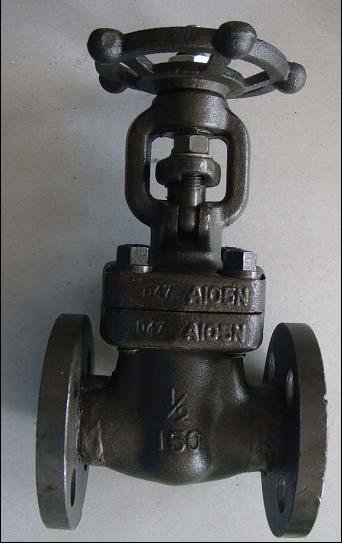
The valve body material must match the fluid, pressure, and operating temperature; choosing incorrectly means premature failure or danger.
Material Selection Table
| Body material | Suitable for | Note |
|---|---|---|
| Cast iron | Water and general low-pressure fluids | Inexpensive but brittle; not for high pressure/temperature |
| Carbon steel (WCB) | Pressure, steam, and higher temperatures | Resistant and widely used in industry |
| Stainless steel (CF8/CF8M) | Corrosive, hygienic, and marine fluids | More expensive but essential in corrosive environments |
| Bronze | Special and smaller connections | For some specific applications |
Why the Fluid and Conditions Are Key Questions
If a customer buys a cast iron or carbon steel valve for a corrosive-fluid line, it may soon suffer from corrosion and leakage; stainless steel is required there. Conversely, selling an expensive stainless steel valve for a simple water line is an unnecessary expense. Asking about the type of fluid, operating pressure, and operating temperature is what leads you to the right material.
Choosing the right body material guarantees both the valve's service life and your credibility as a seller.
An Additional Point About the Material Mark
On the body of every standard valve, the material is usually stamped with an abbreviated code, such as WCB or CF8M. Match this code with the certificate and order, because sometimes two materials that look similar can perform very differently against corrosion.
Frequently Asked Questions
جنس بدنهٔ شیر صنعتی چه گزینههایی دارد؟
رایجترینها چدن، کربن استیل (WCB)، استنلس استیل (CF8/CF8M معادل ۳۰۴/۳۱۶) و برنز هستند. هرکدام برای شرایط سیال و فشار و دمای متفاوتی مناسباند.
چه زمانی باید سراغ بدنهٔ استیل رفت؟
وقتی سیال خورنده است یا بهداشت و مقاومت به خوردگی اهمیت دارد، مثل صنایع شیمیایی، غذایی و دریایی؛ استیل گرانتر است اما در این شرایط ضروری.
چرا شیر چدنی برای فشار و دمای بالا مناسب نیست؟
چون چدن شکنندهتر است و در فشار و دمای بالا یا ضربهٔ مکانیکی ممکن است ترک بخورد؛ برای این شرایط کربن استیل یا استیل انتخاب ایمنتری است.
Reader comments
Be the first to share your experience with this article.