
Wire and coils are supplied in plain, ribbed, and galvanized types, and in both coil and cut-length forms, each with its own application. Let’s learn about the selection guide for sales.
The customer says they want wire, but that is only the beginning of the conversation. Plain or ribbed? Black or galvanized? Coil or cut length? The answers to these three questions determine exactly which product you should sell them and whether it is suitable for their work.
Plain, Ribbed, and Galvanized
Plain wire has a smooth surface and is mostly used for drawing into wire, producing mesh, and making netting. Ribbed wire, which is also supplied as ribbed coils in grades A2 and A3, has a ribbed surface and is suitable for construction applications where adhesion to concrete is important. Galvanized wire is the same wire protected against rust with a zinc coating, and is used in outdoor and humid environments.
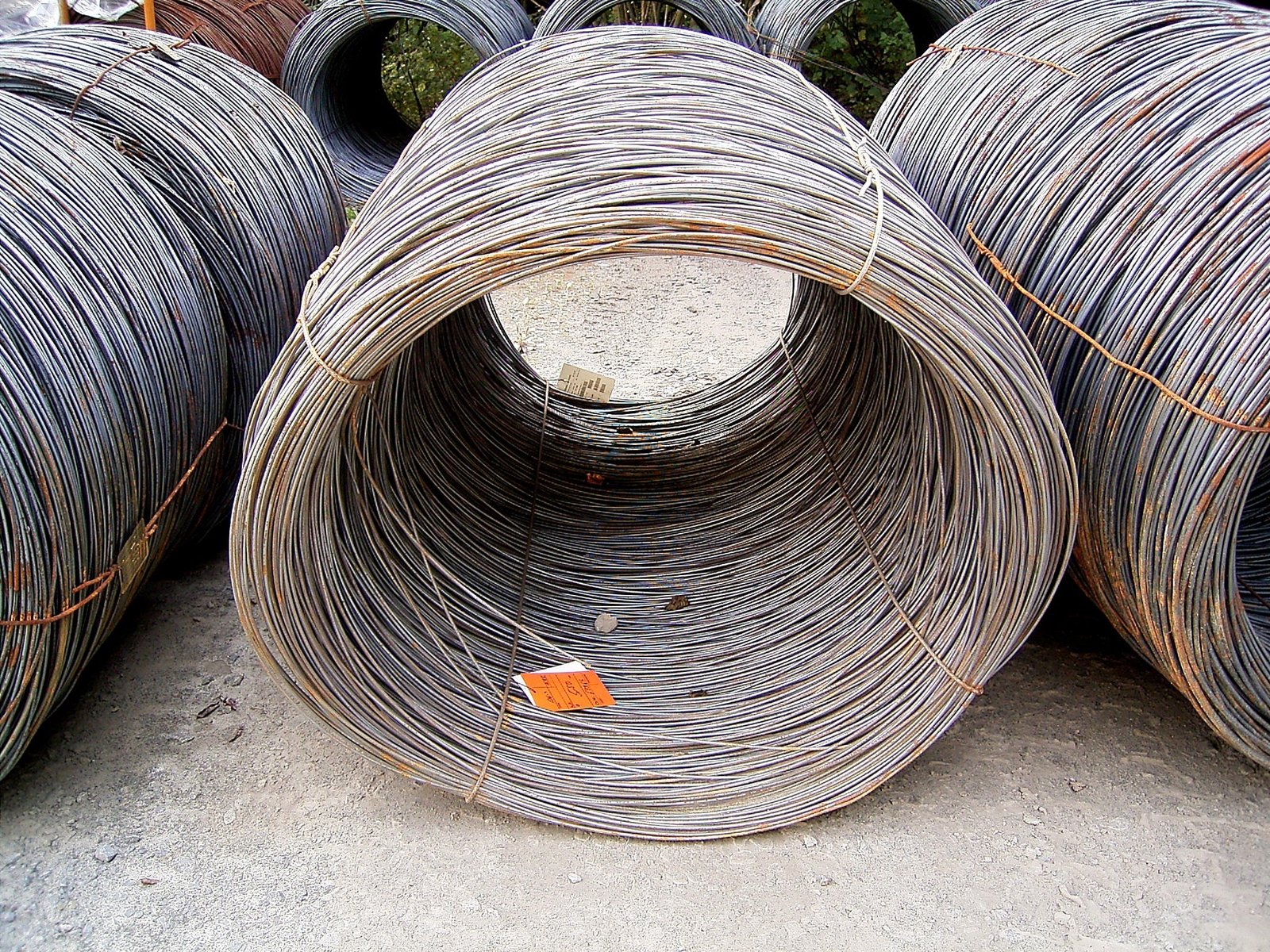
The choice between plain, ribbed, and galvanized wire depends first and foremost on the customer’s application and usage environment.
Practical Comparison for Sales
| Wire type | Feature | Common application |
|---|---|---|
| Plain | Smooth surface | Drawing into wire, mesh, netting, ties |
| Ribbed (A2/A3) | Ribbed surface | Construction applications requiring concrete adhesion |
| Galvanized | Rust-resistant zinc coating | Chain-link mesh, fencing, outdoor applications |
| Coil versus cut length | Continuous loop or cut piece | Coil for production, cut length for direct use |
Why Asking About the Application Saves the Sale
If you sell black wire for an outdoor fence, the customer will return a few months later with a rust problem. If you sell expensive galvanized wire for a temporary indoor job, you have imposed an extra cost on them. A simple question about the environment and application prevents both mistakes.
This knowledge turns you from merely a salesperson into a trusted advisor for the customer.
An Additional Point About the Quality of the Galvanized Coating
Not all galvanized wires have the same coating quality. Hot-dip galvanizing, in which the wire is immersed in a bath of molten zinc, provides a thicker and more durable coating than electro-galvanizing, which is carried out through electroplating and produces a thinner layer. For long-term outdoor applications such as fencing, hot-dip galvanized wire is a more reliable choice, even if its price is slightly higher.
Frequently Asked Questions
تفاوت مفتول ساده و آجدار چیست؟
مفتول ساده سطح صاف دارد و برای کشش، مش و سیم استفاده میشود؛ مفتول آجدار (کلاف آجدار A2/A3) سطح دارای آج دارد و بیشتر برای مصارف ساختمانی که چسبندگی به بتن مهم است بهکار میرود.
چه زمانی مفتول گالوانیزه لازم است؟
وقتی مفتول در محیط مرطوب یا فضای باز استفاده میشود، مثل توری حصاری و فنس؛ پوشش روی از زنگزدگی جلوگیری میکند. برای مصارف داخلی و موقت، مفتول سیاه کافی است.
تفاوت عرضه بهصورت کلاف و شاخه چیست؟
کلاف بهصورت حلقههای پیوسته عرضه میشود و برای فرآیندهای کشش و تولید مناسب است؛ شاخه، مفتول صافشده و بریدهشده در طولهای مشخص است که برای مصرف مستقیم راحتتر است.
Reader comments
Be the first to share your experience with this article.