
In industrial valves, fraud usually involves passing off a cheaper body material or a forged pressure certificate. Learn about the signs of a low-quality valve and how to verify its authenticity.
You buy an industrial valve with a mark indicating class ۳۰۰ and a معتبر standard stamped on its body. But does this mark tell the truth? In industrial valves, unlike a rebar rod, the main danger is not that it weighs less; the danger is that a valve expected to withstand high pressure may actually have a lower-grade material or class and fail at the critical moment.
Why Fraud in Valves Is More Dangerous Than in Raw Materials
An industrial valve is a mechanical component whose function is to control pressurized fluid. If its body material is cheaper than claimed, or its pressure class is lower than the mark on it indicates, it may leak or burst in actual service. Therefore, fraud here is not merely a financial loss; it is also a safety risk.
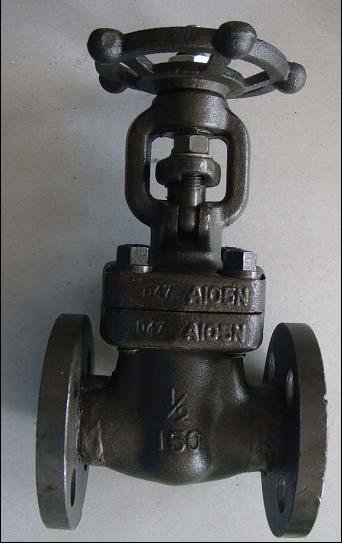
The mark on the valve body indicates the material and pressure class, but only the mill certificate and standard documentation can truly verify them.
Three Axes for Authenticity Verification
| محور | What to check | Why it matters |
|---|---|---|
| Body material | Match the mark (WCB, CF8, cast iron) with the certificate | Passing off a cheaper material reduces pressure and corrosion resistance |
| Pressure class | Match the class mark (۱۵۰، ۳۰۰...) with the service conditions | A class lower than required creates a risk of bursting |
| Casting integrity | Inspect the body for cavities, cracks, and porosity | A casting defect under pressure can lead to leakage or failure |
Why the Mill Certificate Has the Final Say
The mark on the body can be forged, but the mill certificate and factory test documentation (such as a pressure test according to API 598) are the true evidence of quality. For important and project-based transactions, always request the certificate and make sure its specifications match the mark on the valve and the customer's intended service. A professional seller presents these documents transparently.
A few minutes spent checking the mark, certificate, and body integrity is the most essential step before selling or purchasing a component on which the safety of a pressurized system depends.
Frequently Asked Questions
رایجترین تقلب در شیر صنعتی چیست؟
جازدن جنس بدنهٔ ارزانتر بهجای گرید بالاتر (مثلاً چدن بهجای فولاد، یا کربن استیل بهجای استنلس) و ادعای کلاس فشاری بالاتر از چیزی که شیر واقعاً تحمل میکند.
مهر روی بدنهٔ شیر چه اطلاعاتی دارد و چطور تأییدش کنیم؟
مهر معمولاً جنس بدنه، کلاس فشار و استاندارد (مثل API یا ASME) را نشان میدهد. برای تأیید، باید گواهی آنالیز و تست کارخانه را بخواهید، چون مهر بهتنهایی قابل جعل است.
چطور عیوب ریختهگری بدنه را تشخیص دهیم؟
بدنهٔ شیر را از نظر حفره، ترک، تخلخل و ناهمواری سطح بازرسی کنید؛ این عیوب میتوانند تحت فشار به نشتی یا شکست منجر شوند و نشانهٔ ریختهگری بیکیفیتاند.
Reader comments
Be the first to share your experience with this article.