You order a class ۳۰۰ flange and receive something that looks similar at first glance, but its thickness is lower and its bolt holes match the pattern of class ۱۵۰. In flanges and fittings, the main danger is not as simple as an underweight rebar; the danger is that a component which should withstand high pressure has actually been made for lower pressure.
Why Fraud Here Threatens Safety
Flanges and fittings are the joints of a pressurized piping system. If the flange is a lower class, or if the elbow and tee have thin walls, that point becomes the weakest link in the chain and will leak or fail under pressure. For this reason, fraud in these products is not merely a financial loss, but also a serious safety risk.
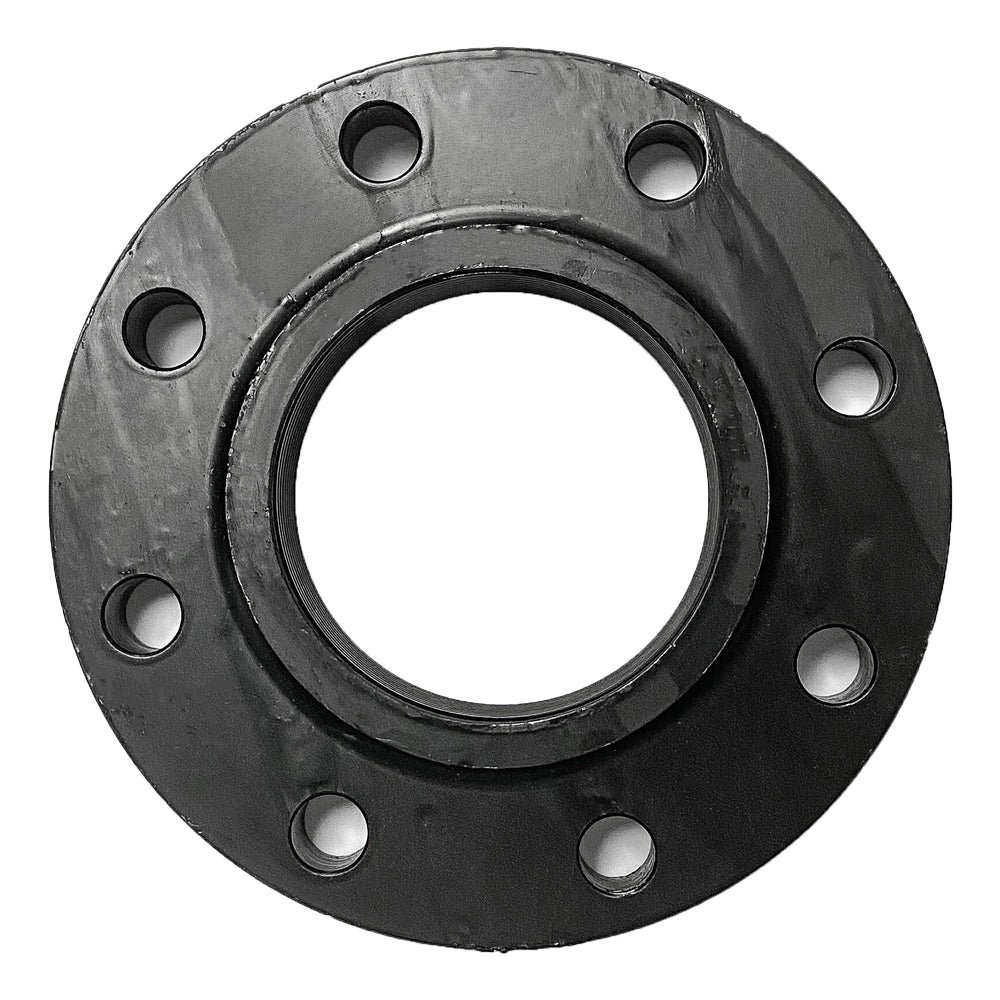
The class and material of a flange are difficult to identify by eye; the marking, thickness, and hole pattern are the keys to identification.
Three Areas to Check
| Area | What to check | Why it matters |
|---|
| Pressure class | Bolt-hole pattern and count, and flange thickness | Class ۱۵۰ and ۳۰۰ have different holes and thicknesses in the same size |
| Material | Match the marking (A105, stainless steel) with the certificate | Cheaper material has lower pressure and corrosion resistance |
| Fitting wall thickness | Measure the wall of the elbow and tee | A thin wall means lower weight and resistance under pressure |
Why Matching the Bolt Holes Matters
A key point is that class ۱۵۰ and ۳۰۰ flanges with the same nominal size have different bolt-hole counts or patterns. If someone substitutes a ۱۵۰ flange for a ۳۰۰ one, it may not even mate with the flange on the other side, or worse, it may be tightened under excessive pressure and fail under operating pressure. Counting and measuring the bolt holes is a simple and effective test.
For project transactions, always request the analysis and test certificate; the marking on the component is a claim, and the certificate is proof.
A Brief Summary
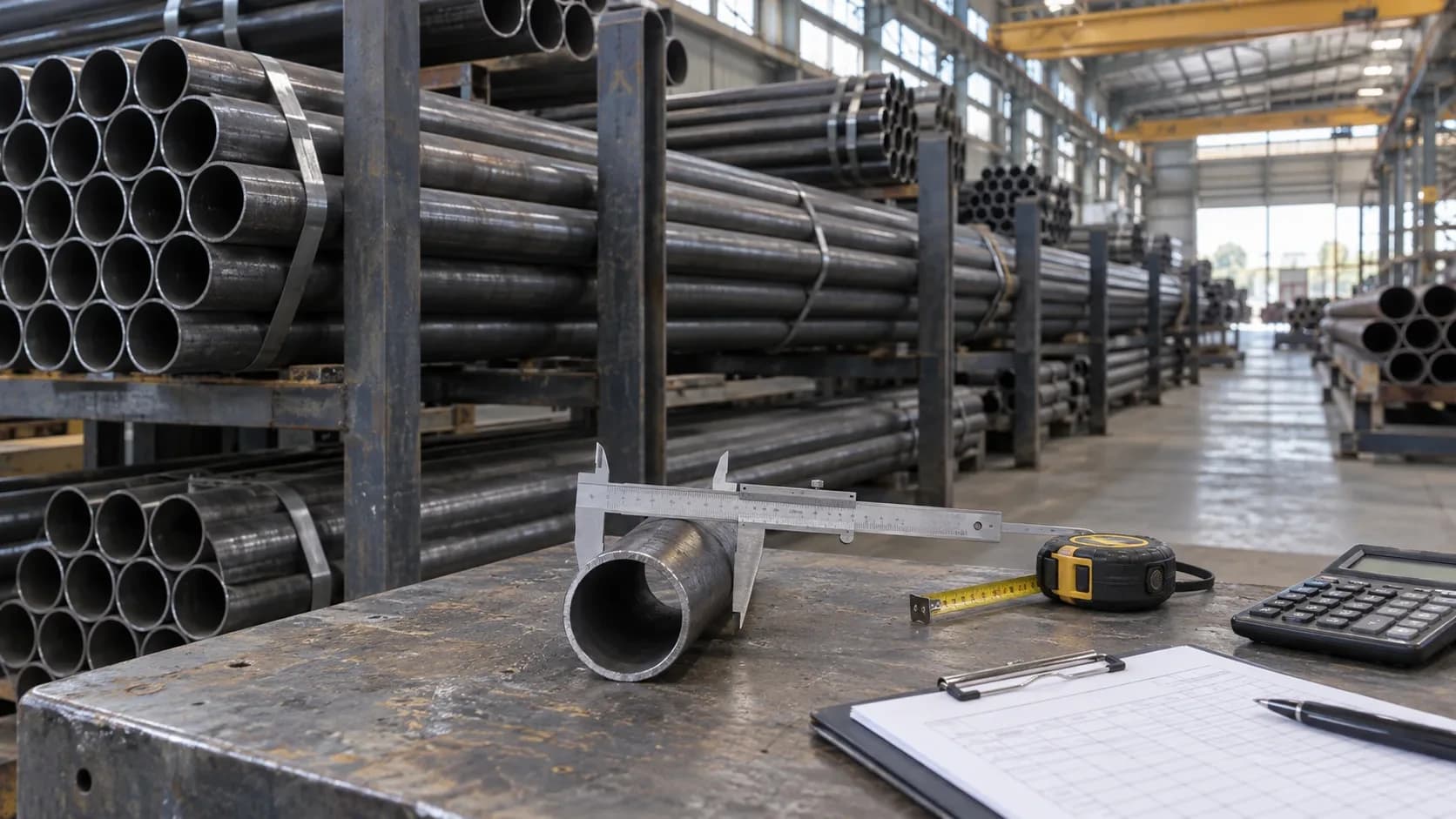
Three simple checks eliminate much of the risk: counting the bolt holes, measuring thickness with a caliper, and requesting a certificate for important transactions.

Reader comments
0 comments
No comments yet
Be the first to share your experience with this article.