
In pipe, fraud usually comes from insufficient wall thickness, not the outside diameter visible to the eye. Read about checking thickness with a caliper and comparing weight.
You buy one length of ۴-inch pipe, and its outside diameter is exactly what you expected. But when you put the total load on the weighbridge, you see a figure lower than it should be. The problem is not the diameter; it is the wall thickness, the very thing that can never be determined just by looking at the end of the pipe unless you measure it accurately.
Why Pipe Differs from Rebar and Sheet in This Respect
In rebar, fraud comes from the diameter, and in sheet from the overall sheet thickness; both are relatively easy to check quickly. In pipe, however, there are two dimensions: the outside diameter, which is visible and can be measured with a tape measure, and the wall thickness, which is more hidden and can only be identified with a caliper or by comparing the weight with a formula. This very hidden nature has made wall thickness the most common place for fraud in the pipe market.
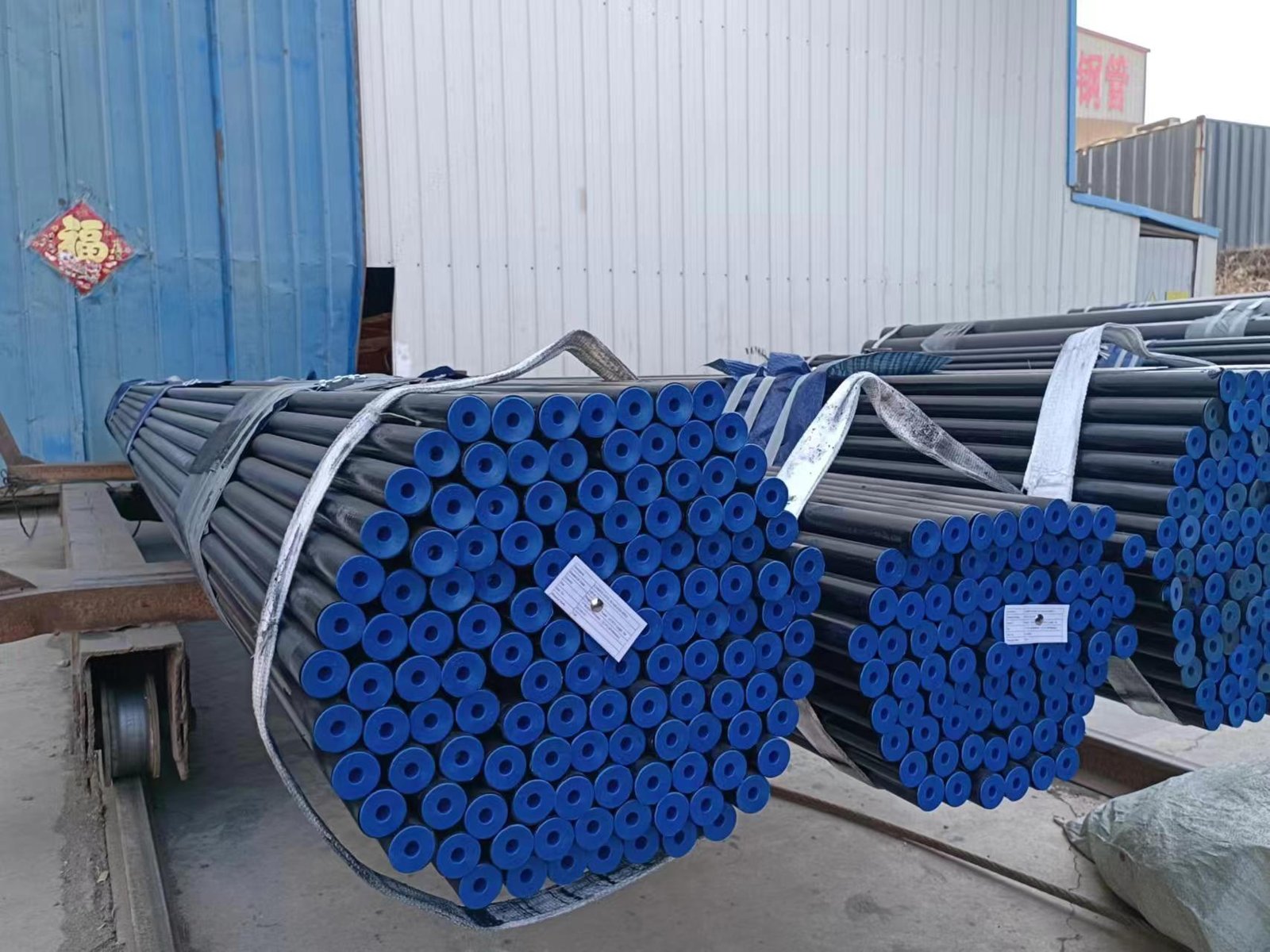
The outside diameter of the pipe is visible, but the wall thickness is what must be measured with a caliper.
Three Simple Checks Before Settlement
| Check | Method | Why It Matters |
|---|---|---|
| Wall thickness | Use a caliper at several points on several different lengths from the load | Insufficient wall thickness is the most common and hidden type of fraud in pipe |
| Weight per meter | Compare with the formula ۰.۰۲۴۶۶ × thickness × (outside diameter − thickness) | A noticeable and consistently downward difference indicates that the actual thickness is lower |
| Actual length of the pipe | Measure several lengths with a tape measure | A length shorter than the standard affects the price just as much as insufficient wall thickness |
A Calculation Example You Can Repeat Yourself
For one length of pipe with an outside diameter of ۱۱۴ millimeters and a thickness of ۴ millimeters: the weight per meter is (۱۱۴ minus ۴) multiplied by ۴ multiplied by ۰.۰۲۴۶۶, equal to approximately ۱۰.۸۵ kilograms, and one ۱۲-meter length weighs approximately ۱۳۰ kilograms. If the actual weighbridge weight was noticeably lower than this figure, it requires further investigation.
A few minutes of measurement with a caliper and a simple calculation are the best investment you can make before settling for a load of pipe.
Frequently Asked Questions
چرا تقلب در لوله بیشتر در ضخامت جدار است تا قطر؟
چون قطر بیرونی لوله با چشم و متر راحت قابل چک است و مشتری زود متوجه مغایرت میشود. ضخامت جدار داخلی اما دیده نمیشود، مگر با کولیس یا برش نمونه؛ همین موضوع آن را جای مناسبی برای تقلب میکند.
چطور ضخامت جدار لوله را چک کنیم؟
با کولیس از دو سر شاخه لوله، ضخامت جدار را در چند نقطه اندازه بگیرید. اگر امکانش هست، از یک شاخه نمونه در وسط بار هم چک بگیرید، نه فقط لولههای لایهٔ رویی.
چرا وزن واقعی لوله میتواند تقلب را نشان دهد؟
وزن هر متر لوله از فرمول ۰.۰۲۴۶۶ × ضخامت × (قطر بیرونی منهای ضخامت) به دست میآید. اگر وزن واقعی محسوس کمتر از این عدد باشد، به احتمال زیاد ضخامت جدار کمتر از چیزی است که فروخته شده.
Reader comments
Be the first to share your experience with this article.