You buy a wire rod coil that looks good, but when the customer takes it to be drawn into mesh or netting, it breaks midway through the process. The problem was not its appearance; it was non-uniform diameter and unsuitable tensile strength—something that can only be determined through measurement and attention to the grade, not at a glance.
Why Coil Differs from a Straight Rebar
Coil and wire rod are, in most cases, the raw material for a subsequent process: they are drawn to become thinner and turned into mesh, chain-link fencing, binding wire, or nails. For this reason, their most important quality characteristics are diameter uniformity throughout the coil and suitable tensile strength. A coil whose diameter changes along its length causes problems in the drawing machine.
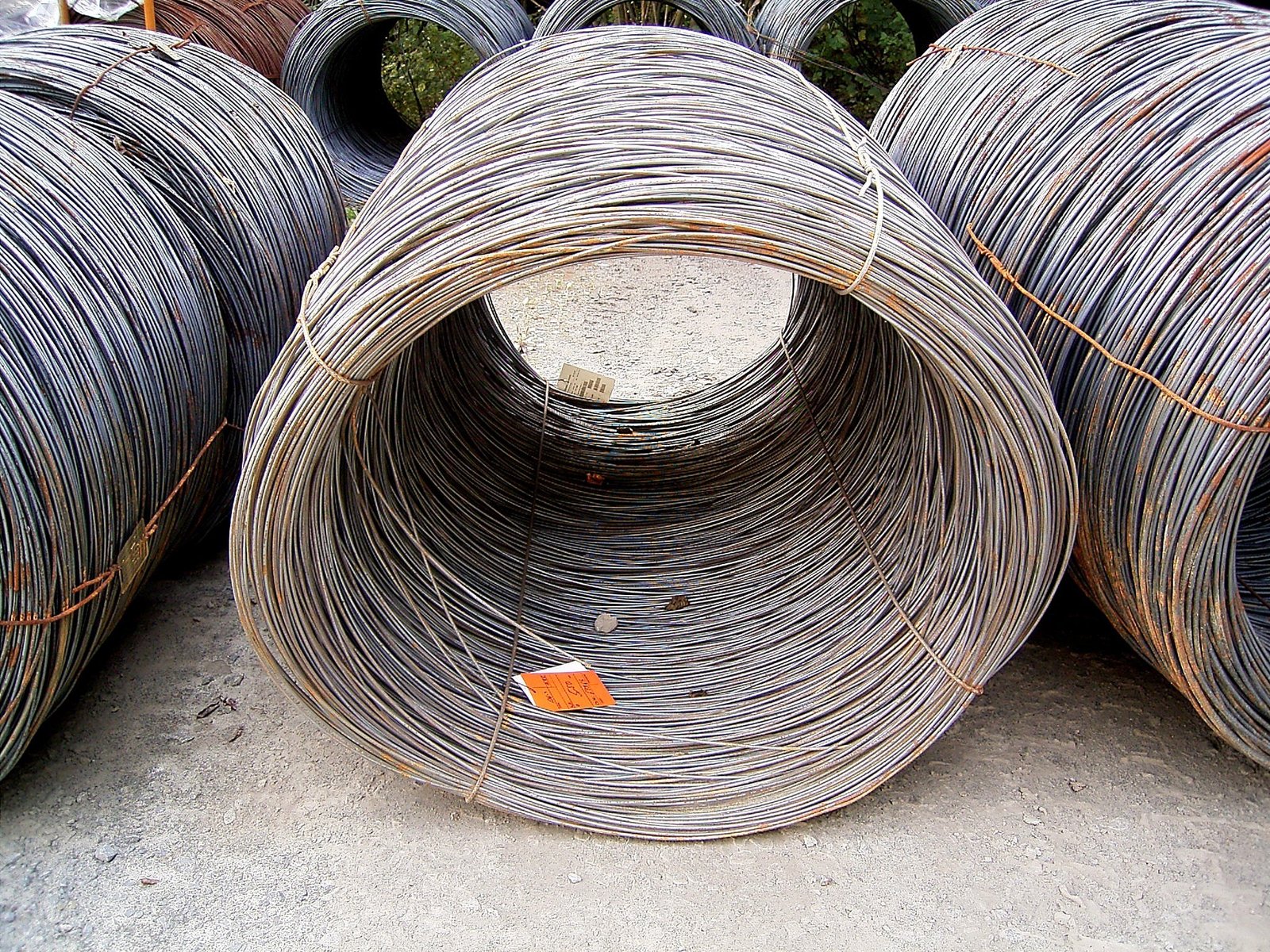
Diameter uniformity throughout the coil is what determines whether the wire rod remains intact or breaks during the drawing process.
Three Key Signs of Quality
| Sign | Inspection method | Why it matters |
|---|
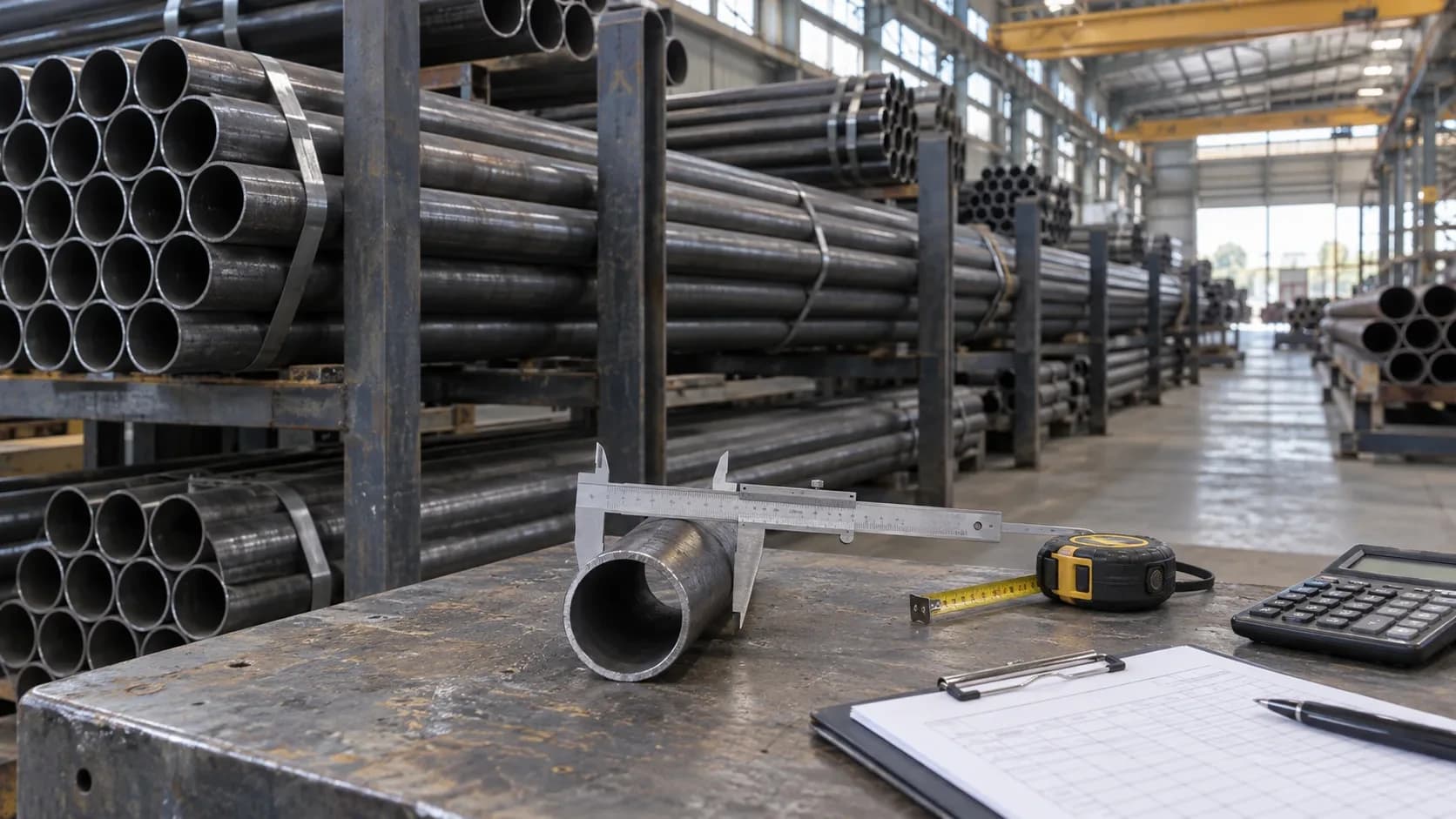
| Diameter uniformity | Use a caliper at several different points of the coil | Diameter variation means breakage during drawing or a non-uniform product |
| Tensile strength / grade | Pay attention to the declared grade, such as RST34, and the certificate | A drawing coil with the appropriate grade does not break during mesh and netting production |
| Galvanized coating | Check for uniformity and the absence of spots/cracks | A non-uniform coating means premature rusting of the wire |
Grade: What Cannot Be Seen by the Eye
A drawing coil such as RST34, due to its lower carbon content, has suitable ductility and tensile strength for drawing and is naturally more expensive than a standard coil. If you buy a standard coil at the price of a drawing coil, or use an unsuitable coil for work that requires a drawing grade, you will suffer financial losses and the final product will also be defective. Paying attention to the declared grade and the mill certificate is just as important as a visual inspection.
A few minutes spent measuring the diameter and checking the grade is the best investment before purchasing a product that is expected to withstand the next process.

Reader comments
0 comments
No comments yet
Be the first to share your experience with this article.