Unlike bulk goods such as rebar, industrial valves are usually purchased in small quantities but have a high value per unit, and many orders are for a specific project with defined specifications. These two characteristics—the high value per unit and the custom-made nature of the products—make the choice of payment method different in this market.
Why Value per Unit Matters More Here Than Tonnage
With bulk goods, the risk comes from tonnage; with valves, it comes from the value per unit. A high-class, large-size valve can represent a considerable amount on its own, and a project order consisting of several valves can reach a large total. Paying cash for such an order ties up substantial liquidity, especially since custom-made valves cannot easily be sold to another customer.
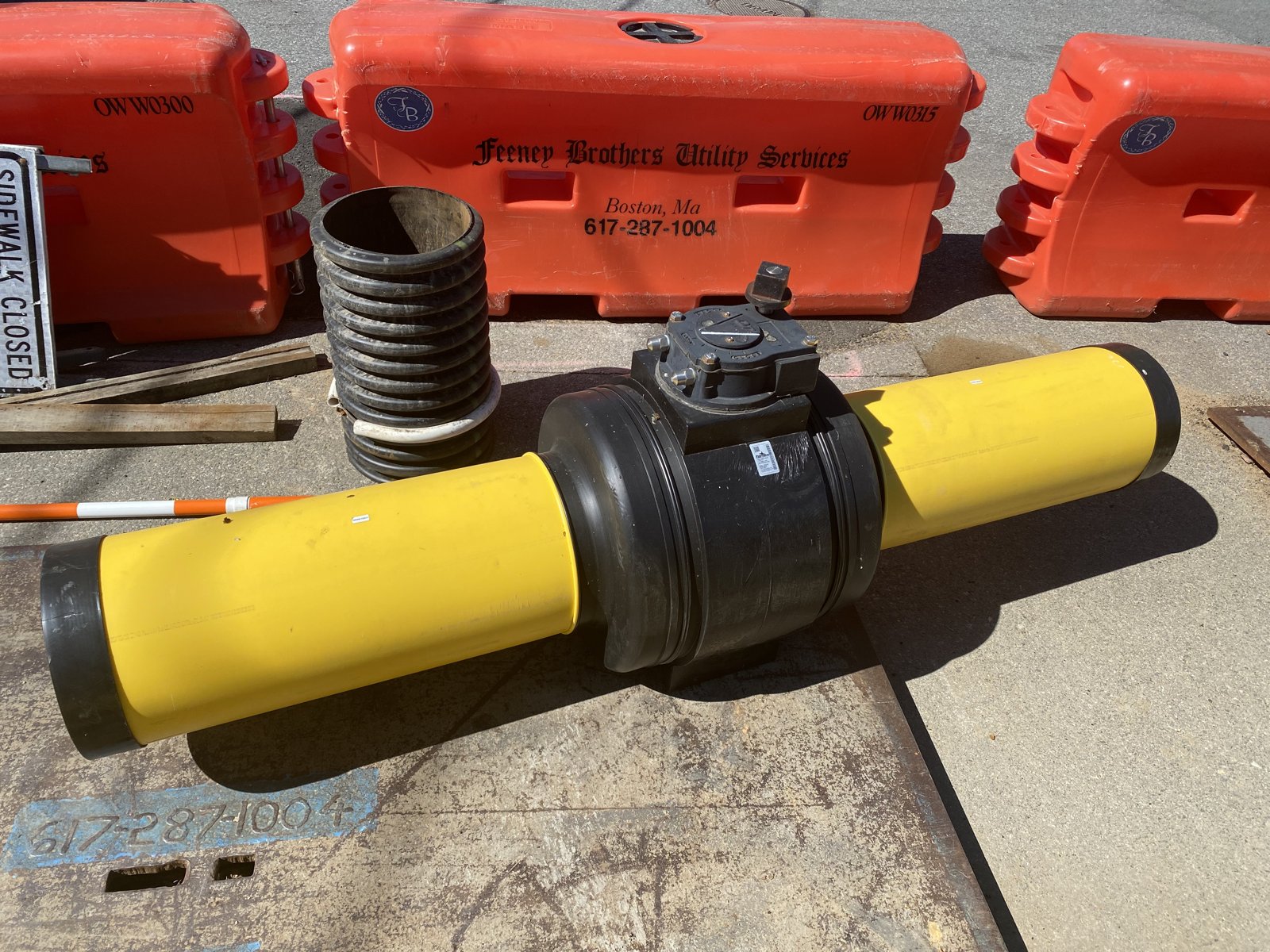
High-class valves have a high value per unit and are often custom-made; this makes the payment decision sensitive.
Comparing Payment Methods
| Method | Advantage | Risk in Valves |
|---|
| Cash | Bargaining power; immediate ownership | Tying up substantial liquidity in a project order |
| Postdated check | Purchasing without tying up liquidity | A large amount makes the impact of a bounced check greater |
| Advance payment for custom-made products | Reducing the risk of unsold inventory | Requires a clear agreement with the customer |
Practical Approach for Project Transactions
- For special custom-made valves, request an advance payment so that if the transaction falls through, you are not left with unsold inventory.
- Coordinate payment with the project delivery stages, especially for large orders.
- For a new project customer, examine their credit history more carefully.
The main rule is the same: the payment method must match the value and liquidity of the goods. In valves, the custom-made nature and high value per unit turn this decision into an important part of risk management.
An Additional Point About Spare Parts
For custom-made valves, specific spare parts, such as gaskets or seats, usually also need to be procured along with the valves or for future use; include the cost of these parts in the total transaction and payment-method calculation from the beginning, rather than treating it as a separate cost that may surprise you later.

Reader comments
0 comments
No comments yet
Be the first to share your experience with this article.