Unlike bulk goods, couplers and structural connections are usually purchased for a specific project, with a defined quantity and size and a delivery schedule coordinated with the progress of rebar installation. This project-based nature shapes the decision on the payment method.
Why the Project-Based Nature Matters
When couplers are ordered for a specific structure, purchasing and delivery are usually carried out in stages, in coordination with the progress of the work. This means that payment can also be made in stages. The main risk is clear: if the project is delayed or halted, settlement is postponed, leaving the seller with the goods or outstanding receivables.
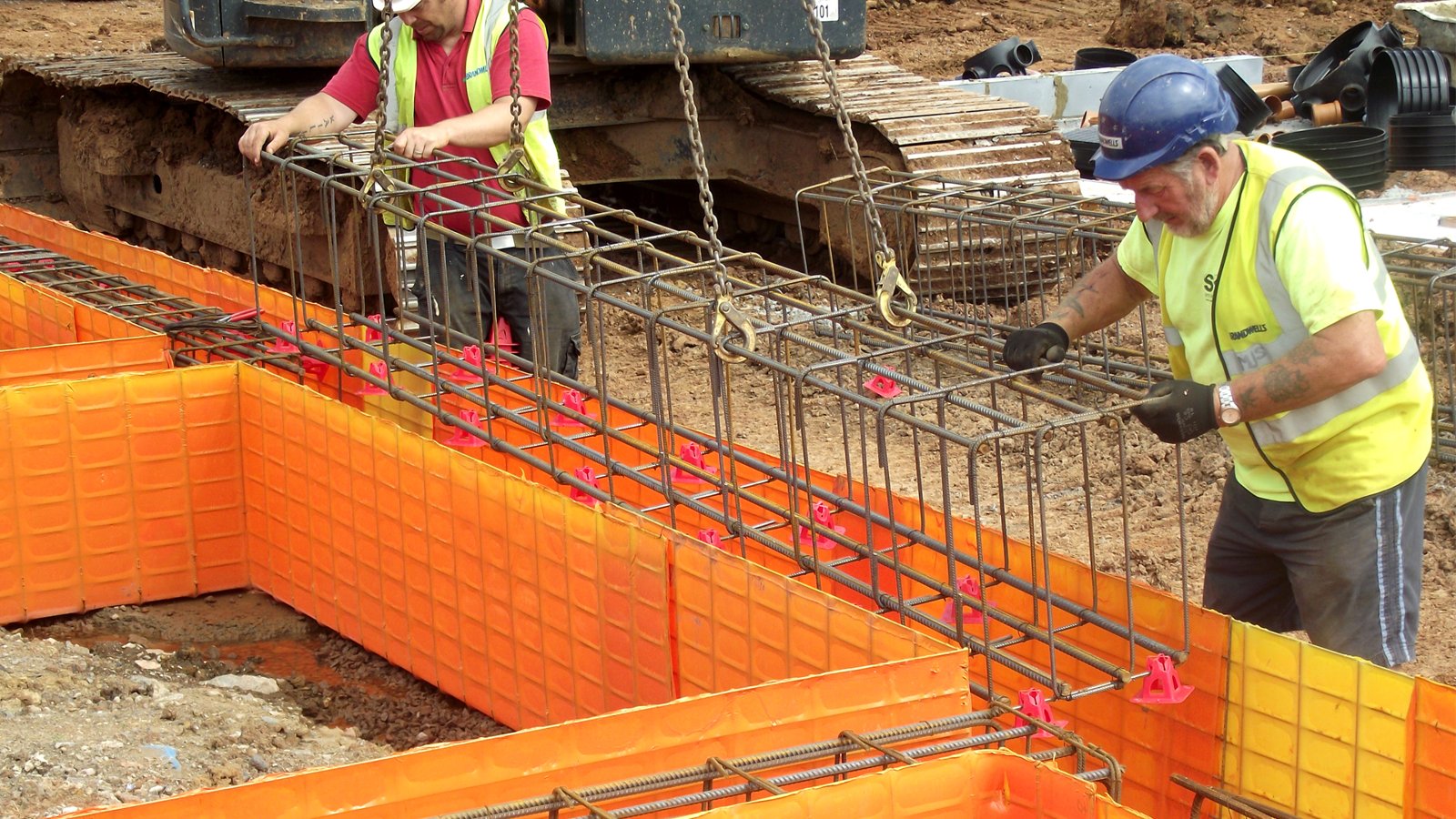
Couplers are usually purchased for a specific project and according to a phased delivery schedule.
Comparing Payment Methods
| Method | Advantage | Risk in a Project-Based Order |
|---|
| Cash | Bargaining power; clear settlement | Tying up the contractor’s liquidity at the beginning of the work |
| Term check | Coordination with the project’s cash flow | Dependence of settlement on the project’s progress and financial health |
| Phased payment | Alignment with delivery and work progress | Need for clear agreement and trust |
Practical Approach
- Coordinate payment with the delivery stages and the progress of rebar installation.
- For a new contractor, assess their creditworthiness and the project’s financial health before making a credit sale.
- For special items such as reducing couplers or unusual sizes, consider requiring an advance payment.
The main rule is the same: the payment method should match the nature and risk of the transaction. For couplers and structural connections, coordination with the project cycle is the key to a low-risk transaction.
One Additional Point: Do Not View Certification and Settlement Separately
For couplers, the test certificate is usually delivered with the shipment, not after full settlement. If payment is phased, it is better to specify in the same agreement when the certificate for each shipment will be delivered, because without the certificate, the coupler is not acceptable for the project’s technical inspection and the contractor cannot use it, even if they have paid for it. This simple contractual clause prevents a later dispute over “Why was the certificate not delivered?”.

Reader comments
0 comments
No comments yet
Be the first to share your experience with this article.