A customer orders a “۲-inch” valve, but when they try to install it, the valve does not fit the pipe flange. The problem is not necessarily quality; it may be caused by a mismatch in nominal size or flange class. In industrial valves, size compatibility is just as important as the valve itself.
What Is Nominal Size
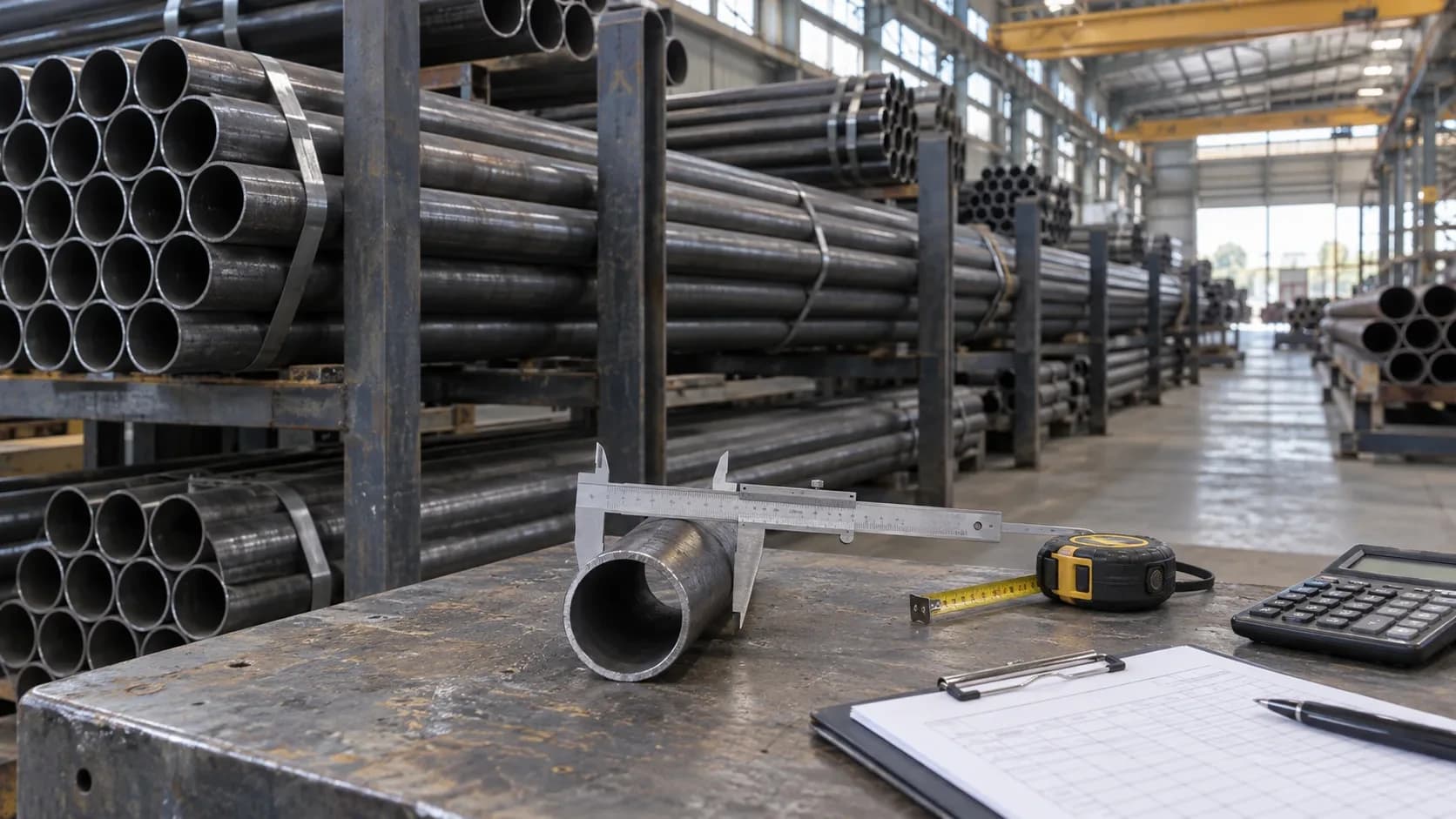
The nominal size of a valve is expressed as DN (metric, such as DN50) or NPS (inch-based, such as NPS 2). This is a standardized conventional number that specifies the size of the valve and its corresponding pipe, but it is not necessarily equal to the actual internal diameter. Just as with pipes, this conventional nature can cause confusion if it is not taken into account.
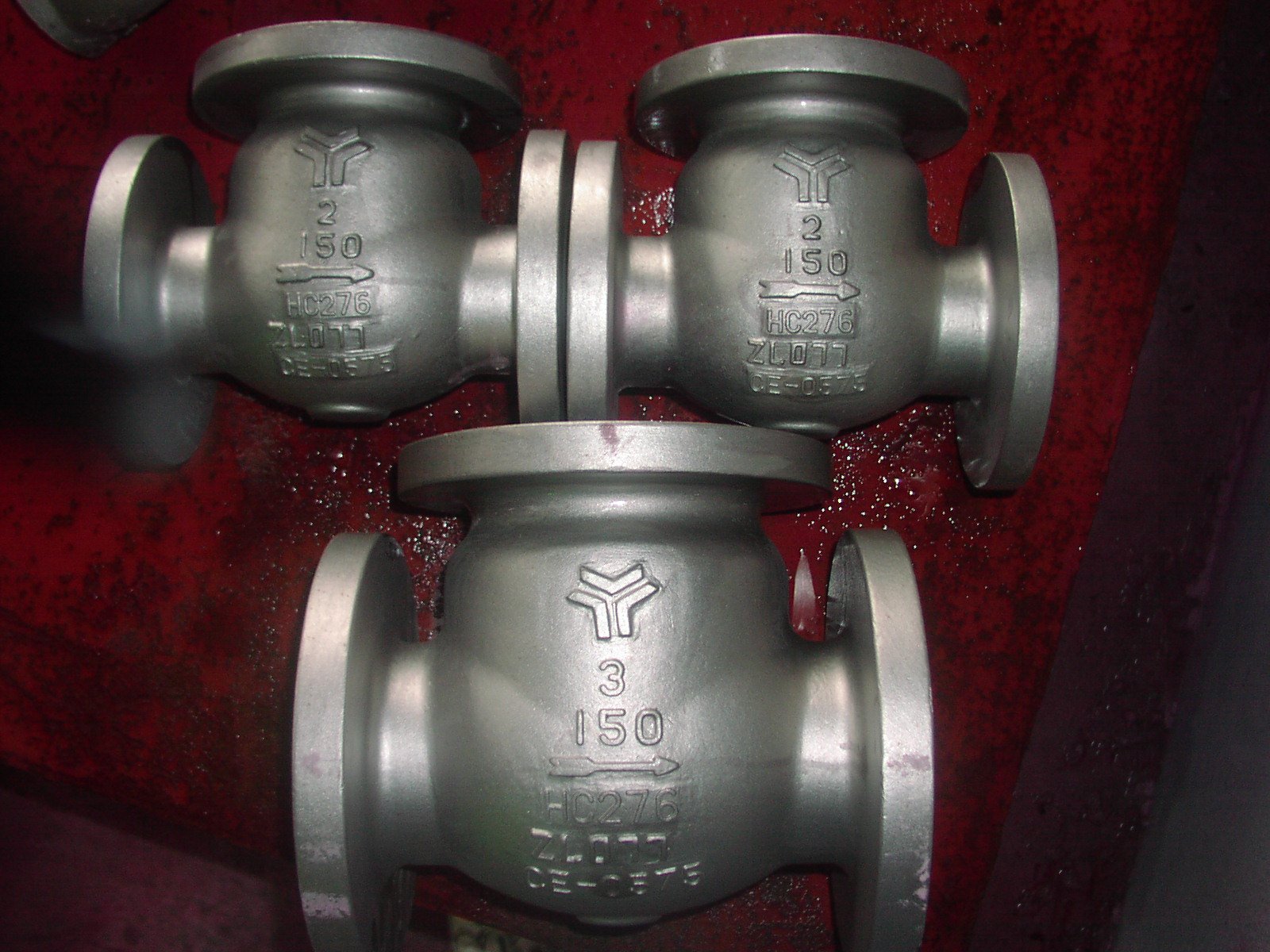
The nominal size of the valve must exactly match the pipe and the flanges on both sides; otherwise, the connection will not fit or seal.
Why Three-Way Compatibility Is Necessary
A valve does not operate on its own; it must be connected to a pipe and flanges. For a proper connection, three things must be compatible: the nominal size of the valve and pipe, the pressure class of the valve and flange, and the flange standard. If the nominal size is the same but the flange class is different, the valve still will not fit. That is why all three must be considered together.
| Compatibility item | Must match | Common mistake |
|---|
| Nominal size (DN/NPS) | Pipe size | Confusing inch and metric systems |
| Pressure class | Flange and system class | Correct size but different class |
| Flange standard | Project pipe standard | Different flange bolt-hole pattern |
Your Role in Preventing Mistakes
When a customer orders a valve, do not ask only for the size number; ask whether their system is inch-based or metric, and what its pressure class and flange standard are. These few additional questions prevent valve returns and disputes over incompatibility with the pipe—a problem that is costly and time-consuming at the installation site.
A knowledgeable salesperson sells a valve not as a size number, but as part of a coordinated system.
An Additional Point
This three-way compatibility is important not only during the initial installation; when replacing an old valve, these same three items must be checked precisely against the existing system, rather than simply repeating the old nominal size.

Reader comments
0 comments
No comments yet
Be the first to share your experience with this article.