A customer orders a «۲ inch» flange and fittings, but nothing matches during installation. The problem is usually not quality; it is the lack of coordination between nominal size, class, and schedule. In flanges and fittings, as with the pipe itself, size is not just a simple number.
Nominal Size and What Comes with It
Flange and fitting sizes are determined based on the pipe’s nominal size (DN metric or NPS inch). However, nominal size alone is not sufficient; the pressure class must be specified for flanges, and for butt-weld fittings, the pipe schedule (wall thickness) must also match. In other words, a proper connection results from matching several specifications with one another, not just a single size number.
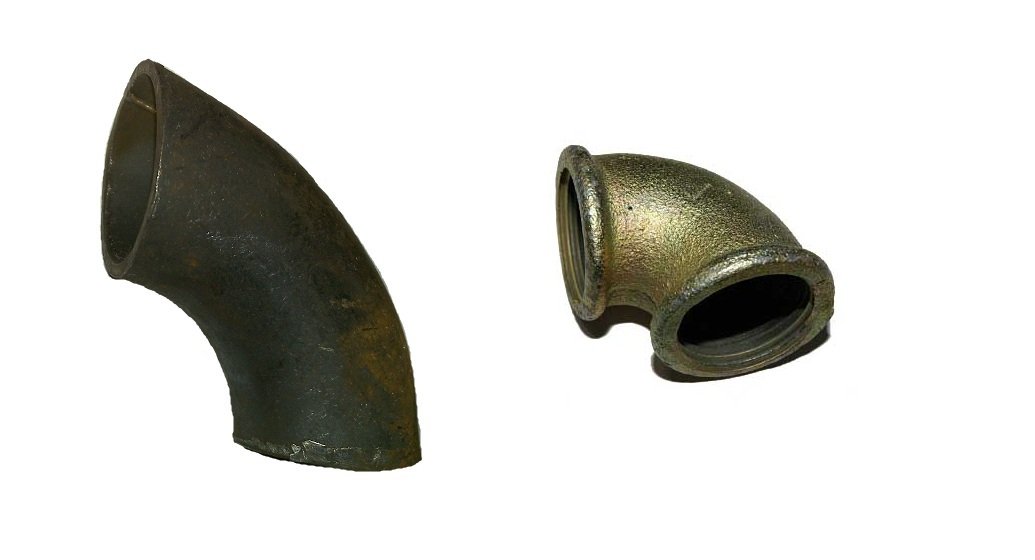
Flange and fitting sizes must be coordinated simultaneously with the pipe’s nominal size, class, and schedule.
Multiple Coordination
| Item | Must match | Common mistake |
|---|
| Nominal size | Pipe size (DN/NPS) | Confusing inch and metric |
| Pressure class (flange) | System class and mating flange | Correct size but different class |
| Schedule (butt-weld fittings) | Pipe wall thickness | Fitting with a mismatched schedule, uneven-thickness welding |
| Standard | Project standard | Different pattern |
Your Role in Sales
When a customer asks for a flange or fitting, do not ask only for the size number; ask about the inch or metric system, pressure class, schedule, and project standard. These few questions prevent the most important problem in this market: a part that does not match at the installation site and must be reordered.
A knowledgeable salesperson sells the flange and fitting as part of a coordinated system, not as an individual part with a single size number.
A Common Example in the Market
A project whose main pipe has been purchased according to a European standard and in metric sizes sometimes turns to an American and inch catalog for fittings because it is more readily available. The sizes may appear close on paper, but the actual dimensions and flange bolt-hole spacing are not the same. Identifying this mismatch before purchase is far less costly than returning the fitting from the project site.

Reader comments
0 comments
No comments yet
Be the first to share your experience with this article.