Two customers both want ball valves, but one needs it for a simple water line and the other for an automated control system in a factory. The same valve is sold to these two customers with two completely different types of actuators. Understanding actuators is part of selling the right industrial valve—something many people overlook.
Three Ways to Operate a Valve
An actuator is the mechanism that opens and closes a valve. The simplest option is a manual actuator: a lever for a ball valve or a handwheel for a gate valve. An electric actuator moves the valve with an electric motor and enables remote and automatic control. A pneumatic actuator operates with air pressure, is usually faster, and is preferred in certain environments.
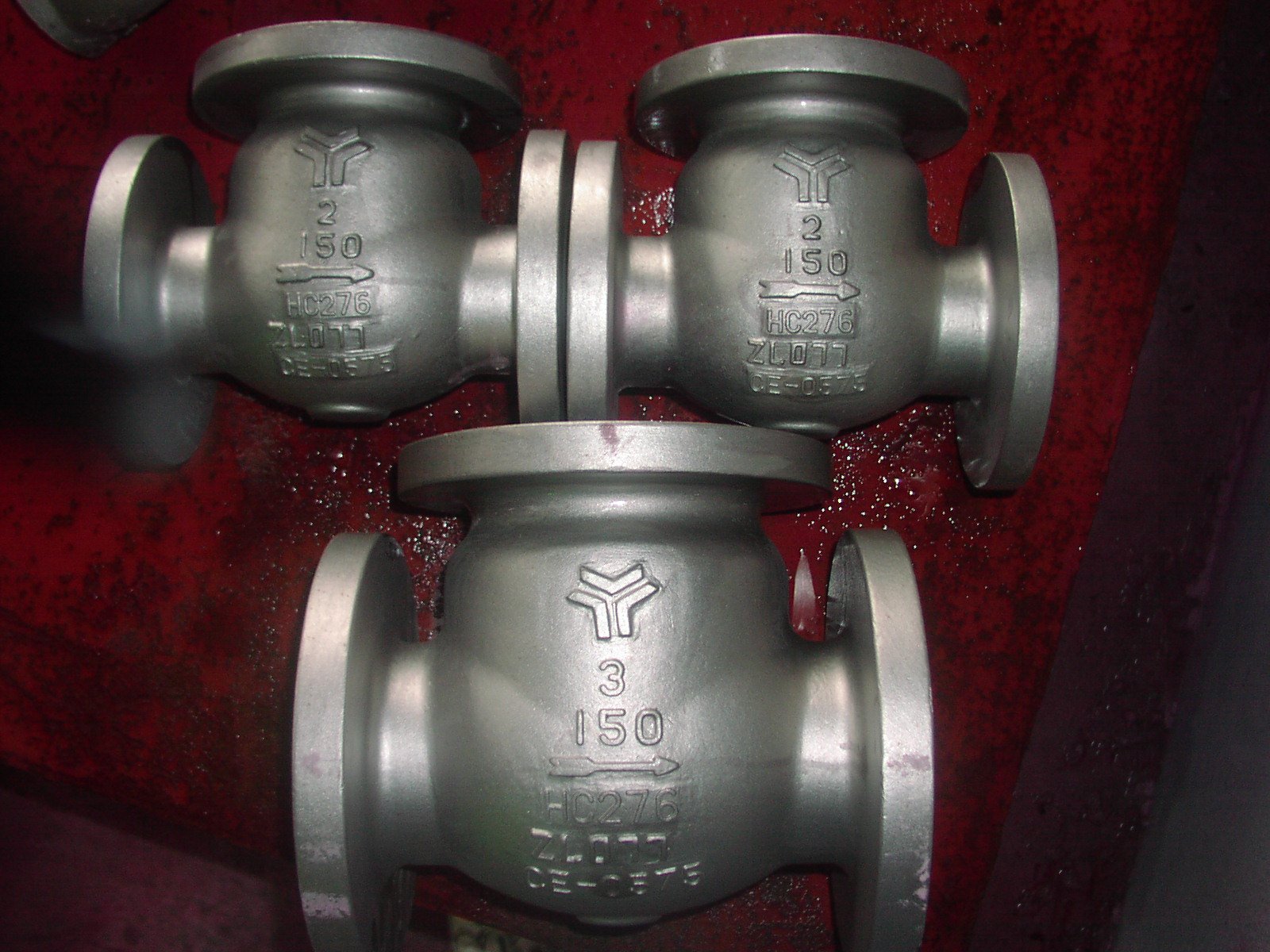
Choosing a manual, electric, or pneumatic actuator depends on the need for automatic control, the valve size, and environmental conditions.
Actuator Selection Table
| Actuator | Suitable for | Note |
|---|
| Manual (lever/handwheel) | Simple, low-traffic lines | Economical; requires an operator’s presence |
| Electric | Remote control, automatic systems | Requires a stable power supply |
| Pneumatic | Fast operation, environments with spark hazards | Requires compressed air |
Why This Question Completes the Sale
If a customer has an automated system and you offer only a manual valve, you have not met their needs; and if you sell an expensive electric valve for a simple line, you have created an unnecessary cost. Asking whether the valve will operate manually or be part of a control system elevates your sale from a basic component to a complete solution.
This same attention to the actuator is the difference between a salesperson who only sells valves and someone who provides fluid-control solutions.
Sales Tip: Actuators Are Also Sold Separately
An overlooked sales opportunity is that actuators and valves can be sold separately. Sometimes a customer has a manual valve and later wants to convert it to electric or pneumatic operation; in this case, they only need the actuator and the connection mechanism. Knowing the compatibility of actuators with different types of valves allows you to cover this need as well and make an additional sale.
A salesperson who knows both valves and actuator options can meet a broader range of industrial customer needs and build a longer-term relationship.

Reader comments
0 comments
No comments yet
Be the first to share your experience with this article.