
Rebar prices are simultaneously influenced by several factors: the dollar exchange rate, the Iran Mercantile Exchange, industrial gas outages, global scrap and billet prices, and the construction season. Here, we examine these factors.
“Why did rebar become so expensive today?” This is probably the most frequently asked question that every steel seller hears during a working week. The problem is that very often, even the seller himself does not have an exact answer, other than “That’s just how the market is.” The more precise answer is that rebar prices are almost never the result of a single simple reason; they result from the simultaneous interaction of several factors, some of which have daily effects and others seasonal effects.
| Factor | How it affects the market | Usual time frame |
|---|---|---|
| Dollar exchange rate (NIMA or free-market) | Part of the Iran Mercantile Exchange pricing formula depends on the dollar | Daily to weekly |
| Iran Mercantile Exchange | The base price of billet and steel products is discovered every week during exchange sessions | Weekly |
| Industrial gas outages during the cold season | Reduced or halted production due to the priority given to household gas consumption limits supply | Seasonal; autumn to the end of winter |
| Global scrap and billet prices | Makes the raw materials entering factories more or less expensive | Monthly |
| Construction season | Demand from infrastructure projects is higher in spring and summer | Seasonal; spring to the end of summer |
The Dollar Exchange Rate and the Iran Mercantile Exchange: Two Engines That Work Together
The base price of steel products, including billet and rebar, is officially discovered on the Iran Mercantile Exchange, and part of this price-discovery formula depends on the dollar exchange rate. This means that when the dollar exchange rate fluctuates significantly over a short period, this fluctuation usually appears in free-market rebar prices as well, with a slight delay. This delay is what sometimes makes you feel that rebar prices respond “late” to fluctuations in the dollar; in reality, they are not late—they simply pass through an official, multi-stage process.
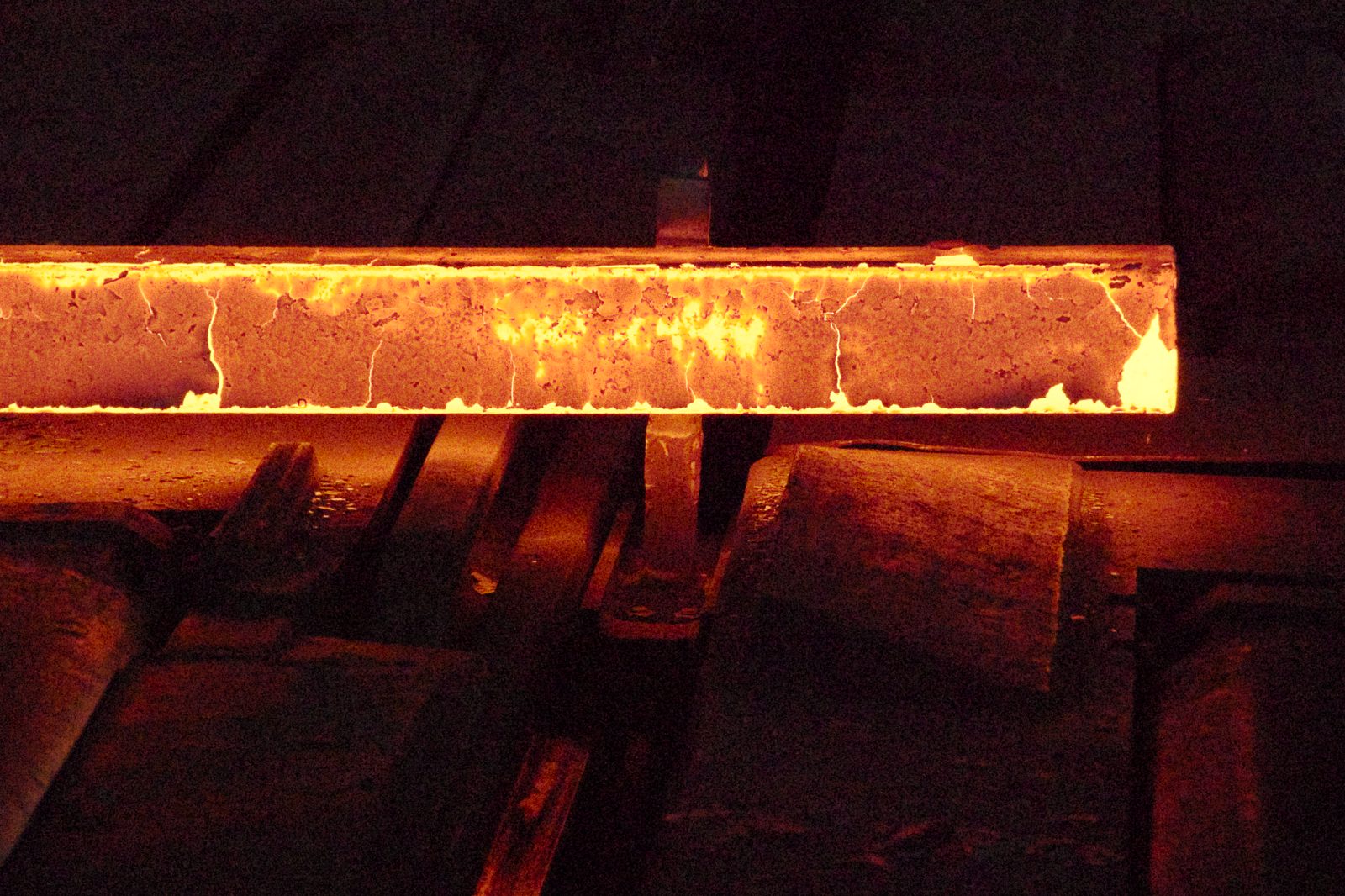
When supply declines, the story does not always begin here; it begins at the production line, not in the shop window.
Why Winter Is a Separate Story
During the cold months of the year, natural gas allocation is prioritized for household consumption. Energy-intensive industries, including steelmaking plants, usually face reduced or interrupted gas supplies during this period. The result is that supply declines, while demand does not necessarily fall; construction may have slowed down, but ongoing projects still need rebar. When supply decreases and demand remains constant, upward price pressure is almost a logical result, not a random event.
And What Happens When the Weather Gets Warm
The construction season in Iran usually begins in spring and reaches its peak in summer. Unlike winter, when the problem comes from the supply side, in summer the problem is usually on the demand side: the number of active projects increases, and they are all looking to procure rebar at the same time. If this period coincides with a fluctuation in the dollar exchange rate, the effects of the two factors are compounded, making price fluctuations appear more noticeable.
How to Use This Pattern for Decision-Making
- Monitor the dollar exchange rate daily; a sharp movement in it is usually reflected in rebar market prices several days later.
- Pay attention to the Iran Mercantile Exchange’s weekly schedule; its base price indicates the actual ceiling and floor of the free market.
- As the cold season approaches, if you have a bulk purchasing plan, act ahead of a possible reduction in supply.
- Keep Ahantime’s daily Market Pulse price at the top of the website as your real-time reference, rather than relying on the memory of a few days ago.
None of these factors alone tells the whole story. It is the combination of the dollar, the Iran Mercantile Exchange, the season, and supply that turns rebar prices from a fixed number into a living market, and understanding this combination keeps you from reacting emotionally to every daily fluctuation.
Frequently Asked Questions
قیمت میلگرد چطور تعیین میشود؟
قیمت پایهٔ محصولات فولادی از جمله میلگرد در بورس کالای ایران کشف میشود و بخشی از فرمول آن به نرخ دلار وابسته است. قیمت بازار آزاد حول همین قیمت پایه، با توجه به عرضه و تقاضای واقعی، شکل میگیرد.
چرا زمستان معمولاً روی قیمت میلگرد اثر میگذارد؟
در فصل سرما، اولویت گاز طبیعی با مصارف خانگی است و کارخانههای فولادسازی معمولاً با کاهش یا قطعی گاز مواجه میشوند که تولید و عرضه را محدود میکند، در حالی که تقاضا لزوماً کم نمیشود.
برای پیشبینی نوسان قیمت میلگرد به چه چیزهایی باید توجه کرد؟
نرخ دلار (نیمایی و آزاد)، قیمتگذاری هفتگی بورس کالا، وضعیت عرضهٔ گاز به صنایع در فصل سرما، قیمت جهانی قراضه و شمش، و فصل ساختوساز. این پنج عامل با هم تصویر نسبتاً کاملی از جهت احتمالی قیمت میدهند.
Reader comments
Be the first to share your experience with this article.