In industrial valves, both the value of each unit is high and product variety is extensive: valve type, pressure class, body material, size, and standard. The combination of high value and this broad variety makes correctly recording the invoice in the Taxpayers’ System one of the most accuracy-intensive parts of the work.
Four points to check on every invoice
| Item | Taxpayers’ System requirement | Why it is more sensitive for valves |
|---|
| Unique invoice identifier | Unique code for each official invoice | The high invoice amount makes errors noticeable during audits |
| Economic code of the parties | Buyer’s and seller’s codes | Project transactions are more often conducted with legal entities |
| Line-item product code | Correct code for type, class, material, and size | The very high variety of valves makes code selection difficult |
| Exact product specifications | Type, size, class, material, standard | They must correspond exactly to the actual shipment and certificate |
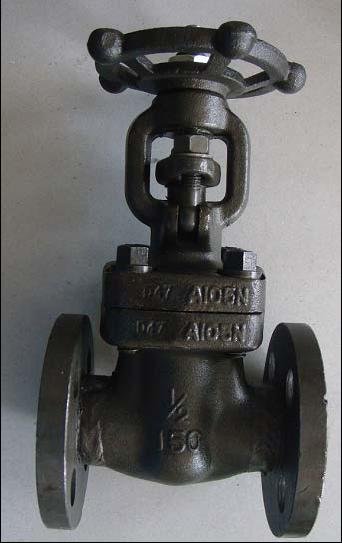
The wide variety of valve types, classes, and materials makes correctly recording the product code in the Taxpayers’ System accuracy-intensive.
Why the wrong product code is costly here
If you record a class ۱۵۰ valve under the code for class ۳۰۰, or enter the body material incorrectly, this discrepancy will appear in the quarterly value-added tax report. Since valve transaction amounts are large, this error creates a large absolute figure, and its tax follow-up is also more serious.
Practical steps before submitting the invoice
- Match the valve type, pressure class, body material, and size with the selected product code.
- Enter the specifications from the body stamp and certificate, not from memory.
- Reconfirm the buyer’s economic code, especially for project transactions.
- Register the invoice in the Taxpayers’ System within the specified time frame.
This few minutes of care prevents costly tax follow-ups for a transaction that is both high-value and prone to errors because of its wide product variety.
A common question from contractors
Should the pressure class be exactly the same as what is stamped on the valve body? Yes. The pressure class is one of the factors determining the valve’s price and application, and because it is also checked during a project’s technical inspection, any discrepancy between the invoice and the body stamp creates both a tax problem and doubts about the contractor’s trust in the seller. The best approach is to photograph the body stamp upon delivery and keep it alongside the invoice.

Reader comments
0 comments
No comments yet
Be the first to share your experience with this article.