In the coil and wire market, product diversity is high: plain or ribbed, black or galvanized, various grades, and supplied as coils or bars. This diversity means that correctly registering an invoice in the Taxpayers’ System requires greater accuracy, especially in tonnage transactions.
Four points to check on every invoice
| Item | Taxpayers’ System requirement | Why it is more sensitive here |
|---|
| Unique invoice identifier | Unique code for each official invoice | The high value of tonnage transactions makes errors more noticeable during audits |
| Parties’ economic code | Buyer’s and seller’s code | High-volume transactions are more often conducted with legal entities |
| Product code for the line item | The correct code for each combination of type, grade, and diameter | The high diversity of coils makes code selection more difficult |
| Precise product specifications | Diameter, type, grade, coil or bar | It must correspond exactly to the actual shipment and the mill certificate |
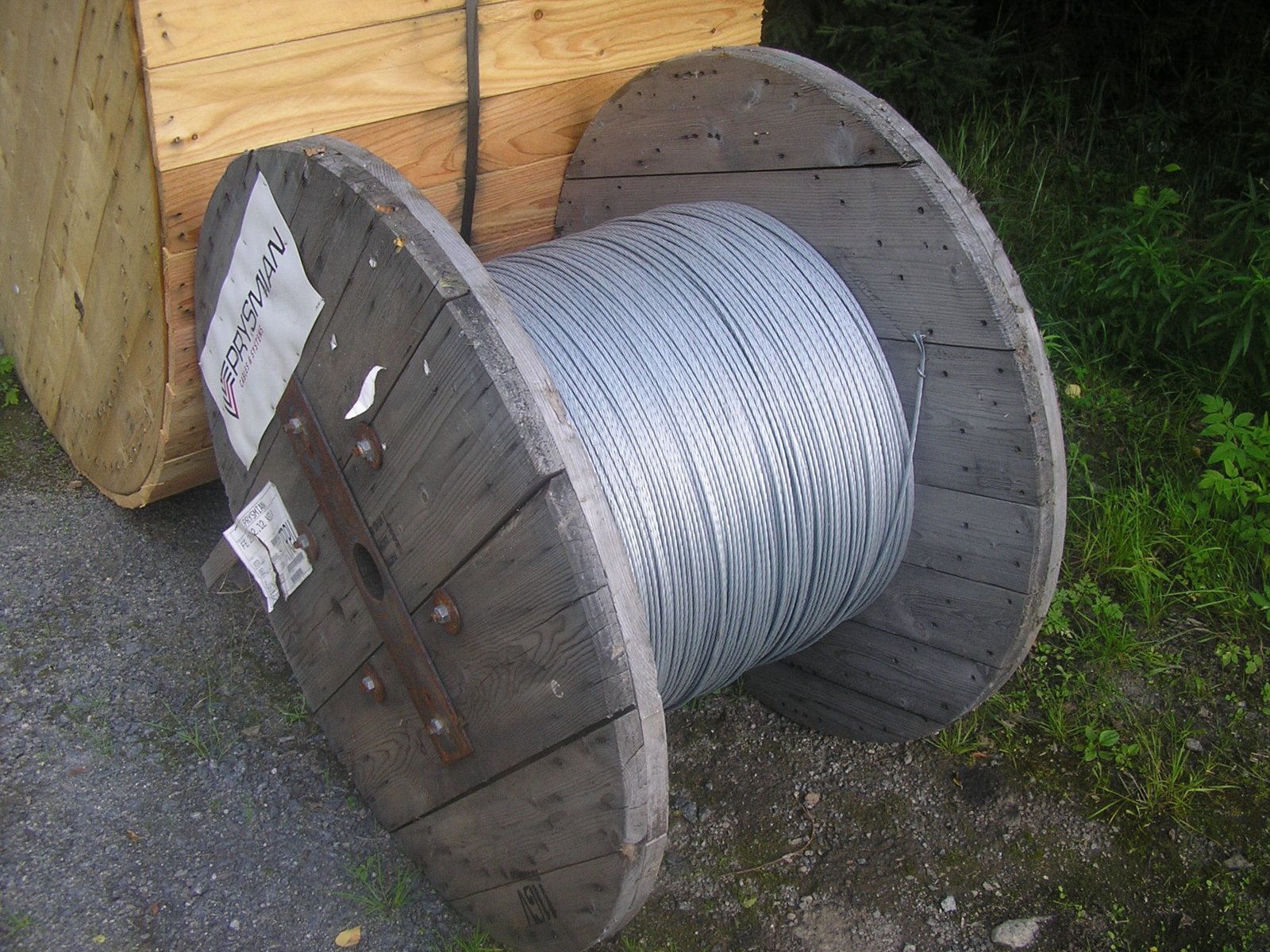
The diversity of coil and wire types and grades makes accurately registering the product code in the Taxpayers’ System more demanding.
Why an incorrect product code causes problems
If you register an ordinary-coil code for a drawn coil of grade RST34, or mistake galvanized wire for black wire, this discrepancy will appear in the quarterly VAT report and may lead to tax follow-up. Since coil transactions are conducted by tonnage, the error is repeated on a larger scale.
Practical steps before submitting the invoice
- Match the exact type and grade (plain/ribbed/galvanized, grade, coil/bar) with the product code.
- Enter the diameter and weight based on the actual shipment and the mill certificate, not from memory.
- Reconfirm the buyer’s economic code, particularly for a new customer.
- Register the invoice in the time period stipulated by the system, especially for tonnage transactions.
This few minutes of care prevents costly tax follow-ups for a transaction that is both high-volume and high-value, while its product diversity makes errors more likely.
A less-noticed point: supply as a coil or bar
Coils and bars have different product codes even with the same diameter and grade, because their processing and unit prices differ. In mixed orders in which part is supplied as coils and part as bars, if everything is registered under one code, both your internal financial segregation will be disrupted and the quarterly report will no longer correspond to the actual warehouse inventory.

Reader comments
0 comments
No comments yet
Be the first to share your experience with this article.