
Seamless and welded pipes differ in more than just price; their size limitations, working pressure, and applications are completely different. Let’s become familiar with these differences and the right selection guide for each customer.
The customer says they want a pipe, without providing any further details. Your next question should be this: What will it be used for? Because the answer determines whether you should recommend a seamless pipe or a welded pipe, and making the wrong choice can both impose extra costs on the customer and create a safety hazard for sensitive services.
Where Does the Difference Begin?
A welded pipe is produced by rolling and welding a steel plate or strip, which is why it has a weld seam along its length. A seamless pipe is produced by piercing and drawing a round billet and has no seam at all. This difference in production directly affects price, size limitations, and working pressure.
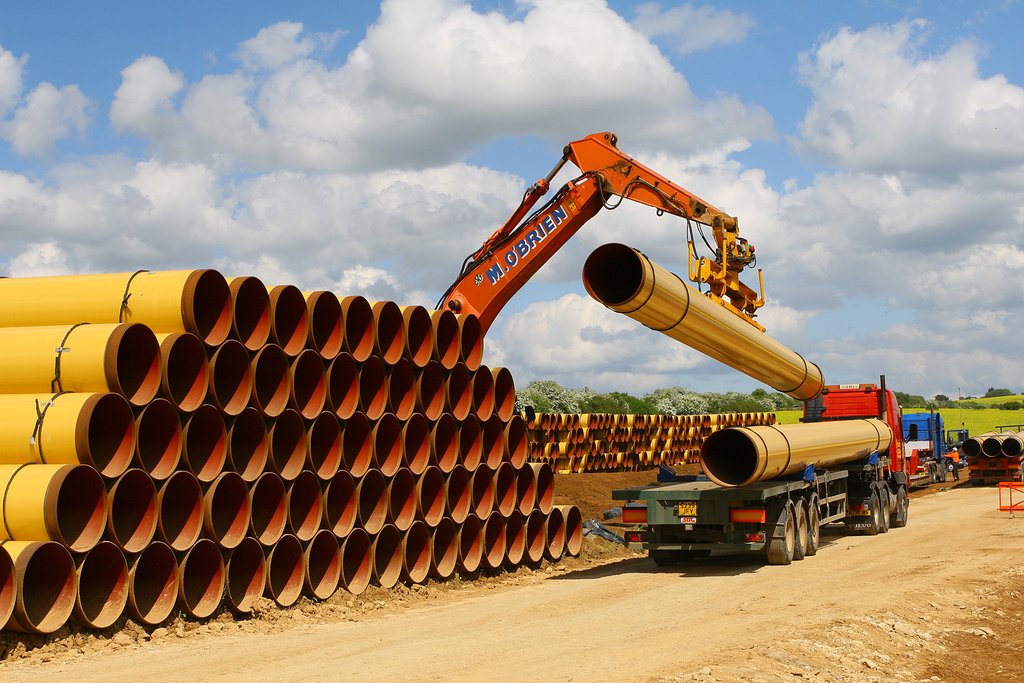
The decision between seamless and welded pipes depends first and foremost on the customer’s service and working pressure.
A Practical Comparison for Sales
| Feature | Seamless Pipe | Welded Pipe |
|---|---|---|
| Production method | Piercing and drawing a round billet, without a seam | Rolling and welding a steel plate or strip |
| Size limitation | Up to approximately ۲۰ inches | In all sizes, even up to ۱۰۰ inches |
| Working pressure | Higher; suitable for heavy-duty service | Lower; suitable for normal pressure and temperature |
| Price | More expensive | Less expensive |
| Common application | Oil, gas, refineries, heavy industries | Domestic water and gas, ordinary building plumbing |
Why This Choice Is Not Just About Price
Sometimes the customer looks only at the lower price of a welded pipe, without considering that their service requires the higher working pressure of a seamless pipe; this mistake can later create a safety hazard. The opposite also occurs: a customer buys a more expensive seamless pipe for simple domestic plumbing without any need to do so. Your role is to help them make the right choice by asking about the actual application.
Clearly explaining this difference to the customer both earns their trust and keeps you away from the trouble of selling an unsuitable product for a sensitive service.
An Additional Point
Some modern welded pipes, especially those produced using high-quality ERW methods, perform acceptably for many medium-duty applications; the main difference is still the maximum working pressure and the sensitivity of the service, not necessarily the quality of construction.
Frequently Asked Questions
چرا لوله مانیسمان از درزدار گرانتر است؟
چون تولید لوله مانیسمان (بدون درز) پیچیدهتر است و برای فشار و دمای بالاتر طراحی شده. لوله مانیسمان معمولاً در سرویسهای سنگینتر مثل نفت، گاز و پالایشگاه به کار میرود.
چرا لوله مانیسمان محدودیت سایز دارد؟
لوله مانیسمان معمولاً تا حدود سایز ۲۰ اینچ قابل تولید است، در حالی که لوله درزدار در هر سایزی، حتی تا ۱۰۰ اینچ، تولید و عرضه میشود.
برای لولهکشی آب و گاز خانگی کدام مناسبتر است؟
لوله درزدار؛ چون برای فشار پایینتر مثل آب و گاز خانگی کاملاً کافی است و قیمت مناسبتری هم دارد. لوله مانیسمان بیشتر برای فشار بالا و صنایع سنگین بهکار میرود.
Reader comments
Be the first to share your experience with this article.