
Each type of industrial valve is designed for a specific task; ball valves are for fast shutoff and opening, gate valves for low pressure drop, butterfly valves for light weight, and check valves for preventing backflow.
A customer says, “I want a valve,” but that is like saying, “I want a tool.” Ball? Gate? Butterfly? Check? Each is designed for a different task, and recommending the wrong type either disrupts the customer’s operation or creates unnecessary costs. Understanding these differences is at the core of a valve salesperson’s work.
Each Valve Has One Job
A ball valve operates with a ball containing a hole and fully opens or closes quickly with a quarter-turn; it is ideal for fast shutoff and opening. A gate valve opens slowly with several turns and creates no pressure drop when fully open; because it operates gradually, it causes less water hammer. A butterfly valve is lightweight, inexpensive, and fast, but it causes greater pressure drop. A check valve only prevents the fluid from flowing back.
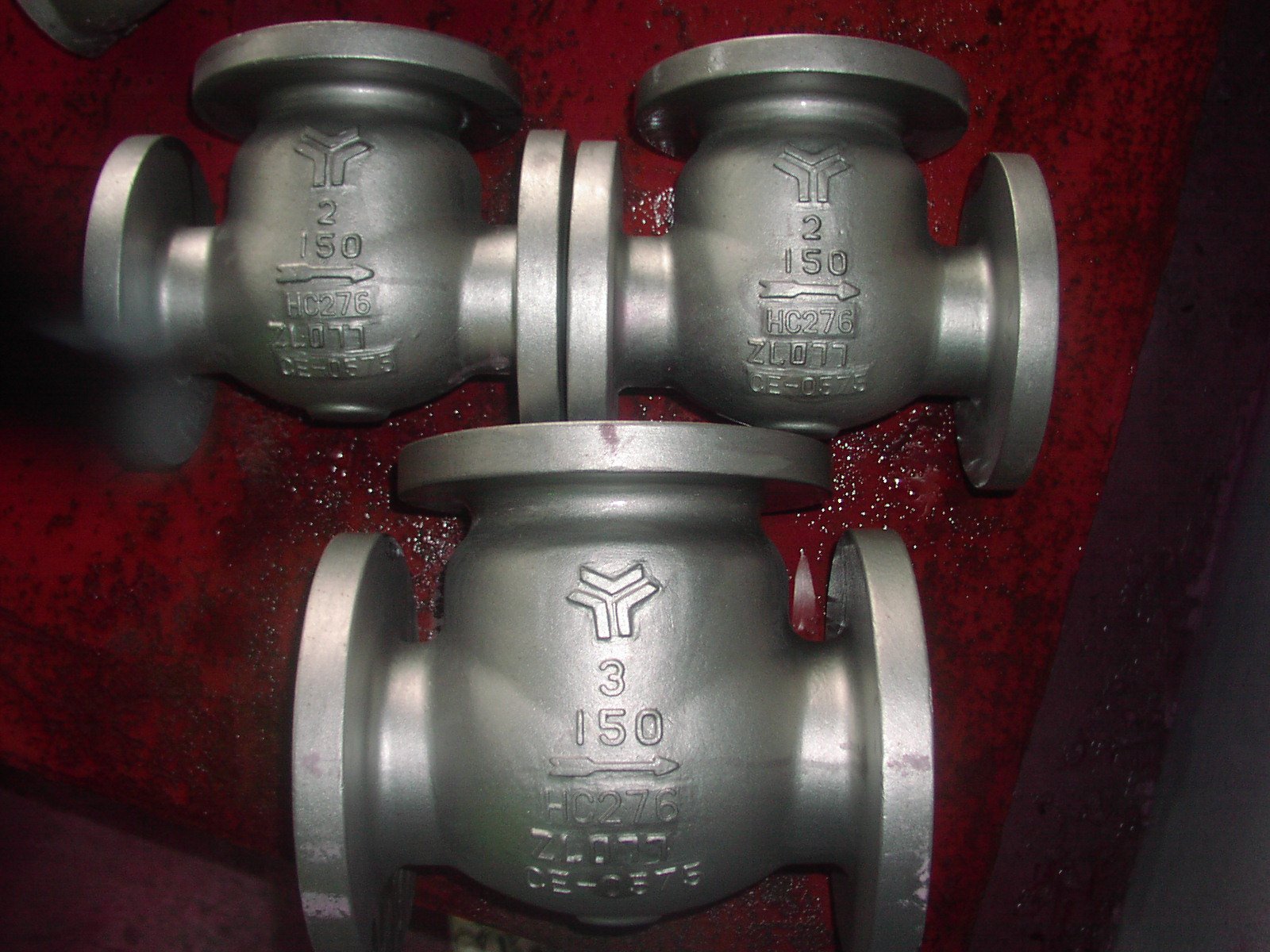
A check valve only allows fluid to pass in one direction and prevents it from flowing back.
Selection Table for Sales
| Valve type | Main advantage | Suitable for |
|---|---|---|
| Ball | Fast shutoff and opening (quarter-turn) | Lines that are opened and closed frequently |
| Gate | Zero pressure drop in the open position | Lines that are opened and closed infrequently |
| Butterfly | Lightweight, inexpensive, fast | Large sizes, clean fluid, limited budget |
| Check | Preventing fluid backflow | Pump outlets, heating systems |
| Plug | Simple shutoff, opening, and control | Chemical industries, refineries |
Why Asking About the Application Saves the Sale
If a customer has a line that is constantly opened and closed and you supply a gate valve, it will wear out quickly; a ball valve is the right choice there. If you supply a butterfly valve for fluid containing solid particles, problems will arise. One question about the type of fluid, the frequency of opening and closing, and the sensitivity to pressure drop will lead you to the right valve.
A salesperson who has this map in mind provides the customer with the right solution instead of merely selling a component.
A Brief Summary
If you ask only one question, ask how many times the line is opened and closed per day; the answer to this one question will guide you between a ball valve and a gate valve.
Frequently Asked Questions
تفاوت شیر توپی و کشویی چیست؟
شیر توپی با چرخش یکچهارم دور سریع باز و بسته میشود و برای قطع و وصل سریع مناسب است؛ شیر کشویی (دروازهای) بهآرامی باز و بسته میشود، در حالت باز افت فشار ندارد و برای خطوطی که کم باز و بسته میشوند مناسب است.
شیر پروانهای چه مزیت و عیبی دارد؟
مزیتش سبکی، قیمت مناسب و باز و بسته شدن سریع است؛ عیبش افت فشار بیشتر و نامناسب بودن برای سیالات حاوی ذرات جامد است.
شیر یکطرفه چه کار میکند؟
فقط اجازهٔ عبور سیال در یک جهت را میدهد و از برگشت سیال جلوگیری میکند؛ در خروجی پمپها و سیستمهای گرمایشی برای جلوگیری از برگشت کاربرد دارد.
Reader comments
Be the first to share your experience with this article.