Two flanges with the same class and size can have different sealing faces, and this difference determines whether the connection remains sealed or develops a leak. The flange face type and the gasket suited to it are among the points many people overlook, but they have a direct effect on sealing.
The Flange Face, Where Sealing Takes Place
The flange sealing face (Face) is the area where the gasket sits and seals the connection. The most common type is the RF or Raised Face, which has a small raised section at the sealing area and concentrates the gasket pressure; it is suitable for medium to high pressure. The FF or Flat Face type is completely flat and is used mostly for cast iron flanges and low pressure.
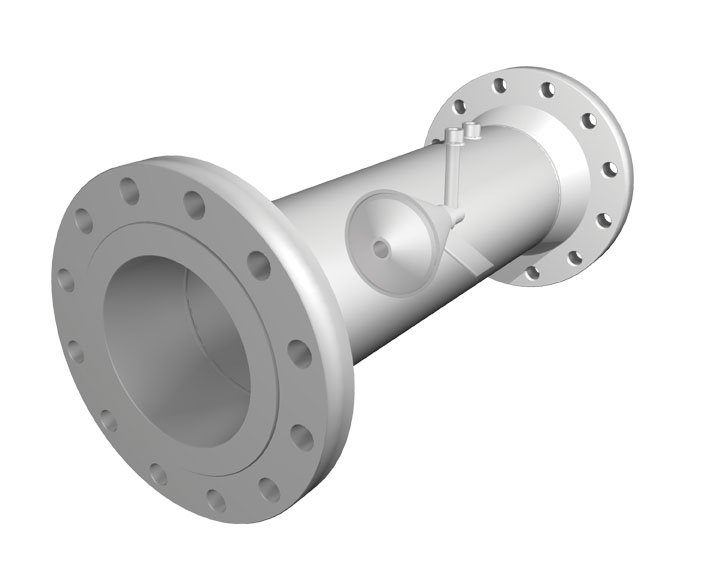
The flange sealing face and the gasket suited to it determine whether the connection remains sealed or develops a leak.
Why Face and Gasket Compatibility Matters
The gasket must be compatible with the flange face type as well as the fluid, pressure, and temperature. An important safety point: connecting an RF flange to an FF flange—for example, a steel RF flange to a cast iron FF flange—can crack the brittle cast iron flange because of the stress concentration caused by the RF raised face. Therefore, the face type on both sides of the connection must be compatible.
| Face Type | Feature | Application |
|---|
| RF (Raised) | Concentrates gasket pressure | Medium to high pressure, steel |
| FF (Flat) | Completely flat surface | Low pressure, cast iron flanges |
Your Role in Sales
When you sell flanges, also consider the face type and the suitable gasket, and remind the customer that the faces on both sides of the connection must be compatible and that the gasket must be compatible with the fluid. This attention to detail prevents leaks and even flange cracking, and shows that you think beyond selling a single component.
This detailed knowledge is what distinguishes a seller who only supplies a flange from someone who delivers a sealed and safe connection.
Consider the Gasket Part of the Sale Too
A complementary sales opportunity that many people miss is to also offer the customer a gasket and bolts and nuts suitable for the flange. A customer who buys a flange almost always needs a gasket and bolts as well; if you offer a gasket compatible with the face and fluid together with bolts of the same class, you both complete the customer’s requirements and achieve a more complete sale.
Viewing the connection as a set (flange, gasket, bolts), rather than as a single component, is more convenient for the customer and makes your sale more complete.

Reader comments
0 comments
No comments yet
Be the first to share your experience with this article.