The customer has a stainless steel pipe but wants a carbon steel flange to save money. At first glance, this may not seem problematic, but this material mismatch can lead to corrosion at the connection point a few months later. In flanges and fittings, matching the material to the pipe is an important rule, not a minor detail.
Why the Material Should Match
There are two main reasons. First, welding: joining two mismatched materials (for example, carbon steel to stainless steel) requires a specific technique and electrode, and if it is not done correctly, the weld will be weak. Second, galvanic corrosion: when two different metals are connected in the presence of moisture, one corrodes faster and the connection point becomes weakened. That is why the standard recommendation is for the flange and fitting to be made of the same material as the pipe.
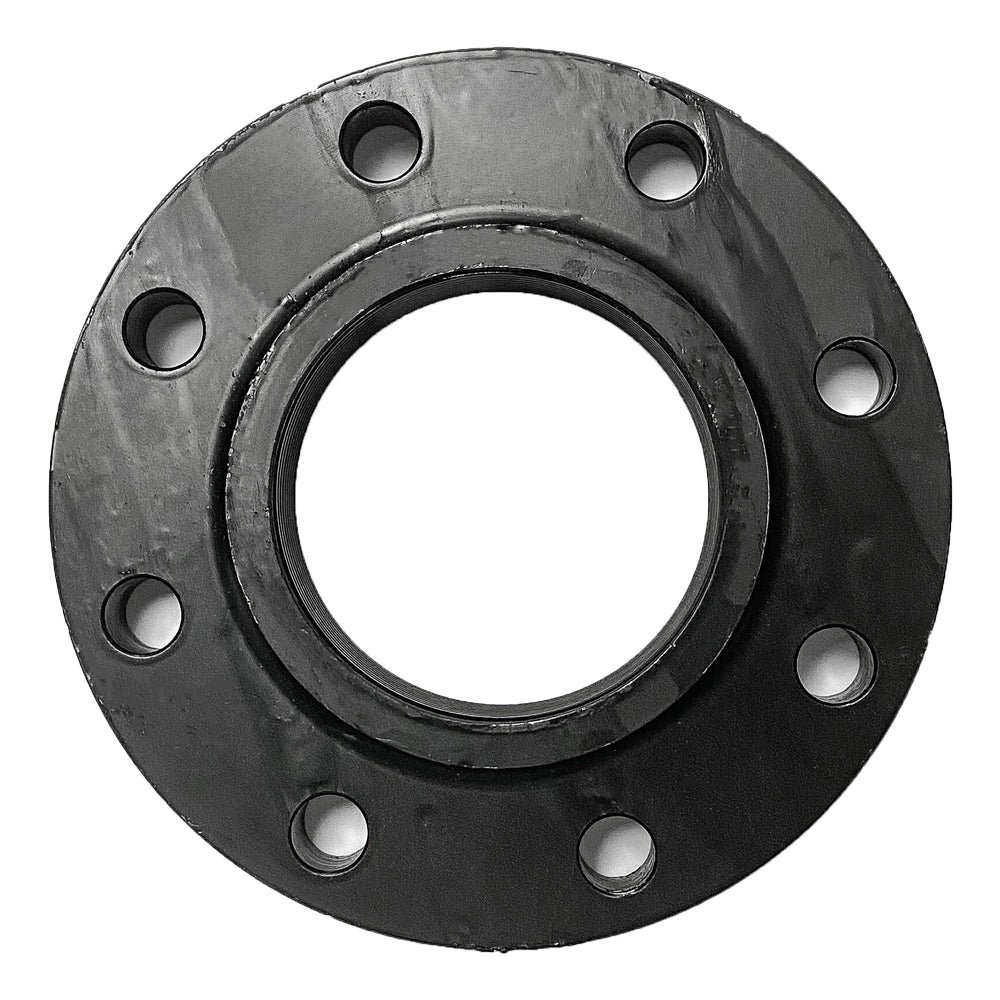
The material of flanges and fittings should match the pipe to prevent galvanic corrosion and welding problems.
Material Compatibility Table
| Pipe material | Compatible flange/fitting | Note |
|---|
| Carbon steel | A105 (flange), WPB (fitting) | The most common combination for standard lines |
| ۳۰۴ stainless steel | ۳۰۴/CF8 stainless steel flange and fitting | For corrosive or sanitary fluids |
| ۳۱۶ stainless steel | ۳۱۶/CF8M stainless steel flange and fitting | Chloride and marine environments |
Your Role in Preventing Mistakes
When a customer asks for a flange or fitting, ask about the material of their pipe and recommend a compatible material. If the customer wants a mismatched material to save money, explain the risk of corrosion and welding problems. This explanation both prevents a problematic connection and shows that you care about the durability of their project.
Matching the material, class, and type are the three pillars of a proper connection, and a professional seller considers all three together.
An Important Exception: Deliberately Connecting Two Different Materials
Sometimes, in practice, it is necessary to connect two different materials, for example, a carbon steel line to stainless steel equipment. In these cases, instead of direct welding, an insulating flange and gasket or an intermediate component is used to prevent galvanic corrosion. Knowing this solution helps you offer the right approach, rather than simply rejecting the request, to a customer who genuinely needs to connect two different materials.
This small piece of specialized knowledge transforms you from a simple seller into someone customers also turn to for advice.

Reader comments
0 comments
No comments yet
Be the first to share your experience with this article.