
A "1-inch" pipe isn't exactly 25.4 mm in diameter — nominal size is an industry convention, not a pure mathematical conversion. We explain this with examples.
A customer orders a «۱ اینچ» pipe. When they test it with a ۱ اینچ fitting from another brand, it may not fit exactly or may have clearance. This is not something related to poor product quality; its root lies in a less frequently mentioned point: the nominal pipe size is not equal to the exact mathematical conversion of inches to millimeters.
What Does Nominal Size Mean
When you say «۱ اینچ» pipe, you mean an industrial standard designation that developed throughout the history of pipe manufacturing, not that the actual pipe diameter is exactly ۲۵.۴ millimeters (the mathematical equivalent of one inch). For example, a ¾-inch pipe actually has an outside diameter of about ۲۶.۷ millimeters, but in the market it is known by the rounded number close to ۲۵.
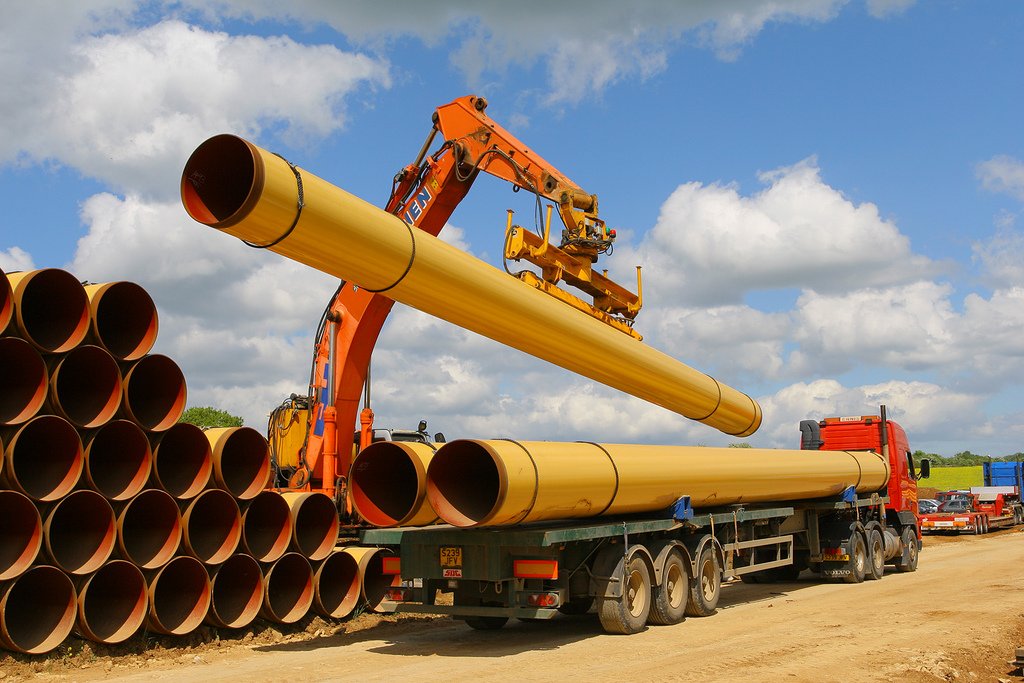
Nominal size is an industrial convention; it is not always equal to the precise millimeter measurement of the outside diameter.
Why Does This Difference Matter in Practice
When a customer who works with foreign standards or fittings from another brand places an order, if you conduct the transaction based only on stating the approximate inch or millimeter number, the pipe and fittings may not fit together properly. This problem occurs especially when one party confuses a metal pipe (whose nominal size is usually defined based on the inside diameter) with a plastic pipe (whose nominal size is based on the outside diameter).
| Nominal size (inches) | Approximate actual outside diameter (millimeters) |
|---|---|
| ½ | ۲۱.۳ |
| ¾ | ۲۶.۷ |
| ۱ | ۳۳.۴ |
| ۱½ | ۴۸.۳ |
| ۲ | ۶۰.۳ |
How to Use This Knowledge in Sales
When a customer places an order, especially for fittings or pipes from multiple brands, it is better to confirm the actual outside diameter as well instead of relying solely on stating the inch number, or to use the official size chart. These few extra minutes of confirmation prevent returned shipments and subsequent disputes over pipes and fittings not fitting together.
A Brief Reminder
This difference is specific to pipes; for rebar or sheet metal, the stated number is usually the actual size.
Frequently Asked Questions
چرا لولهٔ «۱ اینچ» دقیقاً ۲۵.۴ میلیمتر قطر ندارد؟
چون سایز اسمی لوله یک نامگذاری قراردادی صنعتی است، نه حاصل تبدیل ریاضی مستقیم اینچ به میلیمتر. برای مثال، لولهٔ ¾ اینچ در واقع حدود ۲۶.۷ میلیمتر قطر خارجی دارد که در بازار با عدد رند ۲۵ شناخته میشود.
چرا این تفاوت برای بازاری اهمیت دارد؟
چون اگر سفارش را فقط بر اساس عدد اینچ یا میلیمتر تقریبی بدهید، ممکن است لوله یا اتصالاتی که تحویل میگیرید با هم جفت نشوند، چون سایز اسمی و قطر واقعی همیشه یک عدد رند و یکسان نیستند.
در لولهٔ فلزی، سایز نامی بر اساس چیست؟
در لولههای فلزی، سایز نامی معمولاً بر اساس قطر داخلی تقریبی تعریف شده، برخلاف لولههای پلاستیکی که سایز نامیشان بر اساس قطر خارجی است. همین تفاوت مبنا، یکی از دلایل اصلی این سردرگمی است.
Reader comments
Be the first to share your experience with this article.