
Pipe delivery has a few points of its own: checking wall thickness with calipers, weld seam integrity on welded pipe, and verifying the actual length of each piece — all in this checklist.
You receive a shipment of ۲ اینچ pipe, and the number of pieces is also correct. One month later, the customer calls and says that several pieces from this shipment have leaked under normal operating pressure. When you investigate, you discover that the wall thickness of those pieces was below standard—something that could never have been detected at the time of delivery simply by counting the pieces.
Why the Pipe Checklist Is Three-Dimensional
In rebar, one main dimension (diameter) is inspected, and in sheet, one main dimension (overall thickness) is inspected. In pipe, three dimensions must be checked simultaneously: wall thickness, piece length, and, for welded pipe, weld seam integrity. Neglecting any of them can later turn into a real problem in the pipe’s final application.
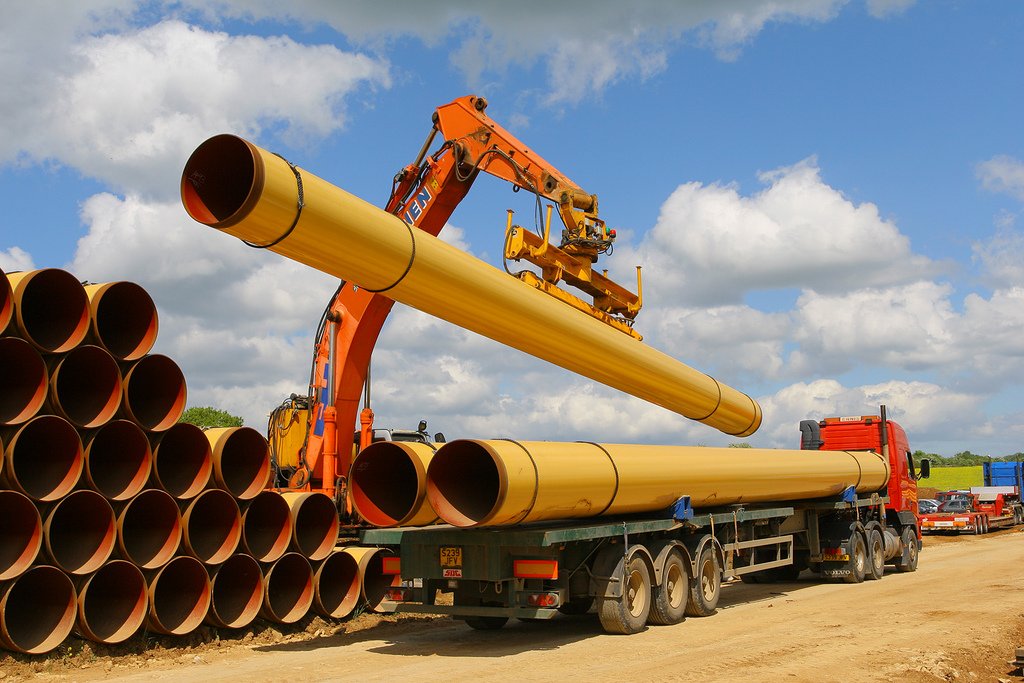
Inspecting wall thickness and weld seam integrity is something that counting the number of pieces can never reveal.
Step-by-Step Checklist
- Before unloading: Match the invoice and bill of lading in terms of diameter, thickness, grade, type (seamless/welded), and number of pieces.
- Check wall thickness: Using calipers, measure the thickness at both ends and the middle of several different pieces in the shipment.
- Inspect the weld seam: For welded pipe, visually inspect the uniformity of the seam along the length of the piece and look for cracks or cavities.
- Check length: Measure the actual length of several pieces with a tape measure and compare it with the standard length stated on the invoice.
- Check total weight: Calculate the theoretical weight of the shipment using the pipe-weight formula and compare it with the weighbridge weight.
- In case of discrepancy: Take photos before settlement and contact the seller.
Visual Signs That Should Not Be Ignored
Apart from precise measurements, several visual signs can also point you toward a potential problem sooner.
| Sign | What It Indicates | Appropriate Action |
|---|---|---|
| Ovality at the end of a piece | Improper pressure or impact during transportation | Measure the diameter in two perpendicular directions to confirm roundness |
| Surface rust | Prolonged storage in a damp warehouse | Check the depth of the rust; surface rust is acceptable, deep rust is not |
| Unevenness or a bulge along the seam | Poor welding quality in welded pipe | Set that piece aside and inspect the rest of the shipment more thoroughly |
| Color difference between pieces | Possible mixing of the shipment from several sources or different production times | Ask the seller about the uniformity of the shipment’s origin |
The Point Most Often Forgotten When Receiving Pipe
Many people check only the number and diameter of the pieces and overlook wall thickness because this figure cannot be seen by looking at it. But this is precisely the figure that determines both the actual weight and the pipe’s tolerable operating pressure; therefore, it should always be among the first checks, not the last.
Frequently Asked Questions
مهمترین چک هنگام تحویل لوله چیست؟
اندازهگیری ضخامت جدار با کولیس در چند نقطه از چند شاخهٔ مختلف بار؛ چون کمضخامتی جدار رایجترین و پنهانترین تقلب در لوله است.
درز جوش لوله درزدار را چطور بازرسی کنیم؟
از نظر یکنواختی و نبود ترک یا حفره در طول درز جوش، بهخصوص در نقاط اتصال، چشمی بررسی کنید. درز نامنظم یا ضعیف میتواند نشانهٔ کیفیت پایین تولید باشد.
چرا طول واقعی شاخهٔ لوله را باید چک کرد؟
چون طول کوتاهتر از استاندارد، دقیقاً مثل کمضخامتی، یعنی پول کمتری از چیزی که پرداخت کردهاید تحویل گرفتهاید.
Reader comments
Be the first to share your experience with this article.