You receive a shipment of wire rod coils, and the number of coils is also correct. But when the customer opens a coil to draw it, they find that it is tangled in the middle or that its diameter is not uniform. These are the issues that cannot be detected by counting the number of coils at the time of delivery.
Why Coils Require a Different Checklist
Unlike bars, coils are supplied as a continuous, wound loop; therefore, in addition to weight and diameter, the integrity of the winding itself must also be checked. The three main points are: the weight of each coil, diameter uniformity, and winding and surface integrity.
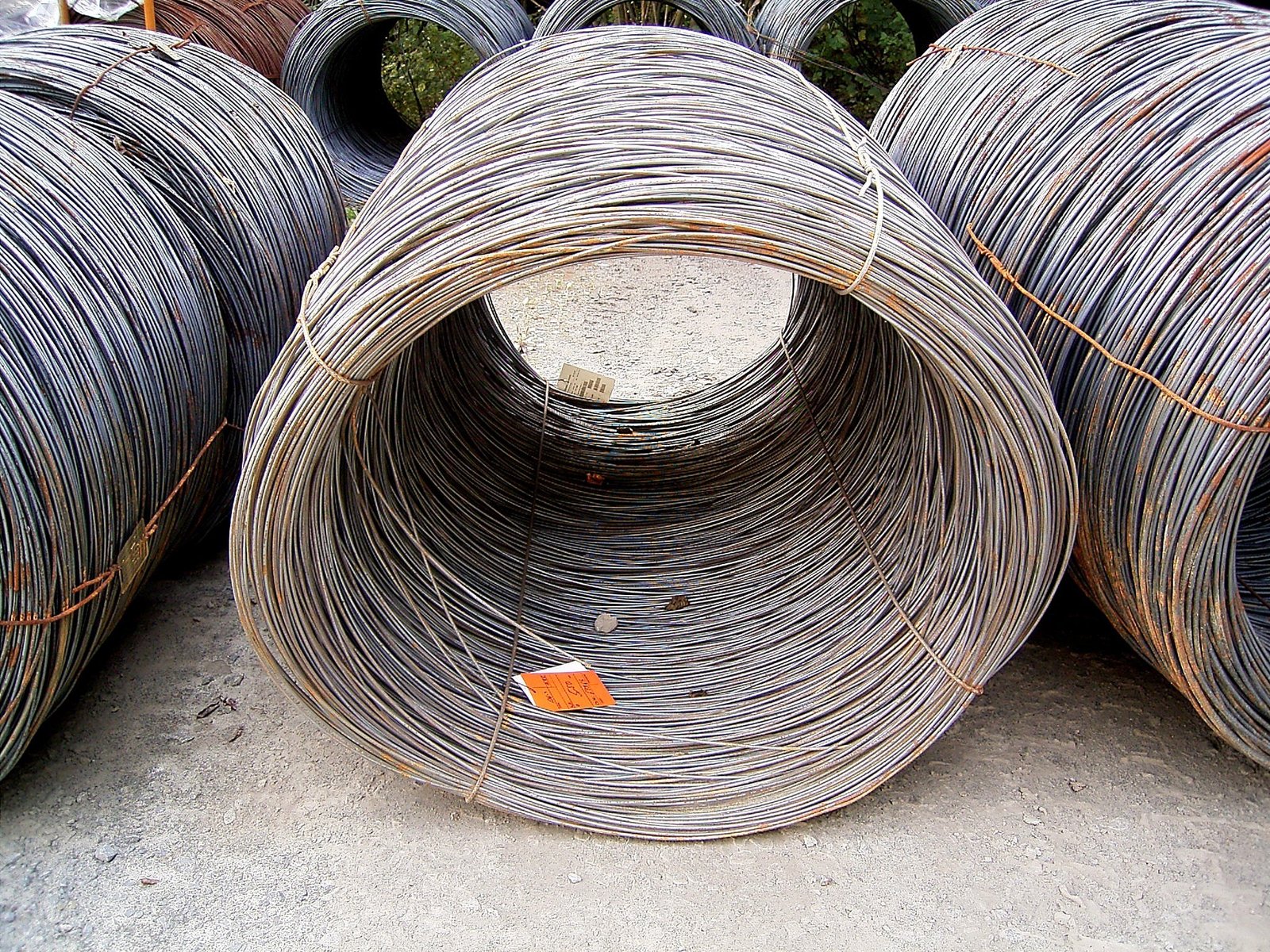
Checking diameter uniformity and winding integrity is exactly what counting the number of coils can never reveal.
Step-by-Step Checklist
- Before unloading: Check the invoice against the diameter, type (plain/ribbed/galvanized), grade, and number and weight of the coils.
- Weight control: Compare the weight of each coil on the weighbridge with the declared standard weight.
- Diameter check: Using calipers, measure the diameter at several different points on several coils.
- Winding inspection: Check the coils for tangling, interweaving, and physical damage.
- Surface and coating inspection: Check for rust and, in galvanized wire rod, the uniformity of the zinc coating.
- In case of discrepancy: Take photos before settlement and contact the seller.
Signs of a Problematic Shipment
| Sign | What it indicates | Action |
|---|
| Coil weight lower than standard | Underweight or diameter below the limit | Check the diameter and request correction |
| Diameter variation along the coil | Low rolling quality | Exercise caution for tensile applications |
| Knots and tangling | Improper winding or transport damage | Estimate waste and, if severe, request a discount |
| Deep rust or uneven coating | Poor storage or weak galvanizing | Check the depth and quality of the coating |
These few minutes of inspection are a negligible cost compared with the risk of a problematic shipment for a product that is going to undergo a demanding subsequent process.
When Is Fully Uncoiling the Coil Necessary
For coils intended for use in drawing or mesh-weaving machines, it is better to completely uncoil and draw at least one coil before making full settlement, to ensure that there are no knots or potential breaks. This is not particularly necessary for more general applications such as rebar tying wire, but for a production line where machine downtime is costly, these few minutes of inspection are highly worthwhile.

Reader comments
0 comments
No comments yet
Be the first to share your experience with this article.