You receive a batch of flanges and fittings, and they look fine at first glance. But during installation, it becomes clear that the flange bolt holes do not match the system, or that the sealing surface is scratched and leaking. These are the things that a superficial inspection does not reveal and that must be checked before settlement and installation.
Why Inspecting These Components Requires Care
Flanges and fittings are the joints of a pressurized system; any small defect in them becomes significant under pressure. The three main inspection areas are matching the class and bolt-hole pattern, the wall thickness of fittings, and the condition of the flange sealing surface.
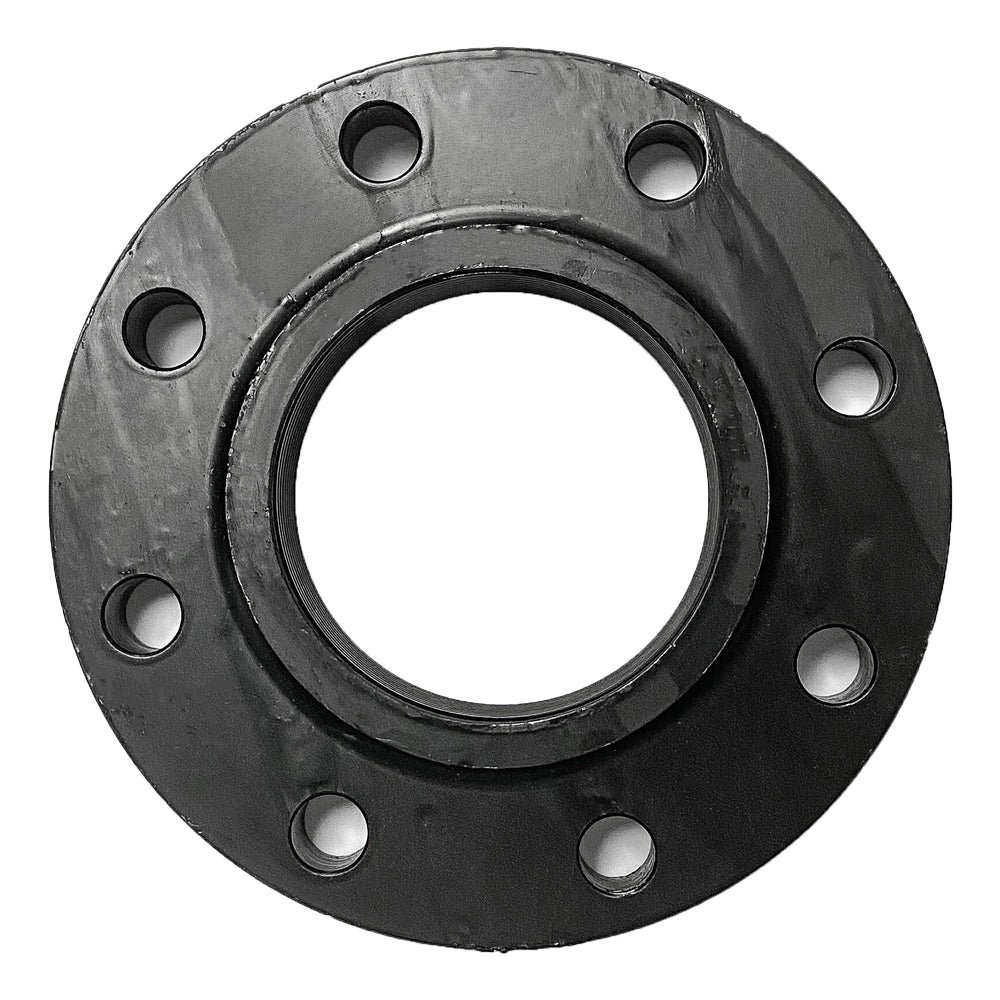
Matching the bolt-hole pattern and checking the condition of the sealing surface are exactly the things that a superficial inspection does not reveal.
Step-by-Step Checklist
- Specification matching: Compare the class, size, material, and standard marked on the stamp with the order.
- Bolt-hole inspection: Check the number, diameter, and spacing of the holes against the class and destination system.
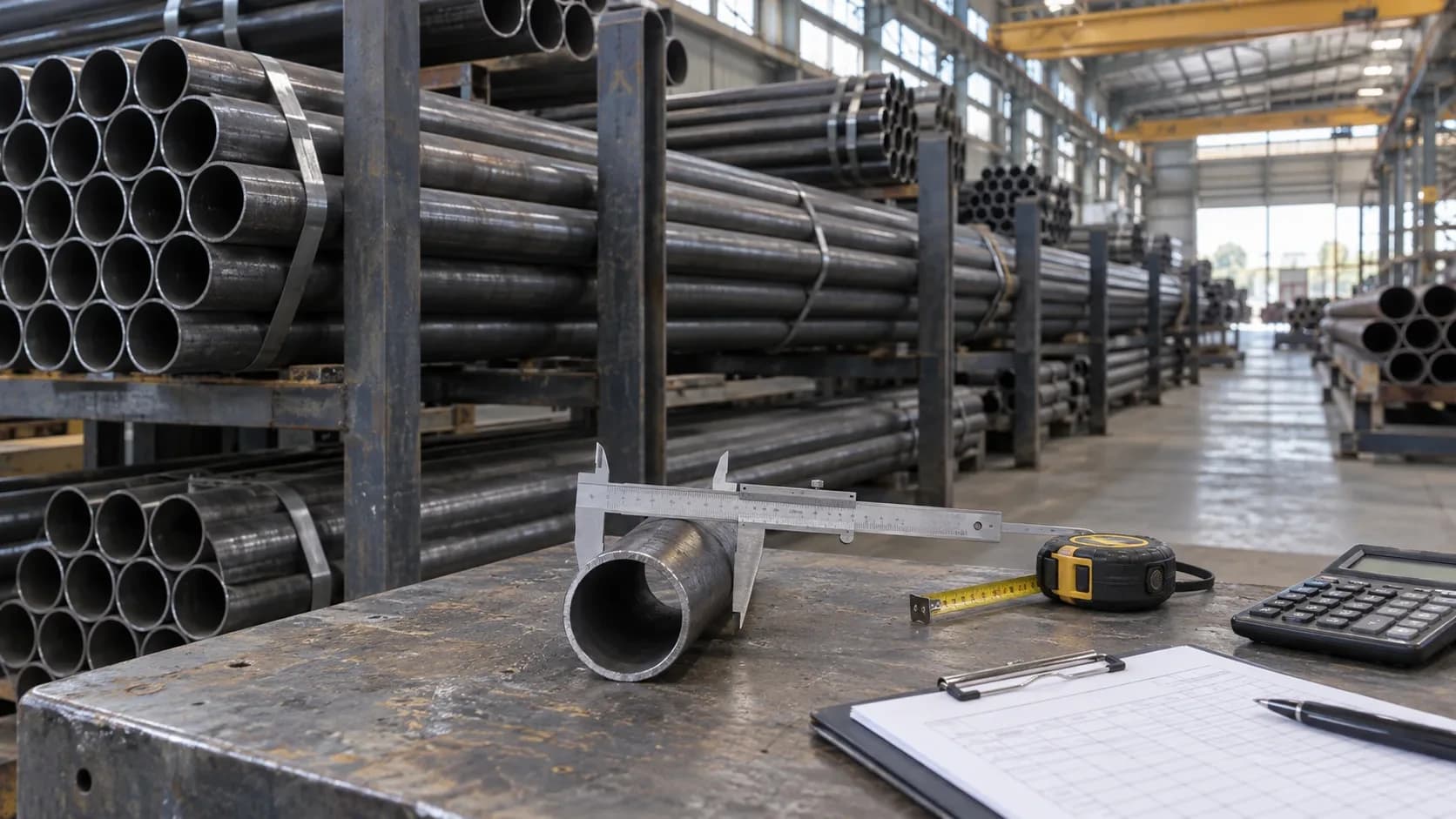
- Fitting thickness: Measure the wall thickness of the elbow, tee, and reducer and compare it with the standard.
- Sealing surface: Inspect the flange surface for lines, scratches, and deep rust that could cause leakage.
- Certificates: For high-class and project-specific items, request the material analysis certificate and documentation.
- In case of discrepancy: Take photos before settlement and contact the seller.
Signs of a Problematic Batch
| Sign | What it indicates | Action |
|---|
| Mismatched hole pattern | Incorrect class or standard | Do not accept until the discrepancy is resolved |
| Thin fitting wall | Low quality or undersizing | Measure and demand correction |
| Lines and rust on the sealing surface | Risk of joint leakage | Reject for critical sealing applications |
| Stamp inconsistent with the order | Incorrect material or class | Stop settlement |
This inspection is essential before final delivery for components that form the joints of a pressurized system and are costly to replace after installation.
An Additional Note About the Gasket
Even sound flanges and fittings may leak without a gasket suitable for the system’s pressure and temperature. Consider the gasket part of the same inspection, rather than a separate minor component to be addressed later.

Reader comments
0 comments
No comments yet
Be the first to share your experience with this article.