You receive an industrial valve, and its appearance is neat. But after installation, it turns out that the stem jams or the seal material is incompatible with the fluid and causes leakage. These are the issues that cannot be detected through a superficial inspection and must be checked before installation.
Why Inspecting a Valve Differs from Inspecting Raw Material
A valve is a mechanical component with moving parts and seals, not a simple piece of metal. Therefore, its inspection has several dimensions: matching the specifications with the order, checking the mechanism, checking the body, and verifying the seal's compatibility with the fluid. Neglecting any of these can turn into a serious problem after installation, when replacement is already costly.
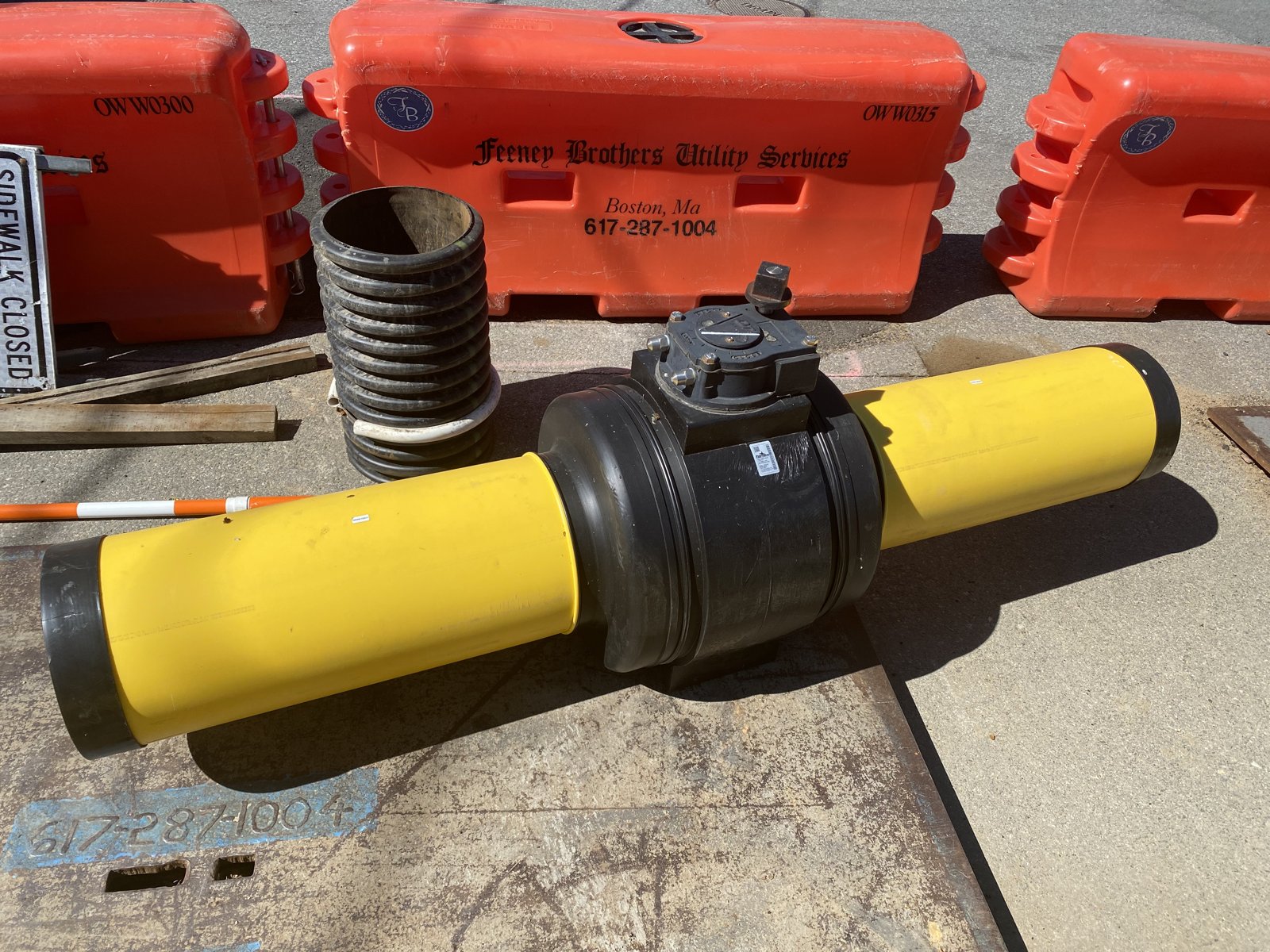
Testing the stem's performance and checking the body's integrity are precisely what a superficial look at the valve does not reveal.
Step-by-Step Checklist
- Marking match: Compare the body material, pressure class, size, and standard marked on the body with the order.
- Performance test: Fully open and close the stem and mechanism several times to ensure smooth movement without jamming.
- Body integrity: Inspect for cavities, cracks, porosity, and casting irregularities.
- Seal compatibility: Match the gasket and seal material with the type of fluid and service temperature.
- Certificates and testing: For high-class and project valves, request the analysis certificate and pressure test certificate.
- In case of discrepancy: Take photos before settlement and contact the seller.
Signs of a Defective Valve
| Sign | What it indicates | Action |
|---|
| Stem jamming or looseness | Internal defect or poor assembly | Reject the valve; request correction |
| Cavity or crack in the body | Poor-quality casting | Risk of leakage under pressure; do not accept |
| Marking inconsistent with the order | Incorrect material or class | Stop settlement until the discrepancy is resolved |
| Seal unsuitable for the fluid | Short service life and premature leakage | Request a seal compatible with the fluid |
This inspection, which takes a few minutes, is the most essential task before final delivery for a component whose replacement after installation is costly and sometimes dangerous.

Reader comments
0 comments
No comments yet
Be the first to share your experience with this article.