Two valves are in front of you that look almost identical, and their connections also appear to be the same. But one is Class ۱۵۰ and the other is Class ۳۰۰, and this numerical difference marks the boundary between a safe system and a pressurized disaster. Pressure class is the most important specification that must not be confused in an industrial valve.
What Is Pressure Class
Pressure class is a standard numerical designation that determines the maximum working pressure a valve can withstand at a specific temperature. Common classes are ۱۵۰, ۳۰۰, ۶۰۰, ۹۰۰, ۱۵۰۰, and ۲۵۰۰. The higher the class, the thicker and more resistant the body, and the heavier and more expensive the valve becomes, allowing it to withstand greater pressure.
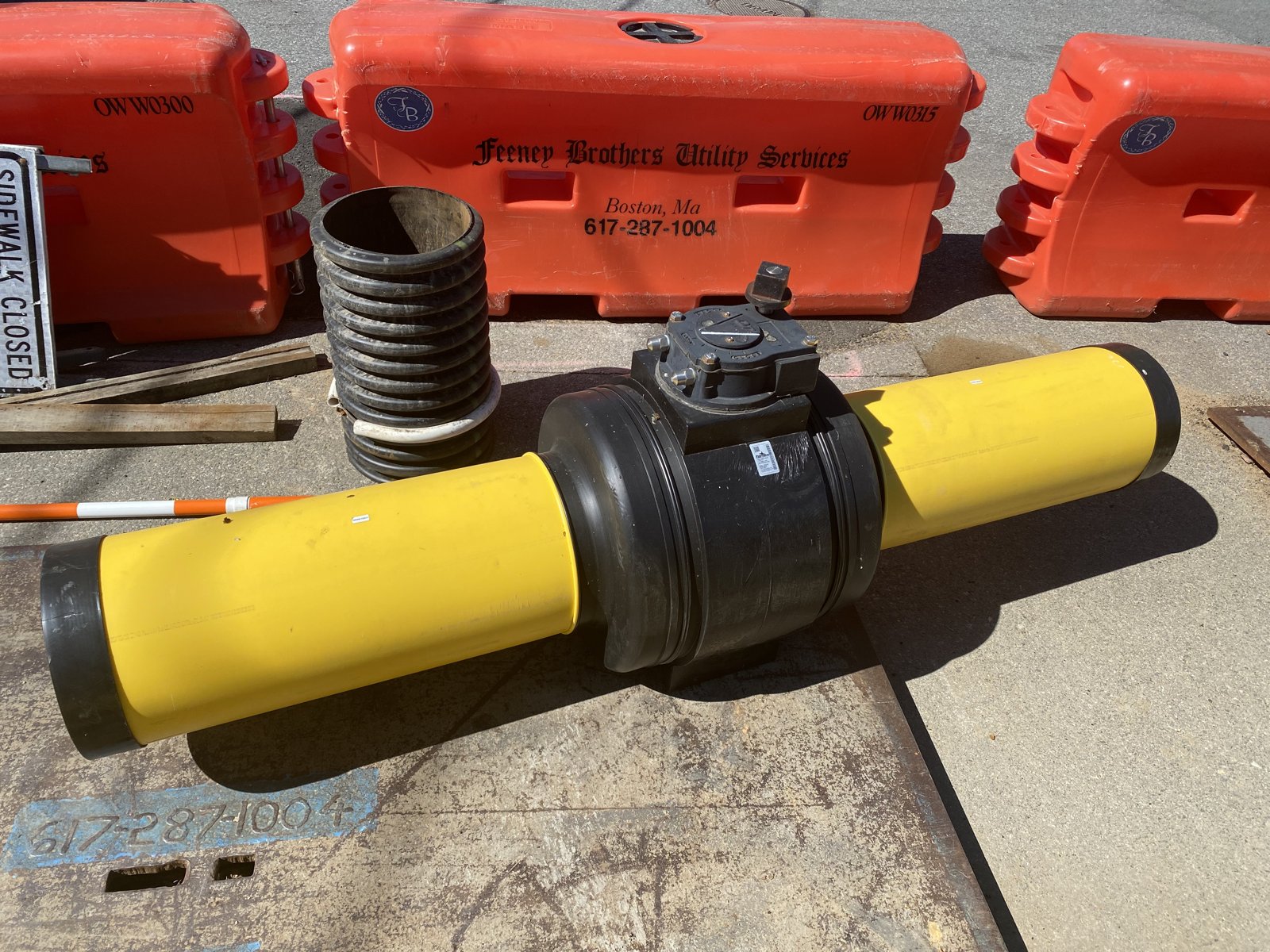
The valve’s pressure class determines the pressure it can withstand; confusing it poses a serious safety risk.
Why Confusing the Class Is Dangerous
The most dangerous mistake is installing a lower-class valve (for example, ۱۵۰) in a system with higher pressure (Class ۳۰۰). The appearance and even some connections may look similar, but a Class ۱۵۰ valve was not designed for that pressure and may leak or burst. Therefore, the valve class must be precisely matched with the pressure class of the entire system and the connected flanges.
| Class | Pressure capacity | Sample application |
|---|
| ۱۵۰ | Lower | Water and general low-pressure fluids |
| ۳۰۰ | Medium | Industrial lines with medium pressure |
| ۶۰۰ and higher | High | Oil, gas, steam, and high-pressure applications |
Your Role in Sales
When a customer asks for a valve, be sure to ask about the pressure class of their system and make sure the valve you sell is the same class as their pipe and flange. Selling a valve with an unsuitable class is not merely a business mistake; it is a safety risk whose consequences may also extend to you.
Asking about the pressure class, just like asking about the size, should be a fixed habit in every industrial valve sale.
A Small Point That Becomes Significant
On the body of every standard valve, the pressure class is usually embossed along with the standard and material. Make it a habit to always read this marking before installation, even for valves you are sure have the correct class; this one-second check is the least expensive insurance possible against a costly mistake.

Reader comments
0 comments
No comments yet
Be the first to share your experience with this article.