You have two flanges in front of you, both with the same nominal size, but one is Class ۱۵۰ and the other is ۳۰۰. Their difference is not limited to thickness; even the number and arrangement of their bolt holes are different. This makes flange class a specification that must never be confused in buying and selling.
What Flange Class Determines
According to the ASME B16.5 standard, flange class simultaneously determines several things: the maximum working pressure at a specific temperature, flange thickness, and, most importantly for compatibility, the number, diameter, and spacing of the bolt holes. Common classes are ۱۵۰, ۳۰۰, ۶۰۰, and higher.
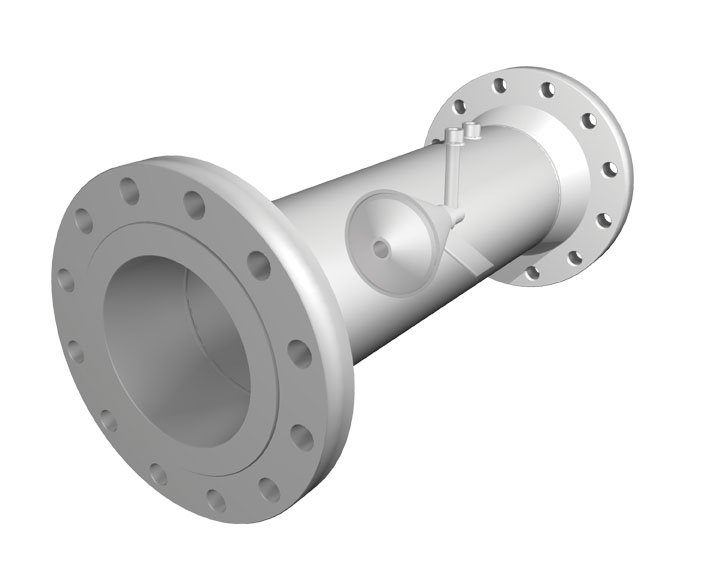
Flange class determines both the allowable pressure and the bolt-hole pattern; this is why the classes do not match one another.
Why Confusing Classes Can Be Costly
Suppose you install a Class ۱۵۰ flange instead of ۳۰۰ in a high-pressure system. First, it may not fit the mating flange at all because the hole pattern is different. Second, if it is forcibly connected, it was not designed for the system’s working pressure and may leak or fail under pressure. This is a costly and dangerous error, not a minor difference.
| Class | Pressure capacity | Bolt-hole feature |
|---|
| ۱۵۰ | Lower | Fewer/smaller holes in the same size |
| ۳۰۰ | Medium | More/larger holes, thicker |
| ۶۰۰ and higher | High | Thicker and heavier for high pressure |
Your Role in Sales
When a customer asks for a flange, be sure to ask for the class of their system and make sure the flange, pipe, valve, and mating flange are all of the same class. Selling an incorrectly classed flange, like selling a valve of the wrong class, both compromises the connection and can create a safety risk.
Asking about the class, just like asking about the size, should be a fixed habit in every flange sale.
An Additional Point About Older Flanges
When inspecting used or old flanges whose class marking has faded, measuring the outside diameter and thickness and accurately counting the bolt holes, together with comparing them against the ASME standard table, can help estimate the class. For critical connections, however, this estimate is not sufficient, and a flange with complete documentation must be used.

Reader comments
0 comments
No comments yet
Be the first to share your experience with this article.