The contractor asks: Should I buy couplers or use lap splices to connect the rebars in this column? The right answer depends on the rebar diameter, the type of structure, and the budget. A salesperson who understands this comparison can provide the right advice and build trust instead of merely selling couplers.
Two Connection Methods, Two Different Logics
A lap splice means placing two rebars alongside each other over a specified length so that forces are transferred between them through the concrete. A coupler, however, connects two rebars directly and mechanically, transferring the force completely and without intermediaries. The main difference is this: in a lap splice, especially under seismic loading, there is a possibility of slippage and incomplete force transfer; with a standard coupler, this risk is eliminated.
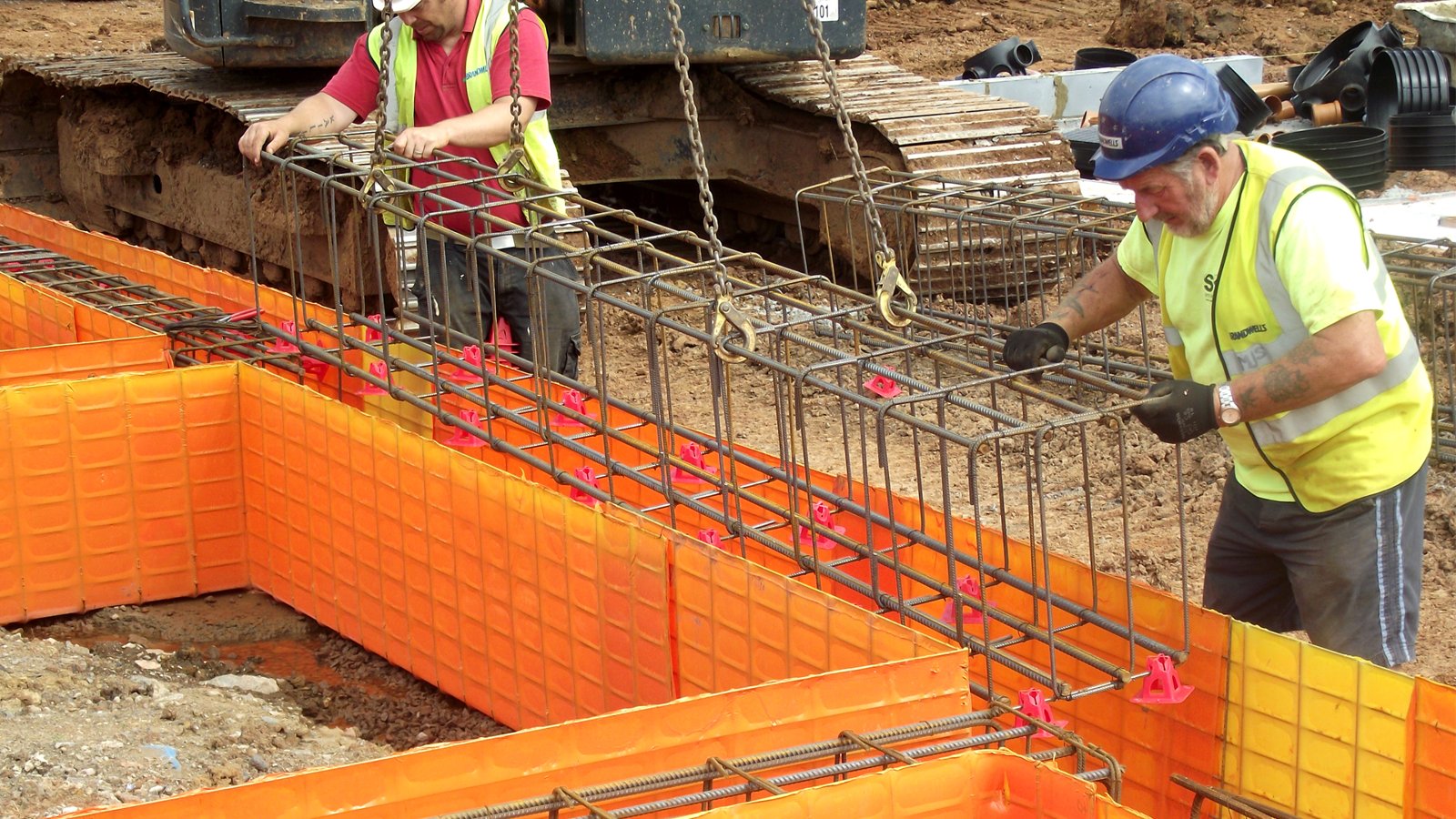
By eliminating the lap splice overlap length, a coupler both saves rebar and reduces reinforcement congestion.
Comparison Table for Sales Advice
| Criterion | Coupler | Lap splice |
|---|
| Force transfer | Complete and direct | Through concrete; risk of seismic slippage |
| Rebar consumption | No additional length | Requires overlap length |
| Reinforcement congestion | Less | More, especially with large-diameter rebar |
| Speed and prefabrication | Suitable for prefabricated work | More limited |
| Initial cost | Higher (coupler purchase) | Lower for small-diameter rebar |
When to Recommend Which
For large-diameter rebar, important seismic structures, and prefabricated work that must be assembled quickly, couplers are technically and sometimes economically justified because they eliminate additional rebar length and reinforcement congestion. For small-diameter rebar and simple projects, a lap splice may be sufficient and less expensive. Proper advice means honestly explaining this difference to the contractor, rather than selling couplers in every situation.
This same honesty in providing advice turns a contractor customer into a loyal, long-term buyer.
A Technical Point That Is Mentioned Less Often
The seismic standards for many projects, in special shear walls and special moment frames, impose specific limitations on the lap splice length of large-diameter rebar. In such cases, a coupler is sometimes not merely a preferred option but a design requirement. Being aware of this point helps you understand when this is simply a matter of cost and when it is a non-negotiable technical requirement.

Reader comments
0 comments
No comments yet
Be the first to share your experience with this article.